
Are Mushroom Supplements Hard On Your Liver?
-
Table of Contents
- Mushroom Supplements and Liver Health: A Comprehensive Analysis
- Understanding Mushroom Supplements
- The Liver’s Role in Metabolizing Supplements
- Are Mushroom Supplements Hard on the Liver?
- Case Studies and Research Findings
- Best Practices for Safe Mushroom Supplement Use
- Conclusion: Balancing Benefits and Risks
- Discover ETChem’s Protein Products
Mushroom Supplements and Liver Health: A Comprehensive Analysis
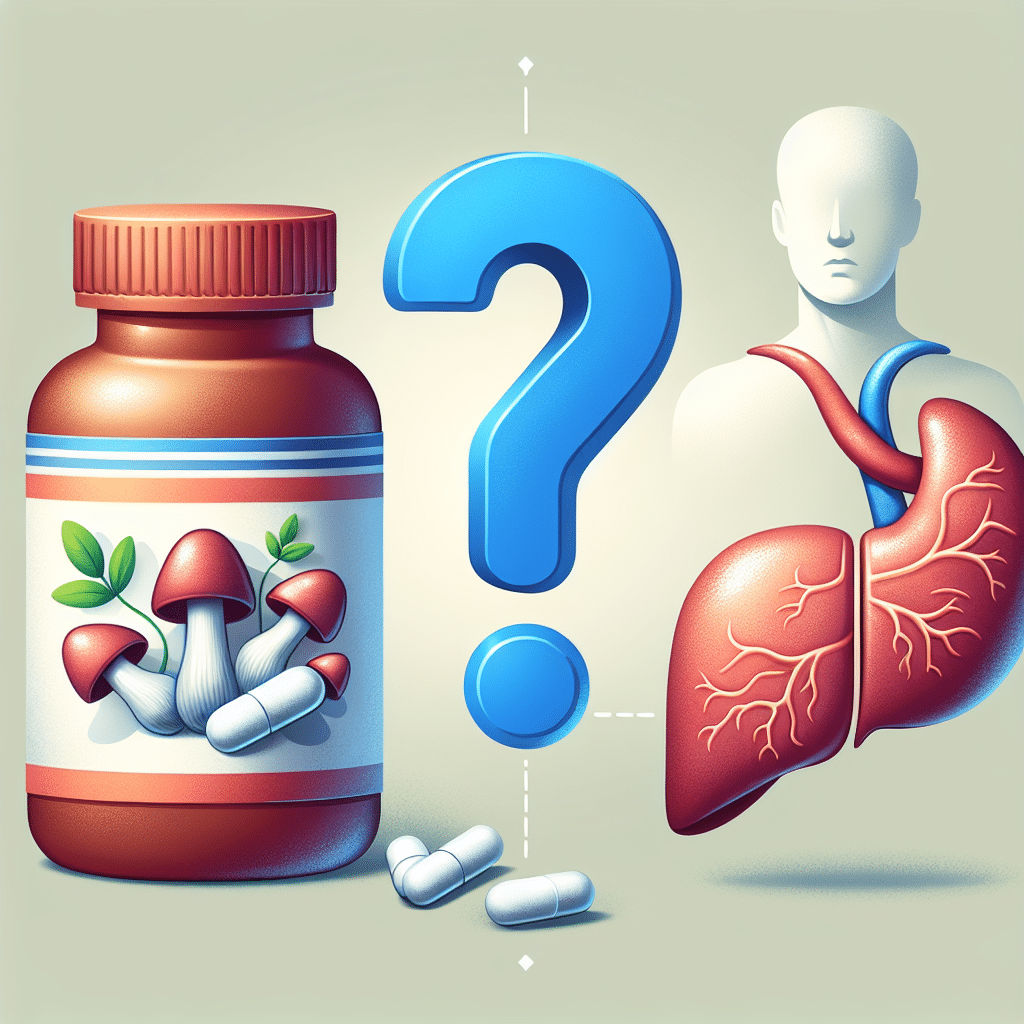
Mushrooms have been a part of traditional medicine for centuries, revered for their numerous health benefits. In recent years, mushroom supplements have gained popularity as a natural remedy for various ailments. However, with the rise in their use, concerns about their potential impact on liver health have emerged. This article delves into the current research surrounding mushroom supplements and their effects on the liver, providing valuable insights for those considering their use.
Understanding Mushroom Supplements
Mushroom supplements come in various forms, including powders, capsules, and tinctures, and are derived from different species of mushrooms, each with unique properties. Some of the most commonly used mushrooms in supplements include Reishi, Chaga, Lion’s Mane, Cordyceps, and Turkey Tail. These supplements are touted for their potential benefits, such as boosting the immune system, reducing inflammation, and improving cognitive function.
The Liver’s Role in Metabolizing Supplements
The liver is a vital organ responsible for filtering toxins, aiding digestion, and regulating metabolism. When we consume supplements, the liver works to metabolize the active compounds, ensuring they are safe for the body to use. This process can sometimes place additional stress on the liver, especially if the supplements contain harmful substances or are taken in excessive amounts.
Are Mushroom Supplements Hard on the Liver?
There is a common concern that natural supplements, including those derived from mushrooms, could be hard on the liver. To address this concern, it is essential to consider the following factors:
- Quality of Supplements: The purity and quality of mushroom supplements can vary greatly. High-quality, well-sourced supplements are less likely to contain contaminants that could harm the liver.
- Dosage: Taking supplements in moderation is crucial. High doses of mushroom supplements could potentially overload the liver’s metabolic capacity.
- Individual Health Conditions: People with pre-existing liver conditions should be particularly cautious when taking any supplements, as their livers may already be compromised.
Current research on the hepatotoxicity (liver toxicity) of mushroom supplements is limited. However, most studies suggest that when used appropriately, high-quality mushroom supplements are generally safe and do not pose significant risks to liver health. In fact, some mushrooms, like Reishi, have been shown to possess hepatoprotective properties, potentially aiding in liver function and protection against damage.
Case Studies and Research Findings
Several studies have investigated the effects of mushroom supplements on the liver. For instance, a study published in the “International Journal of Medicinal Mushrooms” found that Reishi mushroom extract had a protective effect on the liver in mice. Another study in the “Journal of Ethnopharmacology” reported that polysaccharides from Chaga mushrooms helped to prevent liver injury in rats.
Despite these positive findings, there have been rare cases of liver issues associated with mushroom supplement use. These instances are often linked to products of dubious quality or excessive consumption. Therefore, it is crucial to choose reputable brands and adhere to recommended dosages.
Best Practices for Safe Mushroom Supplement Use
To minimize the risk of liver-related issues when taking mushroom supplements, consider the following best practices:
- Opt for high-quality, certified organic mushroom supplements from reputable sources.
- Follow the recommended dosage instructions provided by the manufacturer or a healthcare professional.
- Consult with a healthcare provider before starting any new supplement regimen, especially if you have a pre-existing liver condition or are taking other medications.
- Monitor your body’s response to the supplements and report any adverse effects to your healthcare provider.
Conclusion: Balancing Benefits and Risks
Mushroom supplements offer a range of potential health benefits, but like any supplement, they should be used with caution. The current body of research suggests that when consumed in appropriate amounts and sourced from reputable suppliers, mushroom supplements are not inherently hard on the liver. However, individual factors such as health conditions, quality of the product, and dosage must be considered to ensure safe use.
As with any dietary supplement, it is essential to conduct thorough research, consult healthcare professionals, and listen to your body’s signals. By doing so, you can enjoy the benefits of mushroom supplements while minimizing any potential risks to your liver health.
Discover ETChem’s Protein Products
If you’re interested in enhancing your health regimen with quality protein products, consider exploring ETChem’s offerings. ETChem is a reputable manufacturer and supplier known for its high-quality collagen products. Their range includes various types of collagen, such as marine, fish, bovine, and chicken collagen, catering to different dietary preferences and needs.
ETChem’s products are characterized by their neutral taste and instant solubility, making them an excellent addition to your diet. Whether you’re looking to support your skin health, joint function, or overall wellness, ETChem has a protein solution for you. To learn more about their products and how they can complement your health journey, contact ETChem today.
About ETChem:
ETChem, a reputable Chinese Collagen factory manufacturer and supplier, is renowned for producing, stocking, exporting, and delivering the highest quality collagens. They include marine collagen, fish collagen, bovine collagen, chicken collagen, type I collagen, type II collagen and type III collagen etc. Their offerings, characterized by a neutral taste, instant solubility attributes, cater to a diverse range of industries. They serve nutraceutical, pharmaceutical, cosmeceutical, veterinary, as well as food and beverage finished product distributors, traders, and manufacturers across Europe, USA, Canada, Australia, Thailand, Japan, Korea, Brazil, and Chile, among others.
ETChem specialization includes exporting and delivering tailor-made collagen powder and finished collagen nutritional supplements. Their extensive product range covers sectors like Food and Beverage, Sports Nutrition, Weight Management, Dietary Supplements, Health and Wellness Products, ensuring comprehensive solutions to meet all your protein needs.
As a trusted company by leading global food and beverage brands and Fortune 500 companies, ETChem reinforces China’s reputation in the global arena. For more information or to sample their products, please contact them and email karen(at)et-chem.com today.


