Berberine Hydrochloride Extraction: Process
-
Table of Contents
- Berberine Hydrochloride Extraction: A Detailed Process Guide
- Understanding Berberine Hydrochloride
- The Extraction Process of Berberine Hydrochloride
- Plant Material Preparation
- Extraction Methodologies
- Solvent Removal and Purification
- Quality Control and Standardization
- Case Studies and Examples
- Statistics and Market Trends
- Conclusion
- Discover ETchem’s Protein Products
Berberine Hydrochloride Extraction: A Detailed Process Guide
Berberine hydrochloride, commonly known as berberine HCl, is an alkaloid found in various plants such as goldenseal, barberry, Oregon grape, and Phellodendron amurense. It has garnered significant attention due to its potential therapeutic effects, including anti-inflammatory, antimicrobial, and anti-diabetic properties. The extraction of berberine hydrochloride is a complex process that involves several steps to ensure the purity and efficacy of the final product. This article delves into the extraction process of berberine hydrochloride, providing valuable insights into the methodologies and technologies employed.
Understanding Berberine Hydrochloride
Before we explore the extraction process, it’s essential to understand what berberine hydrochloride is and why it’s so important. Berberine HCl is a quaternary ammonium salt from the protoberberine group of benzylisoquinoline alkaloids. It has been used for centuries in traditional Chinese and Ayurvedic medicine. Recent studies have shown that berberine HCl can be beneficial in treating various conditions, such as gastrointestinal infections, diabetes, and heart disease.
The Extraction Process of Berberine Hydrochloride
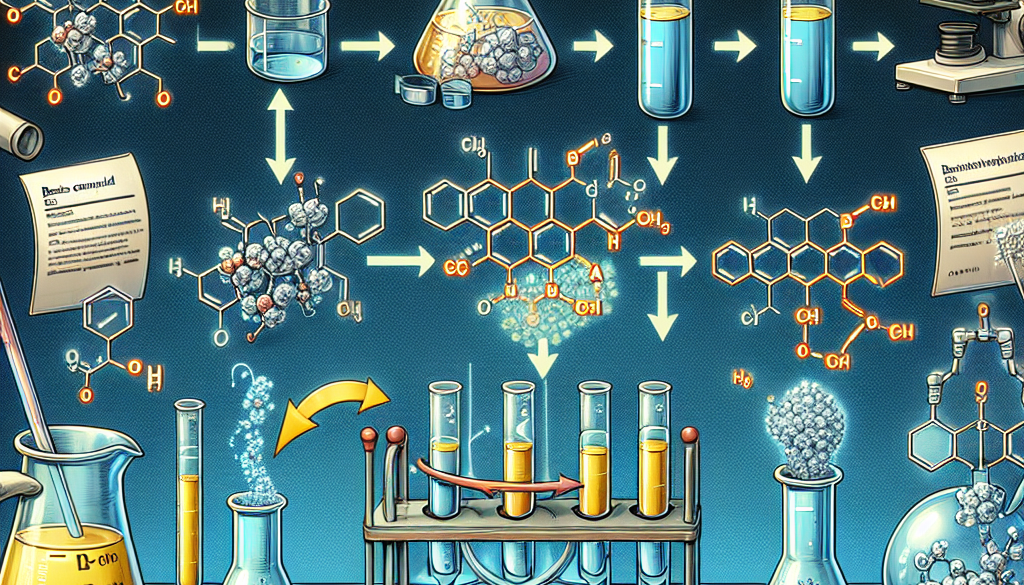
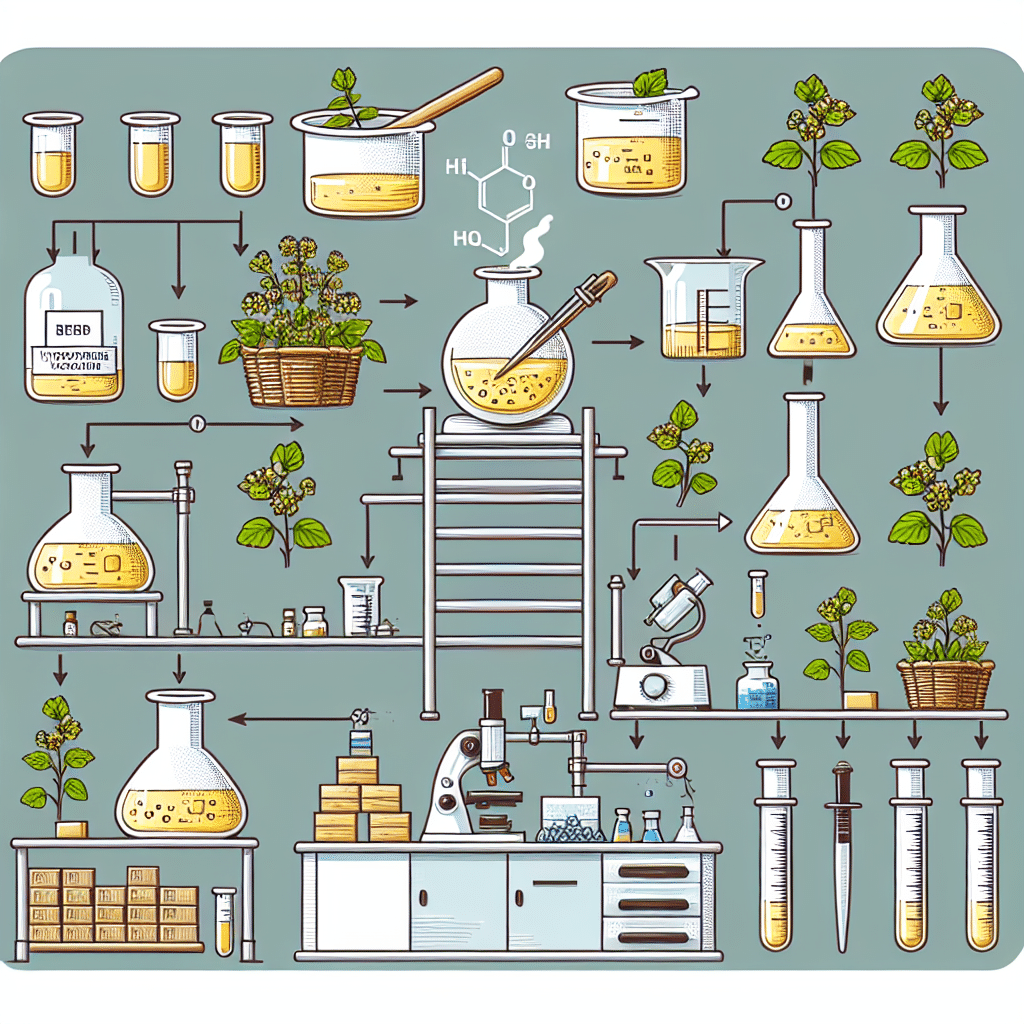
The extraction of berberine hydrochloride from plant sources is a multi-step process that can vary depending on the specific methods and technologies used. Here is a general overview of the steps involved:
Plant Material Preparation
- Selection of Plant Source: The first step is to select a plant source rich in berberine. Common sources include the roots, rhizomes, and bark of plants like Coptis chinensis (Chinese goldthread) and Hydrastis canadensis (goldenseal).
- Cleaning and Drying: The plant material is thoroughly cleaned to remove any soil or impurities. It is then dried to reduce moisture content, which can affect the efficiency of the extraction process.
- Grinding: The dried plant material is ground into a fine powder to increase the surface area, facilitating the extraction of berberine HCl.
Extraction Methodologies
- Soxhlet Extraction: This traditional method involves repeatedly washing the plant material with a solvent, usually ethanol or methanol, to dissolve the alkaloid compounds.
- Ultrasonic-Assisted Extraction: Ultrasonic waves are used to disrupt the cell walls of the plant material, improving the release and solubility of berberine in the solvent.
- Supercritical Fluid Extraction: This modern technique uses supercritical carbon dioxide as a solvent, offering a cleaner and more environmentally friendly alternative to traditional solvents.
Solvent Removal and Purification
- Evaporation: After extraction, the solvent is evaporated under reduced pressure to obtain a crude extract rich in berberine.
- Crystallization: The crude extract is then subjected to crystallization processes to precipitate berberine hydrochloride.
- Filtration and Washing: The crystallized berberine HCl is filtered and washed with solvents to remove impurities and enhance purity.
Quality Control and Standardization
- Testing: The extracted berberine hydrochloride is tested for purity, potency, and the presence of contaminants using techniques such as high-performance liquid chromatography (HPLC).
- Standardization: The final product is standardized to ensure consistent quality and concentration of berberine HCl in each batch.
Case Studies and Examples
Several studies have demonstrated the effectiveness of different extraction methods. For instance, research comparing traditional solvent extraction to ultrasonic-assisted extraction found that the latter resulted in higher yields and purity of berberine HCl. Additionally, supercritical fluid extraction has been shown to be an efficient and eco-friendly alternative, yielding high-quality berberine with minimal solvent residues.
Statistics and Market Trends
The demand for berberine hydrochloride has been on the rise due to its therapeutic potential. The global market for berberine is expected to grow significantly, driven by increasing consumer awareness and research on its health benefits. As a result, the extraction industry is continually evolving, with technological advancements improving the efficiency and sustainability of the process.
Conclusion
The extraction of berberine hydrochloride is a sophisticated process that requires careful consideration of the plant source, extraction methodology, and purification techniques. With the growing interest in natural health products, the importance of efficient and sustainable extraction methods has never been greater. By understanding the intricacies of the extraction process, manufacturers can ensure the production of high-quality berberine HCl to meet the demands of the health and wellness industry.
Discover ETchem’s Protein Products
In addition to berberine hydrochloride, proteins play a crucial role in various industries. ETchem offers a wide range of high-quality protein products, including various types of collagen. Their products are ideal for applications in nutraceuticals, pharmaceuticals, cosmeceuticals, and the food and beverage industry. With a commitment to excellence and customer satisfaction, ETchem is your go-to source for all your protein needs.
About ETChem:
ETChem, a reputable Chinese Collagen factory manufacturer and supplier, is renowned for producing, stocking, exporting, and delivering the highest quality collagens. They include marine collagen, fish collagen, bovine collagen, chicken collagen, type I collagen, type II collagen and type III collagen etc. Their offerings, characterized by a neutral taste, instant solubility attributes, cater to a diverse range of industries. They serve nutraceutical, pharmaceutical, cosmeceutical, veterinary, as well as food and beverage finished product distributors, traders, and manufacturers across Europe, USA, Canada, Australia, Thailand, Japan, Korea, Brazil, and Chile, among others.
ETChem specialization includes exporting and delivering tailor-made collagen powder and finished collagen nutritional supplements. Their extensive product range covers sectors like Food and Beverage, Sports Nutrition, Weight Management, Dietary Supplements, Health and Wellness Products, ensuring comprehensive solutions to meet all your protein needs.
As a trusted company by leading global food and beverage brands and Fortune 500 companies, ETChem reinforces China’s reputation in the global arena. For more information or to sample their products, please contact them and email karen(at)et-chem.com today.