Berberine or Berberine Hydrochloride: Comparison
-
Table of Contents
- Berberine vs. Berberine Hydrochloride: An In-Depth Comparison
- Understanding Berberine
- What is Berberine Hydrochloride?
- Comparing Bioavailability and Absorption
- Health Benefits and Uses
- Side Effects and Considerations
- Case Studies and Research
- Choosing Between Berberine and Berberine Hydrochloride
- Conclusion: Key Takeaways
- Discover ETchem’s Protein Products
Berberine vs. Berberine Hydrochloride: An In-Depth Comparison
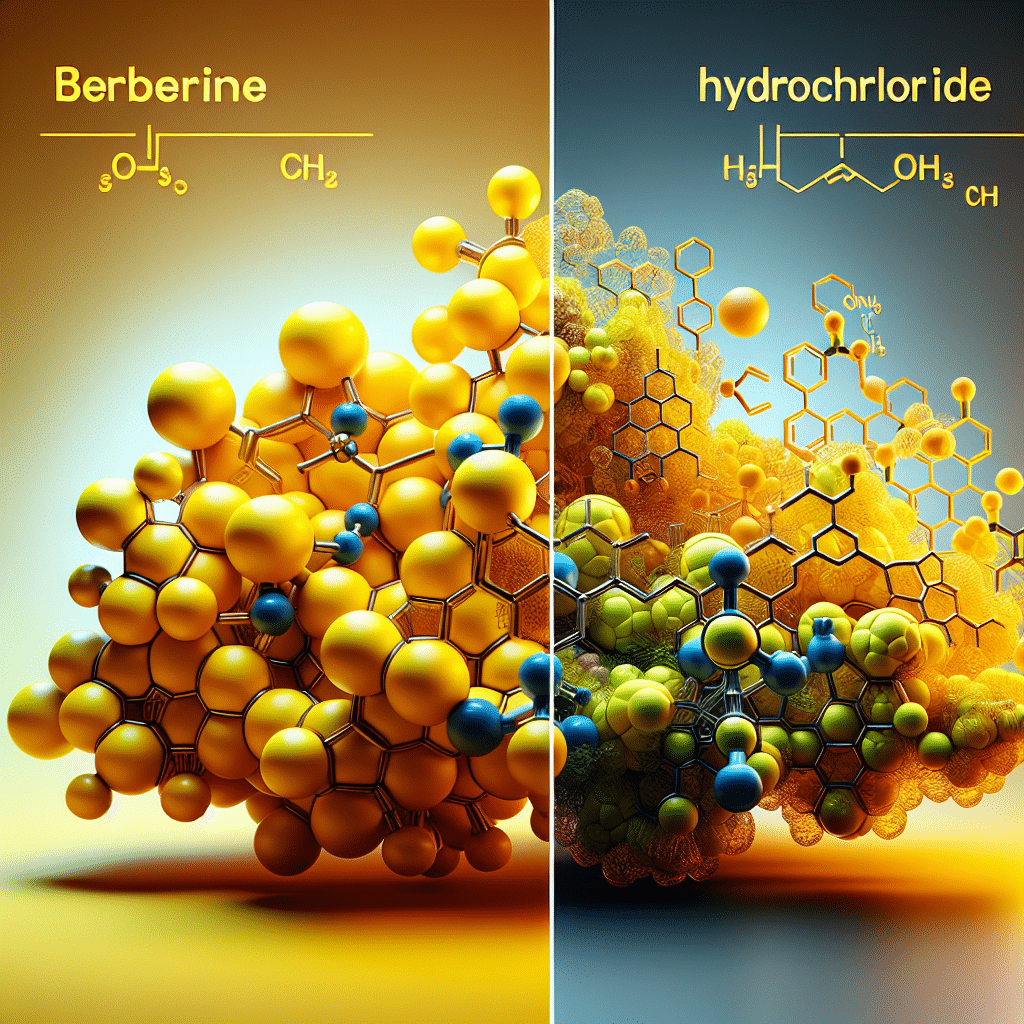
When it comes to natural supplements, berberine is a compound that has been gaining significant attention for its potential health benefits. Berberine can be found in various forms, with berberine and berberine hydrochloride being the most common. Understanding the differences between these two can help consumers make informed decisions about their health and wellness regimen. This article will delve into the properties, benefits, and uses of berberine and berberine hydrochloride, providing a comprehensive comparison.
Understanding Berberine
Berberine is an alkaloid found in several plants, including the Berberis species, goldenseal, Oregon grape, and tree turmeric. It has a long history of use in traditional Chinese and Ayurvedic medicine for its antimicrobial, anti-inflammatory, and blood glucose-lowering effects. Berberine is known for its distinctive yellow color and has been used as a dye.
What is Berberine Hydrochloride?
Berberine hydrochloride is a form of berberine that has been chemically modified to improve its solubility and bioavailability. The addition of a hydrochloride group allows berberine to be more readily absorbed by the body, potentially enhancing its effectiveness. Berberine hydrochloride is commonly used in dietary supplements and is the form most studied in clinical research.
Comparing Bioavailability and Absorption
The primary difference between berberine and berberine hydrochloride lies in their bioavailability. Bioavailability refers to the proportion of a substance that enters the circulation when introduced into the body and so is able to have an active effect. Berberine on its own has poor bioavailability due to its low solubility in water. When converted into berberine hydrochloride, its solubility and, consequently, its bioavailability are significantly increased.
Health Benefits and Uses
Both forms of berberine have been associated with a range of health benefits. Here are some of the most notable:
- Managing Diabetes: Berberine is known for its ability to lower blood sugar levels and improve insulin sensitivity, making it a popular supplement for those managing type 2 diabetes.
- Heart Health: It may help reduce cholesterol levels and blood pressure, contributing to improved cardiovascular health.
- Weight Loss: Some studies suggest that berberine can aid in weight loss by improving metabolism and reducing fat accumulation.
- Gastrointestinal Health: Its antimicrobial properties make berberine beneficial for gastrointestinal issues, including infections and disturbances in gut flora.
- Anti-inflammatory Effects: Berberine has been shown to have anti-inflammatory properties, which can be beneficial for a variety of inflammatory conditions.
While both berberine and berberine hydrochloride offer these benefits, the enhanced absorption of berberine hydrochloride may make it a more effective option for some individuals.
Side Effects and Considerations
Both forms of berberine are generally considered safe for most people when taken in appropriate doses. However, some individuals may experience gastrointestinal side effects such as cramping, diarrhea, or constipation. It is also important to note that berberine can interact with certain medications, including those for diabetes and hypertension, so it is crucial to consult with a healthcare provider before starting any new supplement.
Case Studies and Research
Several studies have highlighted the potential of berberine in treating various health conditions. For instance, a study published in the “Journal of Clinical Endocrinology & Metabolism” found that berberine improved insulin sensitivity and glucose metabolism in diabetic patients. Another study in the “European Journal of Pharmacology” reported that berberine hydrochloride reduced body weight and cholesterol levels in obese subjects.
Choosing Between Berberine and Berberine Hydrochloride
When deciding between berberine and berberine hydrochloride, it is essential to consider the intended use, desired effects, and individual health conditions. Berberine hydrochloride may be the preferred choice for those seeking maximum absorption and effectiveness, particularly for conditions like diabetes and high cholesterol.
Conclusion: Key Takeaways
In summary, berberine and berberine hydrochloride are both valuable supplements with a range of health benefits. The main difference between the two is their bioavailability, with berberine hydrochloride offering improved absorption. Consumers should weigh the potential benefits against any side effects and interactions with medications and consult with a healthcare provider to determine the best option for their needs.
Discover ETchem’s Protein Products
For those interested in enhancing their health regimen with quality protein products, ETchem offers a wide range of collagen-based supplements. Their products are sourced from various types, including marine, bovine, and chicken collagen, catering to diverse dietary preferences and health requirements. ETchem’s commitment to quality and customer satisfaction makes them a top choice for individuals and businesses seeking reliable protein solutions.
About ETChem:
ETChem, a reputable Chinese Collagen factory manufacturer and supplier, is renowned for producing, stocking, exporting, and delivering the highest quality collagens. They include marine collagen, fish collagen, bovine collagen, chicken collagen, type I collagen, type II collagen and type III collagen etc. Their offerings, characterized by a neutral taste, instant solubility attributes, cater to a diverse range of industries. They serve nutraceutical, pharmaceutical, cosmeceutical, veterinary, as well as food and beverage finished product distributors, traders, and manufacturers across Europe, USA, Canada, Australia, Thailand, Japan, Korea, Brazil, and Chile, among others.
ETChem specialization includes exporting and delivering tailor-made collagen powder and finished collagen nutritional supplements. Their extensive product range covers sectors like Food and Beverage, Sports Nutrition, Weight Management, Dietary Supplements, Health and Wellness Products, ensuring comprehensive solutions to meet all your protein needs.
As a trusted company by leading global food and beverage brands and Fortune 500 companies, ETChem reinforces China’s reputation in the global arena. For more information or to sample their products, please contact them and email karen(at)et-chem.com today.