CBD vs CBG: Which Is Better?
-
Table of Contents
- CBD vs CBG: Exploring the Benefits and Differences
- Understanding Cannabinoids: CBD and CBG
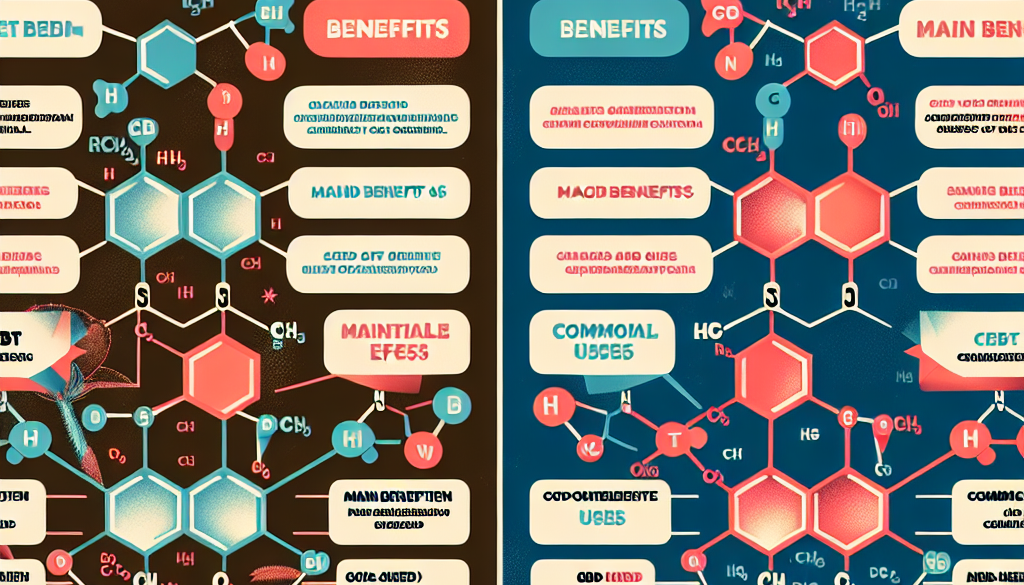
- Chemical Structure and Effects
- Therapeutic Applications
- Availability and Production
- Legal Considerations
- Side Effects and Safety
- Which Is Better: CBD or CBG?
- Conclusion: Personalized Approach to Cannabinoid Use
- Discover ETchem’s Protein Products
CBD vs CBG: Exploring the Benefits and Differences
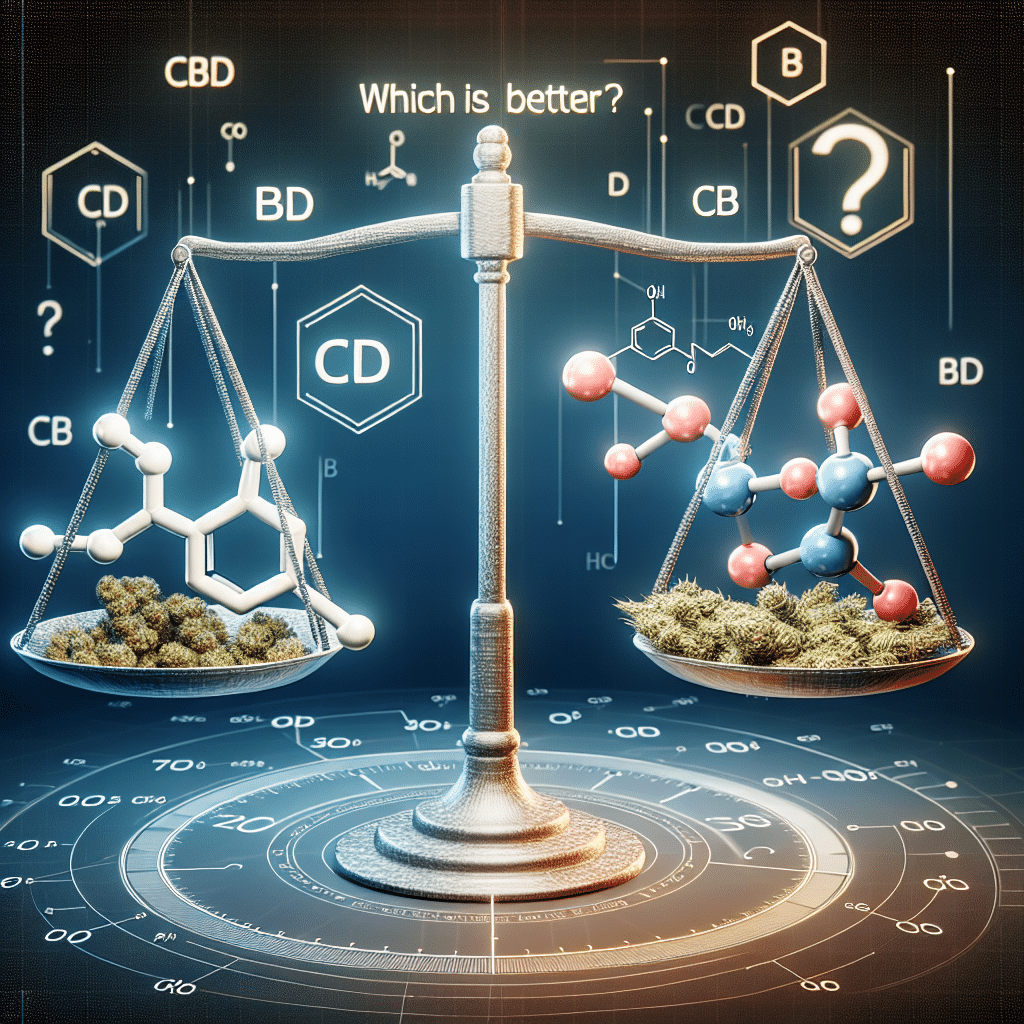
As the popularity of cannabinoids continues to rise, consumers are becoming more curious about the various compounds found in the cannabis plant. Two cannabinoids that have garnered significant attention are cannabidiol (CBD) and cannabigerol (CBG). While both offer a range of potential health benefits, they differ in their chemical structure, effects, and availability. This article delves into the world of CBD and CBG, comparing their properties and applications to determine which might be better suited for your needs.
Understanding Cannabinoids: CBD and CBG
Cannabinoids are naturally occurring compounds found in the cannabis plant. Over 100 different cannabinoids have been identified, with CBD and CBG being two of the most researched. CBD is known for its therapeutic properties and is widely used for its potential to alleviate anxiety, pain, and inflammation. CBG, often referred to as the “mother of all cannabinoids,” is the precursor from which other cannabinoids are synthesized, including CBD and tetrahydrocannabinol (THC).
Chemical Structure and Effects
Both CBD and CBG interact with the body’s endocannabinoid system (ECS), which plays a crucial role in maintaining homeostasis. However, they do so in different ways, leading to distinct effects on the body.
- CBD: CBD is known for its non-psychoactive properties, meaning it does not produce a “high.” It has been studied for its potential to reduce anxiety, improve sleep, and alleviate chronic pain.
- CBG: Like CBD, CBG is also non-psychoactive. It has been researched for its antibacterial properties and ability to reduce inflammation, as well as its potential neuroprotective effects.
Therapeutic Applications
Both CBD and CBG have shown promise in various therapeutic applications, but their effectiveness can vary depending on the condition being treated.
- CBD: CBD has been extensively studied and is used to treat a wide range of conditions, including epilepsy, anxiety disorders, and chronic pain. It is also used in skincare products for its anti-inflammatory and antioxidant properties.
- CBG: CBG is less studied than CBD but has shown potential in treating conditions such as glaucoma, inflammatory bowel disease, and certain types of cancer. Its ability to target specific physiological systems makes it a promising candidate for future research.
Availability and Production
One of the key differences between CBD and CBG is their availability. CBD is more abundant in the cannabis plant and is therefore easier to extract in large quantities. CBG, on the other hand, is present in lower concentrations, making it more challenging and expensive to produce.
Legal Considerations
The legal status of CBD and CBG can vary depending on the country and state. In many regions, CBD products derived from hemp (containing less than 0.3% THC) are legal, while CBG’s legal status is less clear due to its lower prevalence. It’s essential to check local laws before purchasing or using either cannabinoid.
Side Effects and Safety
Both CBD and CBG are generally considered safe and well-tolerated by most individuals. However, they can cause side effects in some people, such as dry mouth, dizziness, or changes in appetite. It’s important to consult with a healthcare professional before starting any new supplement regimen.
Which Is Better: CBD or CBG?
Determining which cannabinoid is “better” depends on the individual’s specific needs and health goals. CBD is more widely available and has been studied more extensively, making it a reliable choice for those seeking relief from a variety of conditions. CBG, while less common, offers unique benefits that may be more effective for certain ailments.
Conclusion: Personalized Approach to Cannabinoid Use
In conclusion, both CBD and CBG have their own set of benefits and potential applications. The choice between the two should be based on personal health objectives, the specific condition being treated, and individual response to each cannabinoid. As research continues to evolve, we may discover even more about the unique properties of these compounds and how they can be used to improve health and wellness.
Discover ETchem’s Protein Products
If you’re interested in exploring the world of supplements beyond cannabinoids, consider ETchem’s high-quality protein products. ETchem, a reputable Chinese Collagen factory manufacturer and supplier, offers a wide range of collagens, including marine, fish, bovine, chicken, and various types of collagen. Their products are characterized by a neutral taste and instant solubility, making them an excellent addition to any health and wellness routine.
About ETChem:
ETChem, a reputable Chinese Collagen factory manufacturer and supplier, is renowned for producing, stocking, exporting, and delivering the highest quality collagens. They include marine collagen, fish collagen, bovine collagen, chicken collagen, type I collagen, type II collagen and type III collagen etc. Their offerings, characterized by a neutral taste, instant solubility attributes, cater to a diverse range of industries. They serve nutraceutical, pharmaceutical, cosmeceutical, veterinary, as well as food and beverage finished product distributors, traders, and manufacturers across Europe, USA, Canada, Australia, Thailand, Japan, Korea, Brazil, and Chile, among others.
ETChem specialization includes exporting and delivering tailor-made collagen powder and finished collagen nutritional supplements. Their extensive product range covers sectors like Food and Beverage, Sports Nutrition, Weight Management, Dietary Supplements, Health and Wellness Products, ensuring comprehensive solutions to meet all your protein needs.
As a trusted company by leading global food and beverage brands and Fortune 500 companies, ETChem reinforces China’s reputation in the global arena. For more information or to sample their products, please contact them and email karen(at)et-chem.com today.