Comparing Nutrition of Cow’s Milk to Plant-Based Alternatives
-
Table of Contents
- Comparing Nutrition of Cow’s Milk to Plant-Based Alternatives
- Nutritional Breakdown of Cow’s Milk
- Overview of Plant-Based Milk Alternatives
- Comparative Analysis of Nutritional Content
- Protein Content
- Calcium and Vitamin D
- Vitamins and Minerals
- Fats and Carbohydrates
- Health Implications and Considerations
- Conclusion: Balancing Choice with Nutritional Needs
- Discover ETChem’s Protein Products
Comparing Nutrition of Cow’s Milk to Plant-Based Alternatives
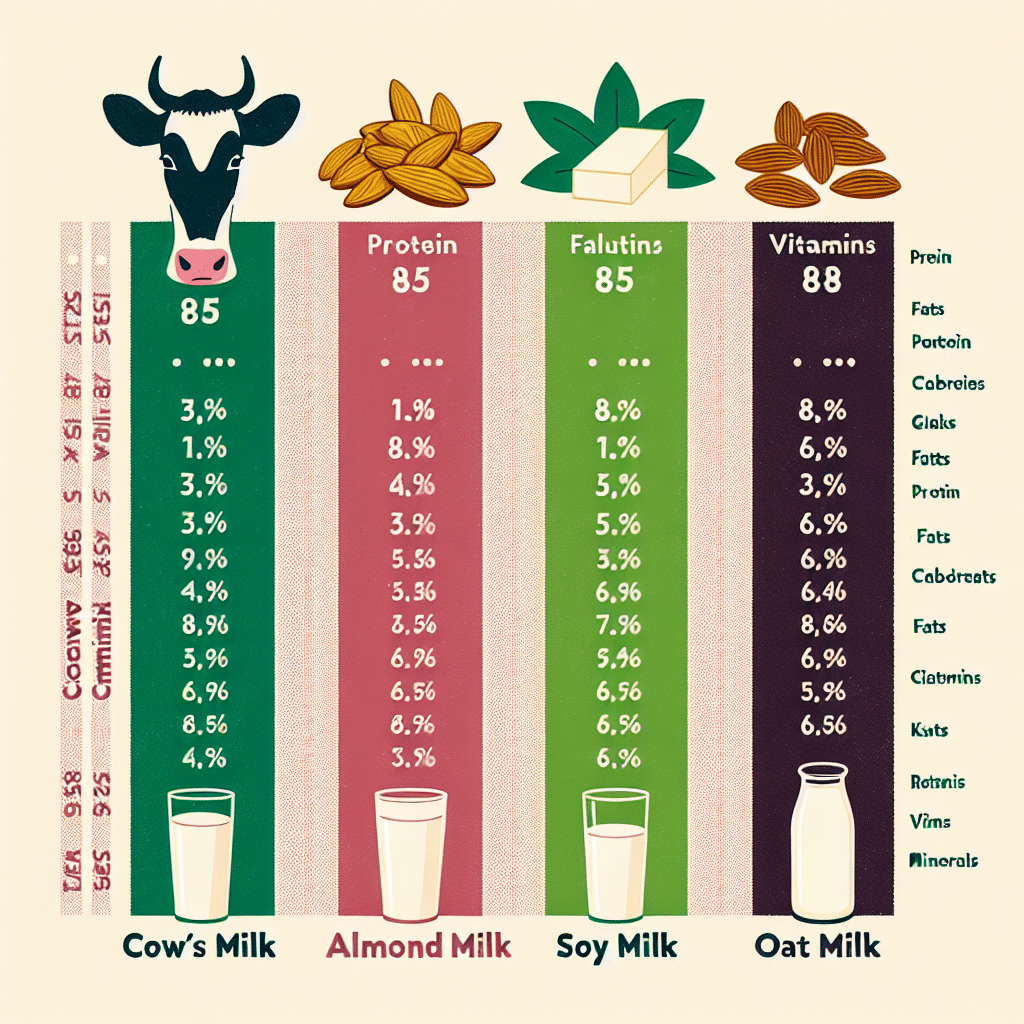
As consumers become more health-conscious and environmentally aware, the demand for plant-based milk alternatives has surged. These alternatives are often sought by those with lactose intolerance, dairy allergies, ethical concerns, or a desire for a different nutritional profile. This article delves into the nutritional comparison between cow’s milk and its plant-based counterparts, examining how each stacks up in terms of vitamins, minerals, protein content, and overall health benefits.
Nutritional Breakdown of Cow’s Milk
Cow’s milk has been a staple in many diets around the world for centuries. It is well-known for its rich content of essential nutrients, including:
- Calcium: Vital for bone health and muscle function.
- Protein: Necessary for muscle repair and growth.
- Vitamin D: Important for bone health and immune function.
- Vitamin B12: Crucial for nerve function and the production of DNA and red blood cells.
- Potassium: Helps regulate blood pressure and fluid balance.
However, cow’s milk also contains saturated fats and cholesterol, which some people may wish to limit in their diets. Additionally, it is not suitable for those with lactose intolerance or a dairy allergy.
Overview of Plant-Based Milk Alternatives
Plant-based milk alternatives are derived from various sources, including nuts, grains, and legumes. Some of the most popular options include:
- Almond milk
- Soy milk
- Oat milk
- Rice milk
- Coconut milk
Each of these alternatives offers a unique nutritional profile and may be fortified with additional vitamins and minerals to mimic the benefits of cow’s milk.
Comparative Analysis of Nutritional Content
Protein Content
Protein is a crucial component for building and repairing tissues in the body. Cow’s milk is naturally high in protein, with about 8 grams per cup. Soy milk stands out among plant-based options as it also contains a similar amount of protein. Other plant-based milks, such as almond, rice, and coconut milk, typically have lower protein content, ranging from 0 to 2 grams per cup.
Calcium and Vitamin D
Calcium and vitamin D are essential for maintaining strong bones. Cow’s milk is a natural source of calcium and is often fortified with vitamin D. Most plant-based milks are fortified with these nutrients to ensure they provide comparable benefits. However, the bioavailability of calcium from plant sources can vary, and it may not be absorbed as efficiently as the calcium from cow’s milk.
Vitamins and Minerals
While cow’s milk is a good source of B vitamins, particularly B12, some plant-based milks may lack these unless they are fortified. Almond milk, for example, is naturally high in vitamin E, an antioxidant, but may require fortification with other vitamins and minerals.
Fats and Carbohydrates
The fat content in cow’s milk varies depending on whether it is whole, 2%, 1%, or skim. Plant-based milks generally have lower saturated fat content, with the exception of coconut milk, which contains higher levels of saturated fats. In terms of carbohydrates, cow’s milk contains lactose, a natural sugar, while some plant-based milks may contain added sugars or higher natural sugars, as seen in oat and rice milk.
Health Implications and Considerations
Choosing between cow’s milk and plant-based alternatives often depends on individual dietary needs and health concerns. For those with lactose intolerance or dairy allergies, plant-based milks offer a safe and nutritious alternative. However, it’s important to read labels carefully to avoid added sugars and ensure that the product is fortified with essential nutrients.
Environmental sustainability is another factor influencing the choice of milk. Plant-based milks typically have a lower environmental footprint compared to cow’s milk, which requires more water and land and produces higher greenhouse gas emissions.
Conclusion: Balancing Choice with Nutritional Needs
In conclusion, while cow’s milk is a nutrient-rich option that has served as a dietary staple for generations, plant-based alternatives can provide similar nutritional benefits when chosen carefully. Consumers should consider their own dietary restrictions, nutritional needs, and environmental impact when selecting milk products. By comparing labels and opting for fortified versions, it is possible to enjoy the health benefits of milk, regardless of its source.
Discover ETChem’s Protein Products
If you’re looking for high-quality protein products to complement your diet, consider ETChem’s range of collagen products. Whether you prefer animal-based or are interested in exploring marine collagen options, ETChem offers a variety of proteins to suit your needs. Their products are perfect for those looking to enhance their nutrition in a convenient and effective way.
About ETChem:
ETChem, a reputable Chinese Collagen factory manufacturer and supplier, is renowned for producing, stocking, exporting, and delivering the highest quality collagens. They include marine collagen, fish collagen, bovine collagen, chicken collagen, type I collagen, type II collagen and type III collagen etc. Their offerings, characterized by a neutral taste, instant solubility attributes, cater to a diverse range of industries. They serve nutraceutical, pharmaceutical, cosmeceutical, veterinary, as well as food and beverage finished product distributors, traders, and manufacturers across Europe, USA, Canada, Australia, Thailand, Japan, Korea, Brazil, and Chile, among others.
ETChem specialization includes exporting and delivering tailor-made collagen powder and finished collagen nutritional supplements. Their extensive product range covers sectors like Food and Beverage, Sports Nutrition, Weight Management, Dietary Supplements, Health and Wellness Products, ensuring comprehensive solutions to meet all your protein needs.
As a trusted company by leading global food and beverage brands and Fortune 500 companies, ETChem reinforces China’s reputation in the global arena. For more information or to sample their products, please contact them and email karen(at)et-chem.com today.