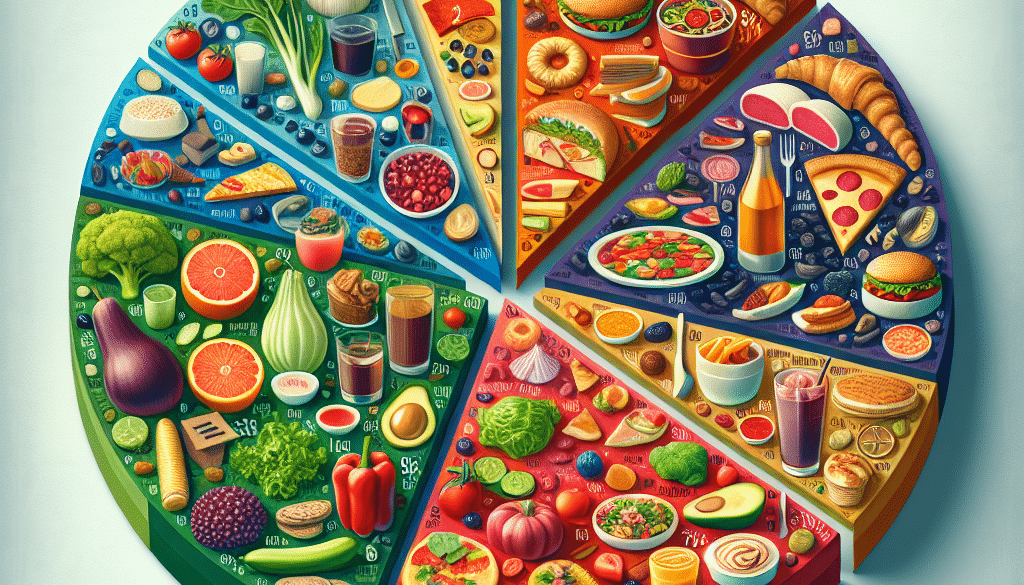
Consumer Segmentation in the Food Industry: A New Approach
-
Table of Contents
- Consumer Segmentation in the Food Industry: Strategies for Success
- Understanding Consumer Segmentation
- The Evolution of Segmentation in the Food Industry
- Lifestyle Segmentation
- Behavioral Segmentation
- Psychographic Segmentation
- Customized Nutrition and Genetic Segmentation
- Case Studies and Examples
- Statistics Supporting New Segmentation Approaches
- Conclusion: Key Takeaways for the Food Industry
- ETChem’s Protein Products: Catering to Diverse Consumer Segments
Consumer Segmentation in the Food Industry: Strategies for Success

The food industry is a dynamic and ever-evolving sector, with consumer preferences and behaviors shifting at an unprecedented pace. In this competitive landscape, understanding and implementing effective consumer segmentation has become crucial for businesses aiming to thrive. This article delves into the new approaches to consumer segmentation in the food industry, offering insights into how companies can better target their marketing efforts and product development to meet the diverse needs of their customers.
Understanding Consumer Segmentation
Consumer segmentation is the process of dividing a broad consumer market into sub-groups of consumers based on shared characteristics. The goal is to design a marketing mix that precisely matches the expectations of customers in the targeted segment. Traditional segmentation often includes demographic factors such as age, gender, income, and geographic location. However, as the market becomes more saturated, these traditional methods are no longer sufficient.
The Evolution of Segmentation in the Food Industry
In recent years, the food industry has witnessed a shift towards more nuanced and sophisticated segmentation strategies. These new approaches consider a variety of factors, including lifestyle, dietary preferences, values, and even genetic makeup. Let’s explore some of these innovative segmentation strategies:
Lifestyle Segmentation
Lifestyle segmentation involves categorizing consumers based on their interests, activities, and opinions. This approach can be particularly effective in the food industry, where lifestyle choices often influence dietary habits. For example, a growing segment of consumers prioritizes health and wellness, opting for organic, non-GMO, or plant-based products.
Behavioral Segmentation
Behavioral segmentation looks at patterns of consumer behavior, such as purchase history, brand loyalty, and usage rates. In the food industry, this might involve targeting consumers who frequently dine out, those who cook at home, or individuals who are looking for convenience in meal preparation.
Psychographic Segmentation
Psychographic segmentation goes beyond simple demographics to consider the psychological aspects of consumer behavior, such as values, beliefs, and motivations. Food companies might target segments that value sustainability and ethical production practices or those motivated by culinary exploration and trying new flavors.
Customized Nutrition and Genetic Segmentation
One of the most cutting-edge approaches in food industry segmentation is based on personalized nutrition and genetics. Companies are beginning to offer products tailored to individual nutritional needs, determined by genetic testing and analysis. This hyper-personalized approach can cater to consumers with specific dietary requirements or health goals.
Case Studies and Examples
To illustrate the effectiveness of these new segmentation strategies, let’s look at some real-world examples:
- Meal Kit Services: Companies like Blue Apron and HelloFresh have successfully targeted the segment of consumers looking for convenience and a home-cooking experience. They offer pre-portioned ingredients and recipes tailored to various dietary preferences and lifestyles.
- Plant-Based Products: Brands like Beyond Meat and Impossible Foods have tapped into the growing demand for plant-based alternatives, appealing to both vegetarians and meat-eaters interested in health and environmental sustainability.
- Functional Foods: The rise of functional foods, which offer health benefits beyond basic nutrition, caters to consumers interested in wellness and disease prevention. Examples include probiotic yogurts and fortified snacks.
Statistics Supporting New Segmentation Approaches
Recent statistics highlight the importance of these new segmentation strategies:
- A study by Nielsen found that 39% of U.S. consumers would switch from the food and beverage brands they currently buy to others that provide clearer, more accurate product information.
- According to GlobalData, 6% of global consumers consider “tailored to my needs” as a primary factor influencing their product choice in the food sector.
- The plant-based food market is expected to reach $74.2 billion by 2027, growing at a CAGR of 11.9% from 2020 to 2027, as reported by Meticulous Research.
Conclusion: Key Takeaways for the Food Industry
In conclusion, the new approaches to consumer segmentation in the food industry are essential for businesses looking to stay ahead of the curve. By understanding and implementing lifestyle, behavioral, psychographic, and customized nutrition segmentation strategies, companies can create targeted marketing campaigns and develop products that resonate with specific consumer groups. The success of meal kit services, plant-based products, and functional foods demonstrates the potential of these innovative segmentation methods.
ETChem’s Protein Products: Catering to Diverse Consumer Segments
ETChem’s range of protein products is an excellent example of how food industry companies can cater to various consumer segments. Their high-quality collagens, including marine, fish, bovine, and chicken collagen, appeal to consumers interested in health and wellness, sports nutrition, and dietary supplements. With a focus on neutral taste and instant solubility, ETChem’s offerings meet the needs of a wide array of industries and consumer preferences.
About ETChem:
ETChem, a reputable Chinese Collagen factory manufacturer and supplier, is renowned for producing, stocking, exporting, and delivering the highest quality collagens. They include marine collagen, fish collagen, bovine collagen, chicken collagen, type I collagen, type II collagen and type III collagen etc. Their offerings, characterized by a neutral taste, instant solubility attributes, cater to a diverse range of industries. They serve nutraceutical, pharmaceutical, cosmeceutical, veterinary, as well as food and beverage finished product distributors, traders, and manufacturers across Europe, USA, Canada, Australia, Thailand, Japan, Korea, Brazil, and Chile, among others.
ETChem specialization includes exporting and delivering tailor-made collagen powder and finished collagen nutritional supplements. Their extensive product range covers sectors like Food and Beverage, Sports Nutrition, Weight Management, Dietary Supplements, Health and Wellness Products, ensuring comprehensive solutions to meet all your protein needs.
As a trusted company by leading global food and beverage brands and Fortune 500 companies, ETChem reinforces China’s reputation in the global arena. For more information or to sample their products, please contact them and email karen(at)et-chem.com today.