CoQ10 Deficiency Signs: What to Watch For
-
Table of Contents
- CoQ10 Deficiency Signs: Key Symptoms to Be Aware Of
- Understanding CoQ10 and Its Importance
- Common Signs of CoQ10 Deficiency
- Factors Contributing to CoQ10 Deficiency
- Diagnosing and Treating CoQ10 Deficiency
- Case Studies and Research on CoQ10 Deficiency
- Conclusion: The Importance of Monitoring CoQ10 Levels
- Enhance Your Health with ETChem’s Protein Products
CoQ10 Deficiency Signs: Key Symptoms to Be Aware Of
Coenzyme Q10, commonly known as CoQ10, is a vital nutrient that plays a crucial role in the production of energy within our cells. It is a naturally occurring substance that functions similarly to a vitamin and is essential for the proper functioning of many organs and chemical reactions in the body. CoQ10 also serves as an antioxidant, protecting cells from damage caused by harmful molecules. Despite its importance, certain conditions, lifestyle factors, or genetic predispositions can lead to a deficiency in CoQ10. Recognizing the signs of CoQ10 deficiency is essential for maintaining optimal health and well-being.
Understanding CoQ10 and Its Importance
Before delving into the signs of CoQ10 deficiency, it’s important to understand what CoQ10 is and why it’s so important for our health. CoQ10 is synthesized within the body and is found in every cell, with particularly high concentrations in organs with high energy demands such as the heart, liver, kidneys, and muscles. It is essential for the production of adenosine triphosphate (ATP), which is the energy currency of the cell. Additionally, CoQ10’s antioxidant properties help protect cells from oxidative stress and support overall cellular health.
Common Signs of CoQ10 Deficiency
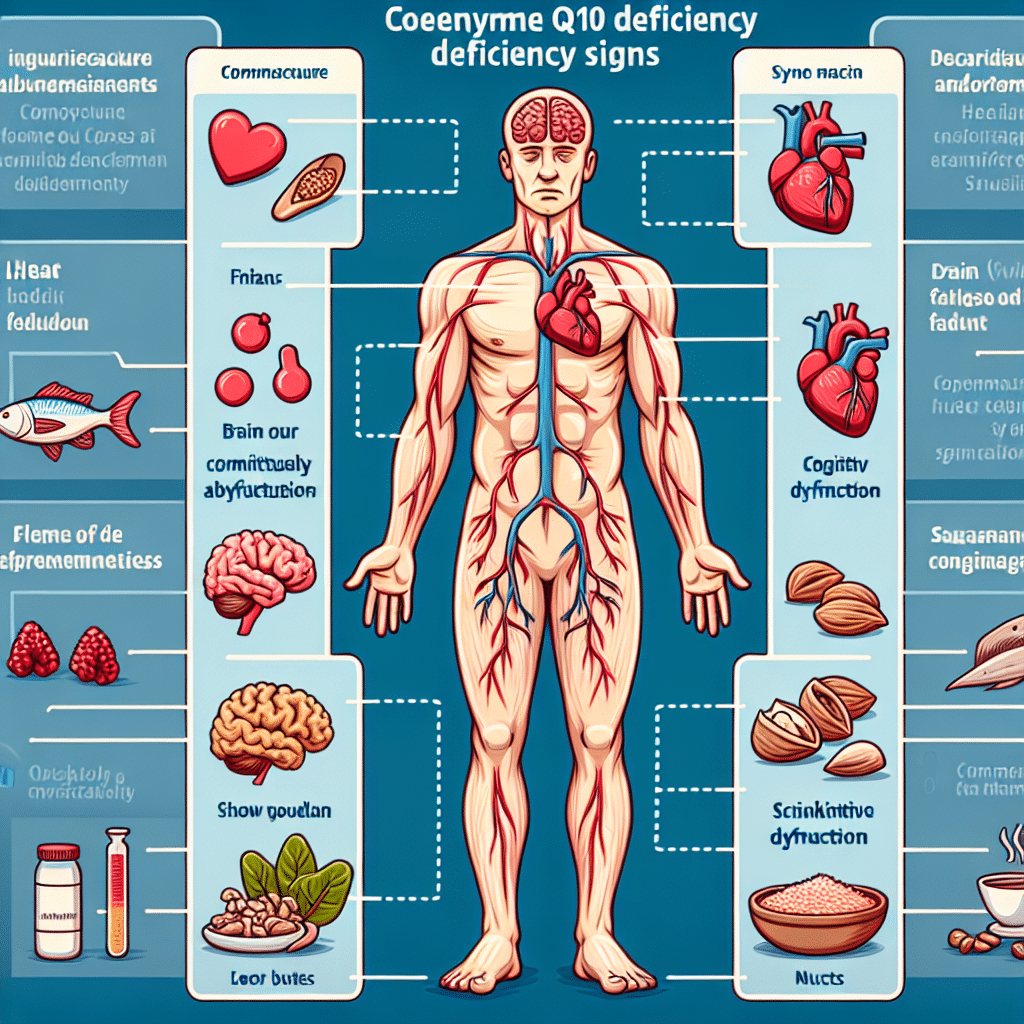
CoQ10 deficiency can manifest in various ways, and the severity of symptoms can range from mild to severe. Here are some common signs to watch for:
- Fatigue and Weakness: Since CoQ10 is crucial for energy production, a deficiency can result in feelings of fatigue and weakness, making it difficult to perform everyday activities.
- Muscle Pain and Soreness: Unexplained muscle pain and soreness, which are not caused by exercise or other known factors, may be a sign of CoQ10 deficiency.
- Difficulty with Physical Activity: Individuals with low levels of CoQ10 may find it challenging to engage in physical activity due to reduced stamina and endurance.
- Cognitive Issues: CoQ10 deficiency can affect brain function, leading to difficulties with concentration, memory, and overall cognitive performance.
- Heart Problems: Given CoQ10’s importance in heart health, a deficiency can contribute to various cardiovascular issues, including arrhythmias and heart failure.
- Increased Susceptibility to Infections: A weakened immune system, leading to a higher risk of infections, can also be a sign of inadequate CoQ10 levels.
Factors Contributing to CoQ10 Deficiency
Several factors can contribute to a deficiency in CoQ10, including:
- Age: CoQ10 production naturally decreases with age, making older adults more susceptible to deficiency.
- Genetic Disorders: Certain genetic conditions can impair the body’s ability to synthesize CoQ10.
- Medical Conditions: Diseases such as heart conditions, diabetes, and cancer have been associated with lower levels of CoQ10.
- Medications: Some medications, particularly statins used to lower cholesterol, can reduce CoQ10 levels in the body.
- Nutritional Deficiencies: A diet lacking in CoQ10-rich foods, such as organ meats, fatty fish, and whole grains, can lead to lower levels of this nutrient.
Diagnosing and Treating CoQ10 Deficiency
Diagnosing CoQ10 deficiency typically involves a blood test to measure the levels of CoQ10 in the body. If a deficiency is detected, treatment may include dietary changes to include more CoQ10-rich foods or supplementation under the guidance of a healthcare professional. It’s important to note that while CoQ10 supplements are generally well-tolerated, they may interact with certain medications, and thus, medical advice should be sought before starting any new supplement regimen.
Case Studies and Research on CoQ10 Deficiency
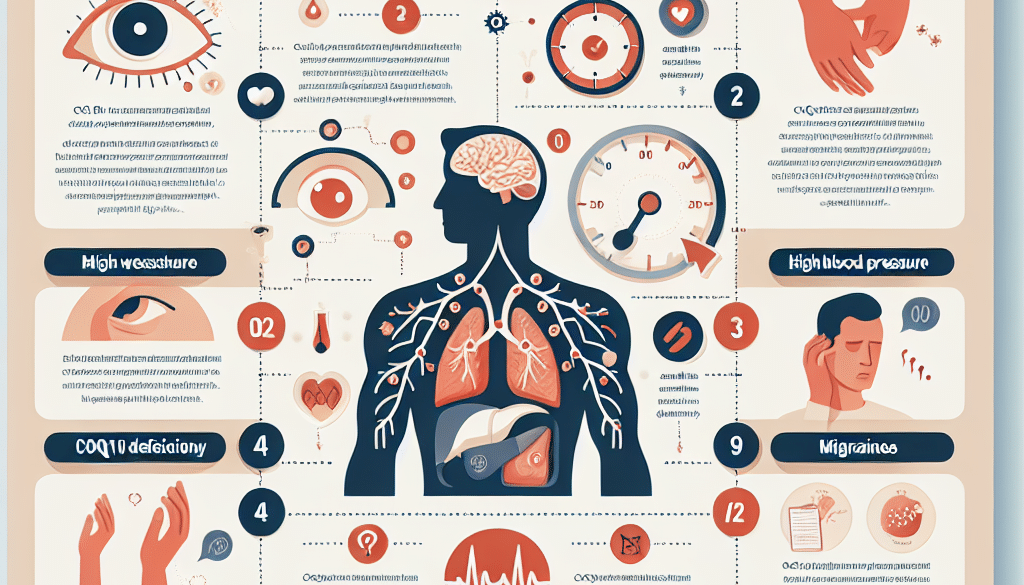
Research has highlighted the impact of CoQ10 deficiency on health. For example, a study published in the Journal of the American College of Cardiology found that CoQ10 supplementation improved symptoms and reduced major adverse cardiovascular events in patients with heart failure. Another study in the European Journal of Neurology showed that CoQ10 supplementation could reduce the frequency of migraines in individuals with low CoQ10 levels.
Conclusion: The Importance of Monitoring CoQ10 Levels
In conclusion, CoQ10 plays a vital role in our overall health, and being aware of the signs of deficiency is crucial. Fatigue, muscle pain, cognitive issues, and heart problems are all potential indicators that your CoQ10 levels may be low. Understanding the factors that contribute to deficiency and seeking appropriate treatment can help mitigate these symptoms and improve quality of life. Regular check-ups and discussions with your healthcare provider about CoQ10 can ensure that you maintain adequate levels of this essential nutrient.
Enhance Your Health with ETChem’s Protein Products
If you’re looking to support your health and potentially improve your CoQ10 levels, consider incorporating high-quality protein products into your diet. ETChem offers a range of premium collagen products that can complement your nutritional needs. Collagen, being a protein, is essential for maintaining the health of tissues and organs where CoQ10 is active. By choosing ETChem’s protein products, you’re opting for a trusted source of high-quality supplements that can contribute to your overall well-being.
About ETChem:
ETChem, a reputable Chinese Collagen factory manufacturer and supplier, is renowned for producing, stocking, exporting, and delivering the highest quality collagens. They include marine collagen, fish collagen, bovine collagen, chicken collagen, type I collagen, type II collagen and type III collagen etc. Their offerings, characterized by a neutral taste, instant solubility attributes, cater to a diverse range of industries. They serve nutraceutical, pharmaceutical, cosmeceutical, veterinary, as well as food and beverage finished product distributors, traders, and manufacturers across Europe, USA, Canada, Australia, Thailand, Japan, Korea, Brazil, and Chile, among others.
ETChem specialization includes exporting and delivering tailor-made collagen powder and finished collagen nutritional supplements. Their extensive product range covers sectors like Food and Beverage, Sports Nutrition, Weight Management, Dietary Supplements, Health and Wellness Products, ensuring comprehensive solutions to meet all your protein needs.
As a trusted company by leading global food and beverage brands and Fortune 500 companies, ETChem reinforces China’s reputation in the global arena. For more information or to sample their products, please contact them and email karen(at)et-chem.com today.