CoQ10 Hypoglycemia: Can It Cause It?
-
Table of Contents
- CoQ10 and Hypoglycemia: Understanding the Connection
- What is CoQ10?
- The Role of CoQ10 in Blood Sugar Regulation
- Research on CoQ10 and Hypoglycemia
- Case Studies and Anecdotal Evidence
- Factors That May Influence CoQ10’s Effect on Blood Sugar
- Recommendations for CoQ10 Supplementation
- Conclusion: CoQ10’s Relationship with Hypoglycemia
- Explore ETchem’s Protein Products
CoQ10 and Hypoglycemia: Understanding the Connection
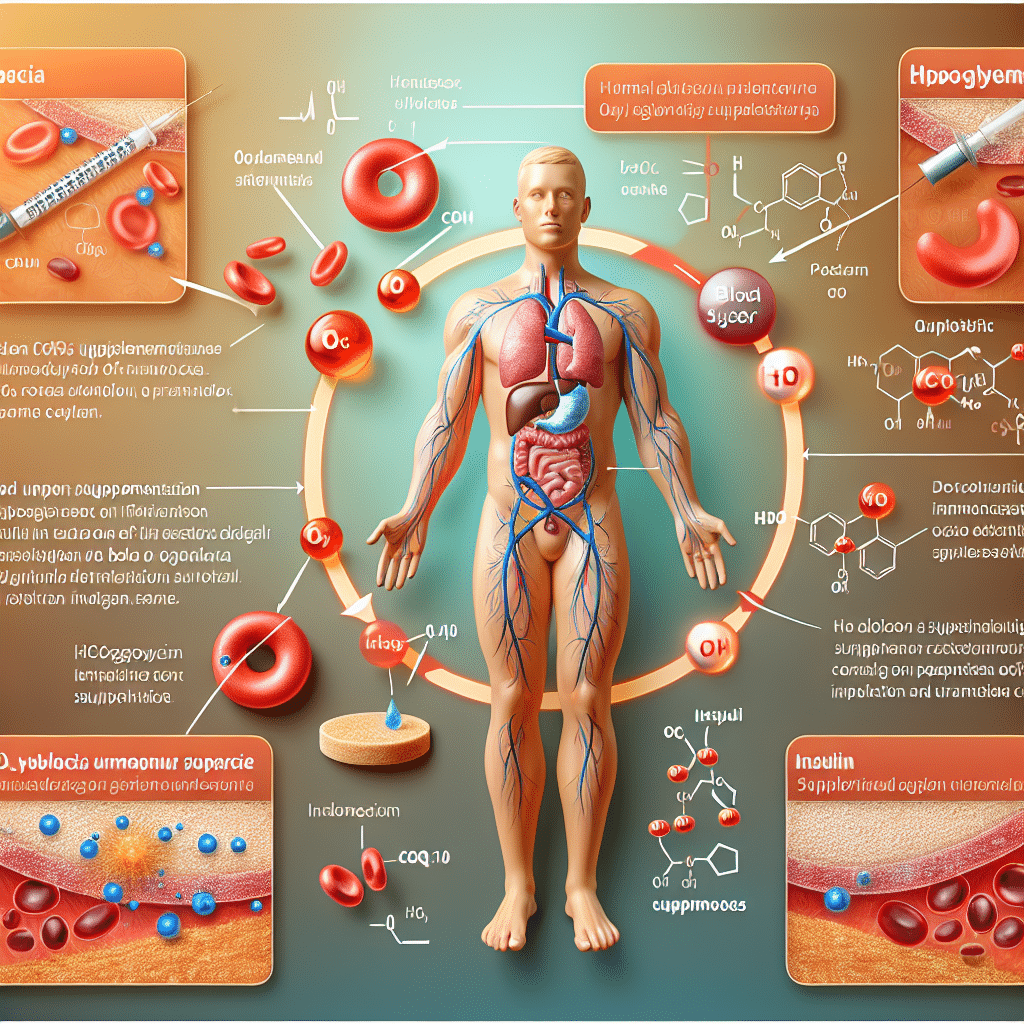
Coenzyme Q10 (CoQ10) is a naturally occurring substance that plays a crucial role in the production of energy within our cells. It is widely known for its antioxidant properties and is often used as a dietary supplement to support heart health, mitigate the effects of aging, and improve energy levels. However, there has been some debate and concern over whether CoQ10 supplementation could potentially lead to hypoglycemia, a condition characterized by abnormally low blood sugar levels. This article delves into the research surrounding CoQ10 and its potential impact on blood sugar regulation.
What is CoQ10?
CoQ10, also known as ubiquinone, is a vitamin-like compound found in every cell of the body. It is essential for the mitochondrial electron transport chain, which is responsible for adenosine triphosphate (ATP) production, the primary energy currency of the cell. CoQ10 levels are highest in organs with the greatest energy demands, such as the heart, liver, and kidneys.
The Role of CoQ10 in Blood Sugar Regulation
CoQ10’s role in energy production suggests that it could influence blood sugar levels. The body requires a steady supply of energy to maintain blood sugar within a normal range. CoQ10 may support this process by enhancing cellular energy production. However, the question remains: can CoQ10 supplementation cause hypoglycemia?
Research on CoQ10 and Hypoglycemia
Studies on CoQ10 and its effects on blood sugar levels have yielded mixed results. Some research suggests that CoQ10 supplementation can improve glycemic control in people with diabetes, potentially reducing the risk of hypoglycemia. However, other studies have not found a significant impact on blood sugar levels.
- A study published in the European Journal of Clinical Nutrition found that CoQ10 supplementation improved blood sugar control in patients with type 2 diabetes.
- Another study in the Journal of Diabetes and Metabolic Disorders reported that CoQ10 had no significant effect on fasting blood glucose levels in diabetic patients.
It is important to note that most research has focused on the benefits of CoQ10 for individuals with diabetes or metabolic disorders, rather than the general population. Therefore, the evidence regarding CoQ10-induced hypoglycemia remains inconclusive.
Case Studies and Anecdotal Evidence
While scientific studies are crucial for understanding the effects of CoQ10 on blood sugar levels, case studies and anecdotal reports can also provide insights. Some individuals have reported episodes of hypoglycemia after starting CoQ10 supplements, particularly when combined with other medications that lower blood sugar. However, these reports are rare and not well-documented in the scientific literature.
Factors That May Influence CoQ10’s Effect on Blood Sugar
The impact of CoQ10 on blood sugar levels may be influenced by several factors, including:
- Dosage: Higher doses of CoQ10 may have a more pronounced effect on cellular energy metabolism and blood sugar regulation.
- Individual health status: People with diabetes or metabolic disorders may respond differently to CoQ10 supplementation compared to healthy individuals.
- Interactions with medications: CoQ10 may interact with certain medications, such as insulin or oral hypoglycemic agents, potentially affecting blood sugar levels.
Recommendations for CoQ10 Supplementation
For those considering CoQ10 supplementation, it is essential to consult with a healthcare provider, especially if you have diabetes or are at risk of hypoglycemia. Monitoring blood sugar levels closely and adjusting the dosage as needed can help mitigate any potential risks.
Conclusion: CoQ10’s Relationship with Hypoglycemia
In conclusion, while CoQ10 plays a vital role in cellular energy production, the current body of research does not provide definitive evidence that it causes hypoglycemia. Most studies suggest that CoQ10 may actually support blood sugar regulation, particularly in individuals with diabetes. However, due to the potential for interactions with other medications and individual health variations, it is crucial to approach CoQ10 supplementation with caution and under medical supervision.
Explore ETchem’s Protein Products
If you’re looking to enhance your health regimen, consider exploring ETchem’s range of protein products. Their high-quality collagens are perfect for those seeking to support their overall well-being, including potentially complementing a balanced approach to blood sugar management.
About ETChem:
ETChem, a reputable Chinese Collagen factory manufacturer and supplier, is renowned for producing, stocking, exporting, and delivering the highest quality collagens. They include marine collagen, fish collagen, bovine collagen, chicken collagen, type I collagen, type II collagen and type III collagen etc. Their offerings, characterized by a neutral taste, instant solubility attributes, cater to a diverse range of industries. They serve nutraceutical, pharmaceutical, cosmeceutical, veterinary, as well as food and beverage finished product distributors, traders, and manufacturers across Europe, USA, Canada, Australia, Thailand, Japan, Korea, Brazil, and Chile, among others.
ETChem specialization includes exporting and delivering tailor-made collagen powder and finished collagen nutritional supplements. Their extensive product range covers sectors like Food and Beverage, Sports Nutrition, Weight Management, Dietary Supplements, Health and Wellness Products, ensuring comprehensive solutions to meet all your protein needs.
As a trusted company by leading global food and beverage brands and Fortune 500 companies, ETChem reinforces China’s reputation in the global arena. For more information or to sample their products, please contact them and email karen(at)et-chem.com today.