Does milk thistle raise estrogen levels?
-
Table of Contents
- Milk Thistle and Estrogen Levels: Unraveling the Connection
- Understanding Milk Thistle and Its Components
- The Estrogen Connection: Hormonal Implications of Milk Thistle
- Research Findings on Milk Thistle and Estrogen
- Case Studies and Clinical Trials
- Considerations for Different Populations
- Statistical Overview and Prevalence of Use
- Conclusion: Balancing Benefits and Risks
- Explore ETChem’s Protein Products
Milk Thistle and Estrogen Levels: Unraveling the Connection
Milk thistle, a herbal supplement widely recognized for its potential liver-protective properties, has been a subject of interest in the health community for its purported effects on hormone regulation, particularly estrogen levels. This article delves into the scientific evidence to address the question: Does milk thistle raise estrogen levels?
Understanding Milk Thistle and Its Components
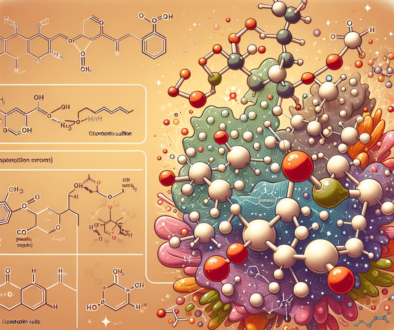
Milk thistle (Silybum marianum) is a plant native to Mediterranean countries and is primarily used for its active ingredient, silymarin. Silymarin is a complex mixture of flavonolignans, which includes silybin, silydianin, and silychristin. These compounds are believed to have antioxidant, anti-inflammatory, and potentially anti-cancer properties.
The Estrogen Connection: Hormonal Implications of Milk Thistle
Estrogen is a vital hormone in both women and men, playing a crucial role in reproductive health, bone density, and various other physiological processes. The concern that milk thistle might raise estrogen levels stems from its potential to interact with estrogen receptors or influence the metabolism of the hormone.
Research Findings on Milk Thistle and Estrogen
Scientific studies have produced mixed results regarding the impact of milk thistle on estrogen levels. Some research suggests that milk thistle can bind to estrogen receptors, which could theoretically lead to an estrogenic or anti-estrogenic effect. However, the clinical significance of this interaction remains unclear.
- A study published in the Journal of Endocrinology investigated the effects of silymarin on estrogen receptor-positive and negative breast cancer cells. The results indicated that silymarin might have an anti-estrogenic effect by downregulating the expression of estrogen receptors.
- Another study in the Journal of Molecular Endocrinology found that silymarin could inhibit aromatase, an enzyme responsible for the synthesis of estrogen. This could potentially reduce estrogen levels in the body.
- Conversely, some animal studies have suggested that milk thistle might have estrogen-like effects, which could raise concerns about its use in hormone-sensitive conditions.
It is important to note that most of these studies are preliminary and have been conducted in vitro (in a laboratory setting) or in animal models. Therefore, their applicability to human health is not yet fully established.
Case Studies and Clinical Trials
Human clinical trials investigating the effect of milk thistle on estrogen levels are limited. However, a few case studies and small-scale trials provide some insights:
- A case report published in the Journal of Herbal Pharmacotherapy described a woman who developed an altered menstrual cycle after taking a milk thistle supplement. However, this is a single case, and no direct causation could be established.
- Small clinical trials have examined the impact of milk thistle on liver enzymes and other health markers, but few have directly measured its effect on estrogen levels in humans.
Given the scarcity of robust clinical data, it is difficult to draw definitive conclusions about the relationship between milk thistle and estrogen levels in humans.
Considerations for Different Populations
When considering the use of milk thistle, it is crucial to take into account individual health conditions, particularly those related to hormone-sensitive diseases:
- Women with conditions such as breast cancer, uterine cancer, ovarian cancer, endometriosis, or uterine fibroids should consult with a healthcare provider before using milk thistle.
- Men with prostate cancer or other hormone-sensitive conditions should also exercise caution.
- Individuals taking hormone replacement therapy or birth control pills should discuss the potential interactions with their healthcare provider.
Statistical Overview and Prevalence of Use
Milk thistle supplements are widely used across the globe, with many individuals turning to herbal remedies for various health concerns. According to market research, the global milk thistle extracts market size was valued at USD 117.4 million in 2020 and is expected to grow at a compound annual growth rate (CAGR) of 6.7% from 2021 to 2028. This indicates a significant prevalence of milk thistle use and interest in its health benefits.
Conclusion: Balancing Benefits and Risks
In conclusion, the current scientific evidence does not provide a clear answer to whether milk thistle raises estrogen levels. While some studies suggest potential interactions with estrogen receptors and hormone metabolism, the clinical implications of these findings are not well-established. Individuals considering milk thistle supplements, especially those with hormone-sensitive conditions, should consult with healthcare professionals to weigh the potential benefits against the risks.
Explore ETChem’s Protein Products
For those interested in maintaining a balanced diet and supporting their health, ETChem offers a range of high-quality protein products. Their extensive selection includes various types of collagen, catering to different dietary preferences and health needs. ETChem’s commitment to quality ensures that you receive the best protein supplements to complement your wellness routine.
About ETChem:
ETChem, a reputable Chinese Collagen factory manufacturer and supplier, is renowned for producing, stocking, exporting, and delivering the highest quality collagens. They include marine collagen, fish collagen, bovine collagen, chicken collagen, type I collagen, type II collagen and type III collagen etc. Their offerings, characterized by a neutral taste, instant solubility attributes, cater to a diverse range of industries. They serve nutraceutical, pharmaceutical, cosmeceutical, veterinary, as well as food and beverage finished product distributors, traders, and manufacturers across Europe, USA, Canada, Australia, Thailand, Japan, Korea, Brazil, and Chile, among others.
ETChem specialization includes exporting and delivering tailor-made collagen powder and finished collagen nutritional supplements. Their extensive product range covers sectors like Food and Beverage, Sports Nutrition, Weight Management, Dietary Supplements, Health and Wellness Products, ensuring comprehensive solutions to meet all your protein needs.
As a trusted company by leading global food and beverage brands and Fortune 500 companies, ETChem reinforces China’s reputation in the global arena. For more information or to sample their products, please contact them and email karen(at)et-chem.com today.