
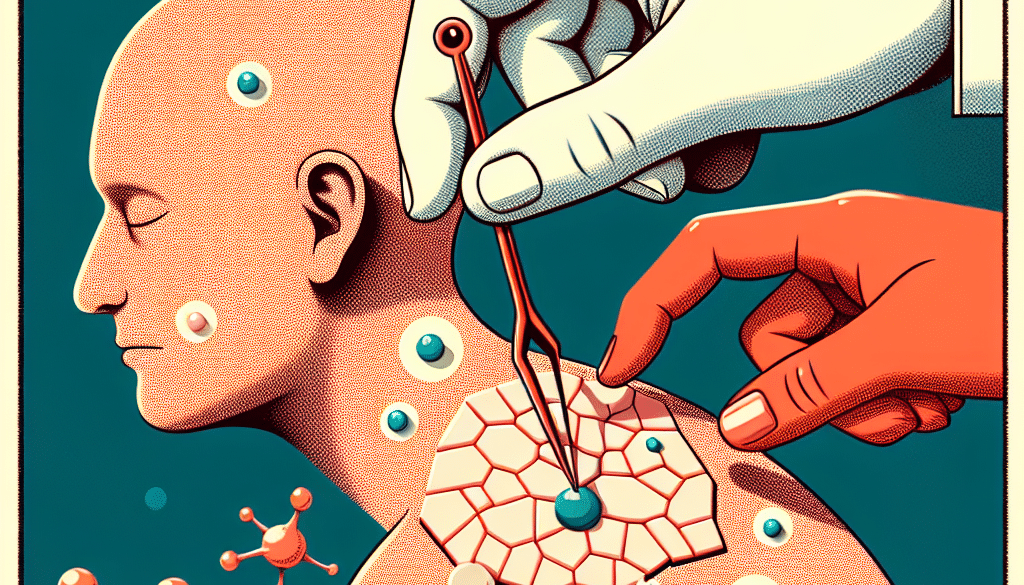
Does Pinching Skin Stimulate Collagen? A Pinch of Truth
-
Table of Contents
- Stimulating Collagen Production: Can Pinching Your Skin Really Help?
- The Science Behind Collagen and Skin Elasticity
- Pinching Skin: A Method for Collagen Stimulation?
- What Does the Research Say?
- Similar Techniques in Dermatology
- Case Studies and Anecdotal Evidence
- Understanding the Limitations
- Professional Treatments for Collagen Stimulation
- Conclusion: A Pinch of Truth
- Enhance Your Collagen Intake with ETChem’s Protein Products
Stimulating Collagen Production: Can Pinching Your Skin Really Help?
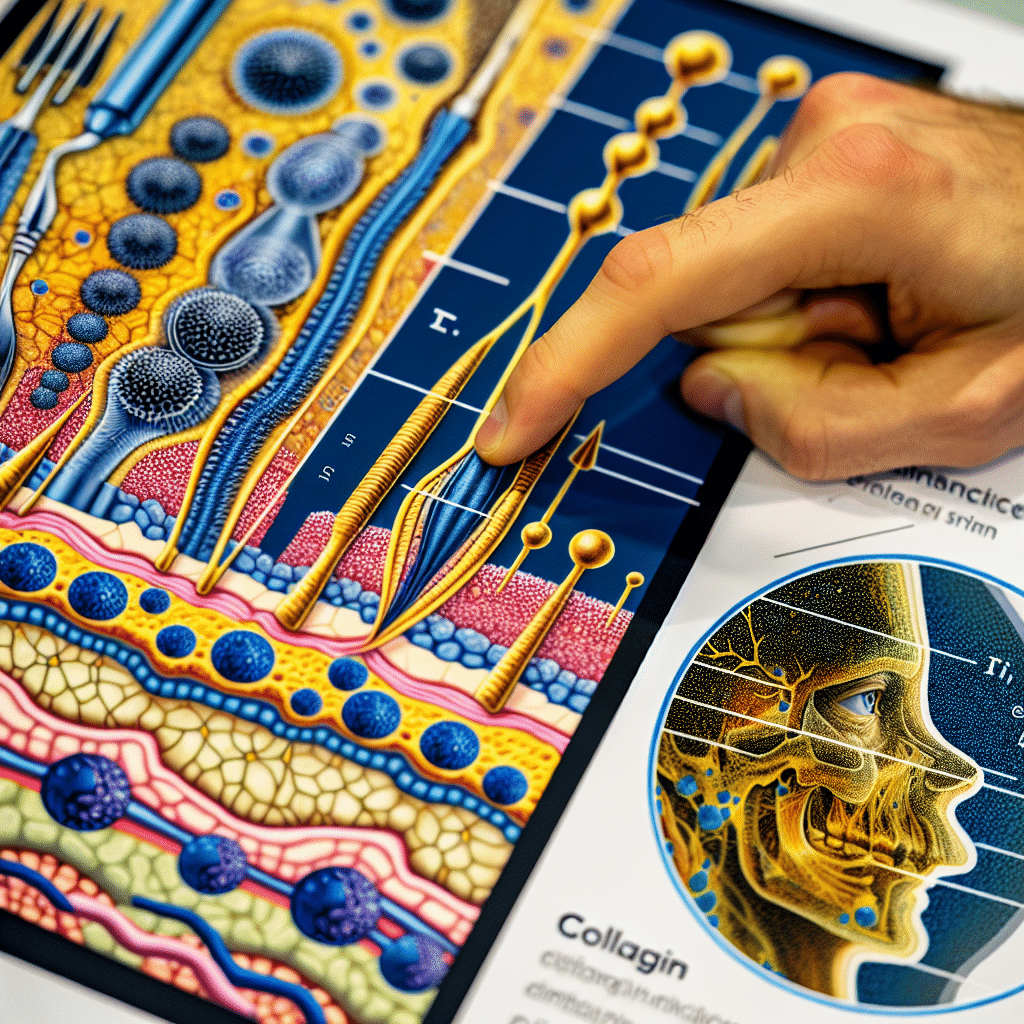
Collagen is the most abundant protein in the human body, playing a crucial role in providing structure and elasticity to the skin. As we age, collagen production naturally decreases, leading to signs of aging such as wrinkles and sagging skin. This has led to a myriad of beauty treatments and regimens aimed at stimulating collagen synthesis. One such method that has garnered attention is the act of pinching the skin. But does this simple technique really stimulate collagen production? Let’s delve into the science and uncover a pinch of truth.
The Science Behind Collagen and Skin Elasticity
Before we can understand the potential effects of pinching on collagen production, it’s important to grasp what collagen is and how it contributes to skin health. Collagen is a fibrous protein that provides a supportive framework for various tissues, including the skin. It works in tandem with elastin, another protein that allows skin to return to its original shape after being stretched or contracted.
- Collagen Type I: The most common type, providing structure to skin, bone, tendons, and other connective tissues.
- Collagen Type II: Found in cartilage and responsible for its tensile strength and elasticity.
- Collagen Type III: Commonly found alongside Type I, supports the structure of muscles, organs, and arteries.
As we age, the body’s ability to produce collagen diminishes, leading to the visible signs of aging. Factors such as sun exposure, smoking, and pollution can further accelerate this process.
Pinching Skin: A Method for Collagen Stimulation?
The idea behind pinching the skin as a method to stimulate collagen production is based on the principle of controlled skin injury. By causing minor, controlled damage to the skin, the theory suggests that the body’s natural healing processes will be triggered, leading to increased collagen production.
What Does the Research Say?
While there is a plethora of research on various professional treatments that induce controlled skin damage, such as microneedling and laser therapy, there is limited scientific evidence directly supporting the effectiveness of skin pinching for collagen stimulation. However, the concept is not entirely without merit.
Similar Techniques in Dermatology
Procedures like microneedling, which involves creating tiny punctures in the skin using fine needles, are well-documented for their ability to stimulate collagen production. The process, known as collagen induction therapy, works on the same principle of controlled injury that is hypothesized for skin pinching.
Case Studies and Anecdotal Evidence
While rigorous scientific studies on skin pinching are scarce, there are anecdotal reports and case studies that suggest some individuals may experience benefits from this practice. These reports often come from practitioners of facial massage techniques and other non-invasive skin therapies.
Understanding the Limitations
It’s important to recognize that even if pinching the skin can stimulate collagen production to some extent, it is unlikely to be as effective or controlled as professional treatments. Additionally, excessive or aggressive pinching could potentially cause bruising or damage to the skin.
Professional Treatments for Collagen Stimulation
For those seeking more significant results in collagen production, professional treatments may be a more reliable option. These include:
- Microneedling
- Laser therapy
- Radiofrequency treatments
- Ultrasound therapy
These treatments are designed to create controlled injury in a safe, sterile environment, often leading to more pronounced improvements in skin texture and firmness.
Conclusion: A Pinch of Truth
In conclusion, while the idea of pinching skin to stimulate collagen production is intriguing, there is insufficient scientific evidence to fully endorse this practice. While it may offer some benefits, particularly in the context of a comprehensive facial massage routine, it should not be relied upon as a primary method for improving skin elasticity and collagen synthesis. For more substantial results, professional treatments remain the gold standard.
Enhance Your Collagen Intake with ETChem’s Protein Products
If you’re looking to support your skin’s health from the inside out, consider incorporating collagen supplements into your routine. ETChem offers a range of high-quality collagen products that can complement your skincare regimen. Their protein products, including marine, fish, bovine, and chicken collagen, are designed to meet the needs of various industries and individual preferences.
By choosing ETChem’s collagen supplements, you’re opting for a product that is easily soluble, neutral in taste, and backed by a company with a strong reputation in the global market. Whether you’re involved in the nutraceutical, pharmaceutical, cosmeceutical, or food and beverage industry, ETChem has a collagen solution for you.
About ETChem:
ETChem, a reputable Chinese Collagen factory manufacturer and supplier, is renowned for producing, stocking, exporting, and delivering the highest quality collagens. They include marine collagen, fish collagen, bovine collagen, chicken collagen, type I collagen, type II collagen and type III collagen etc. Their offerings, characterized by a neutral taste, instant solubility attributes, cater to a diverse range of industries. They serve nutraceutical, pharmaceutical, cosmeceutical, veterinary, as well as food and beverage finished product distributors, traders, and manufacturers across Europe, USA, Canada, Australia, Thailand, Japan, Korea, Brazil, and Chile, among others.
ETChem specialization includes exporting and delivering tailor-made collagen powder and finished collagen nutritional supplements. Their extensive product range covers sectors like Food and Beverage, Sports Nutrition, Weight Management, Dietary Supplements, Health and Wellness Products, ensuring comprehensive solutions to meet all your protein needs.
As a trusted company by leading global food and beverage brands and Fortune 500 companies, ETChem reinforces China’s reputation in the global arena. For more information or to sample their products, please contact them and email karen(at)et-chem.com today.