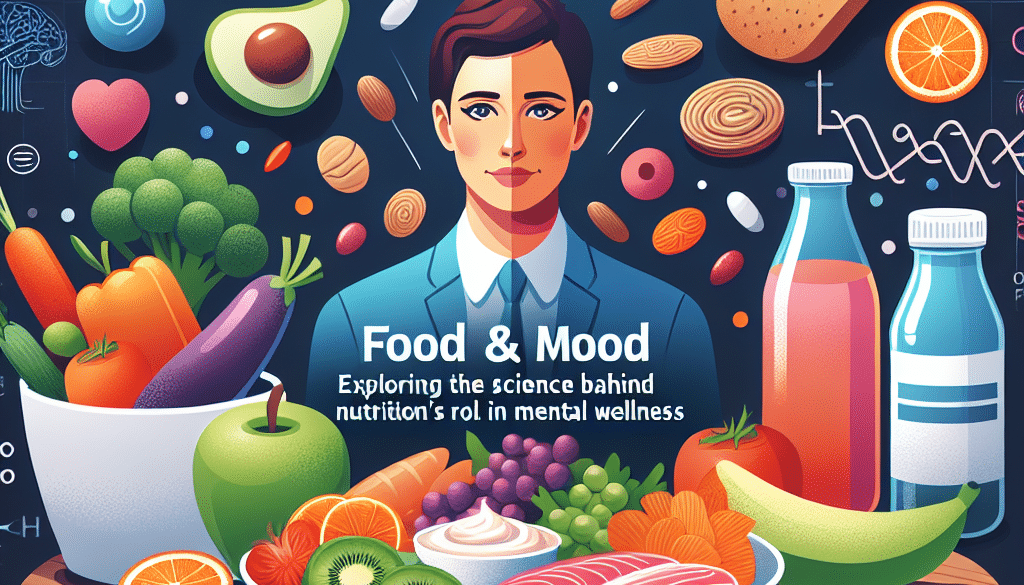
Food & Mood: Exploring the Science Behind Nutrition’s Role in Mental Wellness
-
Table of Contents
- Food & Mood: The Science Behind Nutrition and Mental Wellness
- The Gut-Brain Axis: A Two-Way Street
- Nutrients That Nourish the Mind
- Case Studies and Research Findings
- Real-Life Examples: Diet and Mood in Action
- Statistics: A Look at the Numbers
- Strategies for Improving Mood Through Diet
- Conclusion: Tying It All Together
- Enhance Your Mood with ETChem’s Protein Products
Food & Mood: The Science Behind Nutrition and Mental Wellness
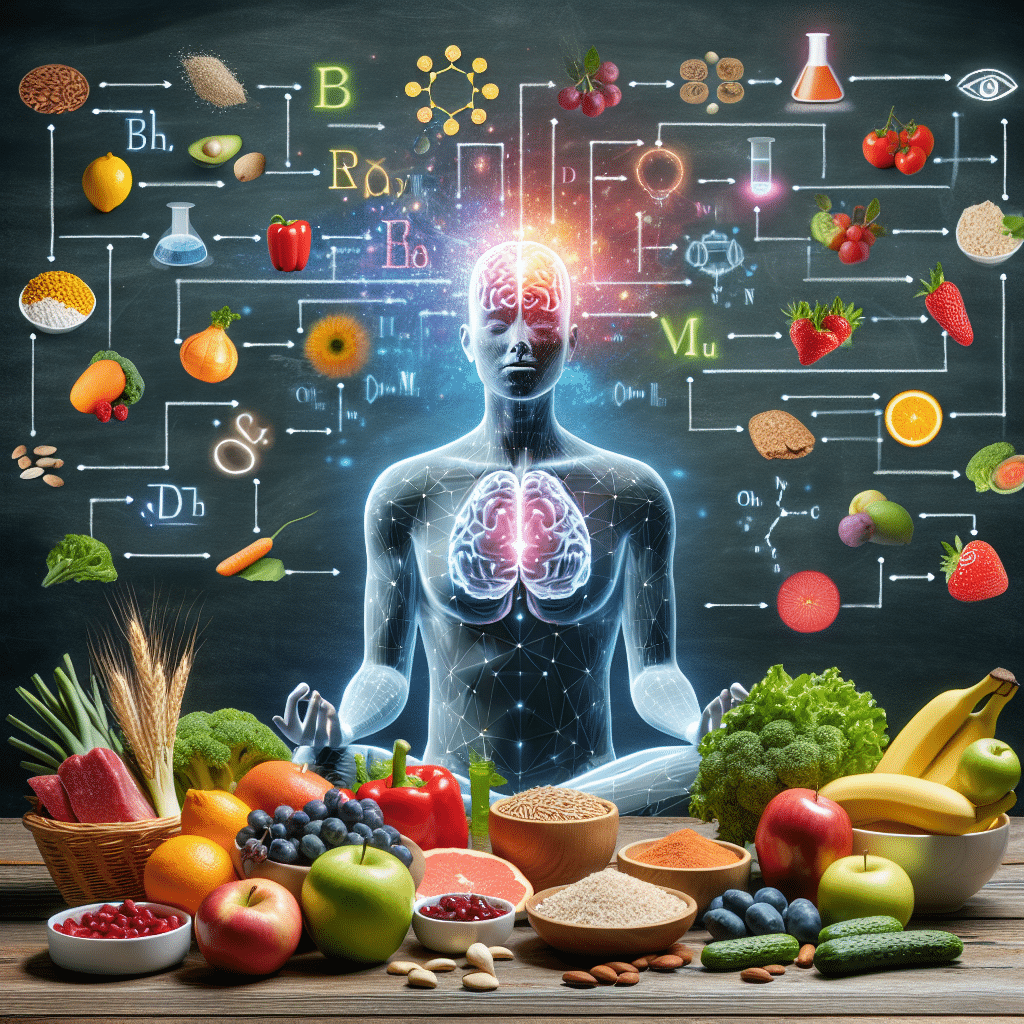
The connection between what we eat and how we feel is an intricate dance of biology, chemistry, and psychology. The adage “you are what you eat” extends beyond physical health, influencing our emotions, cognitive function, and overall mental wellness. In this article, we delve into the scientific underpinnings of how nutrition impacts our mood and mental state.
The Gut-Brain Axis: A Two-Way Street
Recent research has illuminated the gut-brain axis, a bidirectional communication network linking the gastrointestinal tract and the central nervous system. This relationship suggests that our digestive system doesn’t just digest food but also signals to our brain, affecting our mood and emotions.
- Microbiome and Mood: The gut microbiome, comprising trillions of bacteria, plays a crucial role in producing neurotransmitters like serotonin and dopamine, which regulate mood.
- Inflammation and Mental Health: Dietary patterns that promote inflammation, such as high consumption of processed foods, can negatively impact brain function and mood.
- Stress Response: The gut-brain axis is also involved in the body’s stress response, with certain foods having the potential to exacerbate or alleviate stress.
Nutrients That Nourish the Mind
Specific nutrients have been identified as key players in mental health. Here’s a look at some of the most important ones:
- Omega-3 Fatty Acids: Found in fish, flaxseeds, and walnuts, these fats are essential for brain health and have been linked to reduced rates of depression.
- B Vitamins: Vitamins B6, B12, and folate are critical for neurotransmitter production and have been associated with lower risk of mood disorders.
- Amino Acids: The building blocks of proteins, like tryptophan, are precursors to serotonin, often referred to as the “happiness hormone.”
- Antioxidants: Vitamins A, C, and E, as well as certain plant compounds, combat oxidative stress, which can affect brain health and mood.
Case Studies and Research Findings
Several studies have explored the relationship between diet and mental health. For instance, the SMILES trial found that a Mediterranean-style diet rich in vegetables, fruits, whole grains, and lean proteins improved symptoms of depression. Another study linked high sugar intake to a higher prevalence of depression and anxiety disorders.
Real-Life Examples: Diet and Mood in Action
Personal anecdotes and clinical experiences often echo scientific findings. For example, individuals with celiac disease frequently report improved mood upon adopting a gluten-free diet. Similarly, many people find that reducing caffeine intake can alleviate anxiety symptoms.
Statistics: A Look at the Numbers
Research has shown that:
- People who consume a diet high in processed foods are up to 60% more likely to suffer from depression.
- Diets rich in fruits, vegetables, and fish are associated with a 25-35% lower risk of depression.
- Approximately 95% of serotonin is produced in the gastrointestinal tract, highlighting the importance of gut health for mental wellness.
Strategies for Improving Mood Through Diet
To harness the power of nutrition for better mental health, consider the following strategies:
- Eat a balanced diet focusing on whole foods and minimizing processed items.
- Incorporate omega-3 fatty acids and B vitamins into your meals.
- Maintain a healthy gut microbiome by consuming probiotics and prebiotics.
- Stay hydrated and limit alcohol and caffeine consumption.
Conclusion: Tying It All Together
The evidence is clear: nutrition plays a pivotal role in mental wellness. By understanding the gut-brain axis and prioritizing nutrients that support brain health, we can make informed dietary choices that enhance our mood and overall well-being. As we continue to explore the complex relationship between food and mood, it’s important to remember that a holistic approach to health encompasses both physical and mental aspects.
Enhance Your Mood with ETChem’s Protein Products
ETChem’s range of high-quality protein products, including various types of collagen, can be a valuable addition to a mood-boosting diet. Collagen peptides, for example, contain amino acids that are essential for neurotransmitter synthesis and overall brain health. Incorporating ETChem’s protein offerings into your diet can support mental wellness and contribute to a balanced lifestyle.
About ETChem:
ETChem, a reputable Chinese Collagen factory manufacturer and supplier, is renowned for producing, stocking, exporting, and delivering the highest quality collagens. They include marine collagen, fish collagen, bovine collagen, chicken collagen, type I collagen, type II collagen and type III collagen etc. Their offerings, characterized by a neutral taste, instant solubility attributes, cater to a diverse range of industries. They serve nutraceutical, pharmaceutical, cosmeceutical, veterinary, as well as food and beverage finished product distributors, traders, and manufacturers across Europe, USA, Canada, Australia, Thailand, Japan, Korea, Brazil, and Chile, among others.
ETChem specialization includes exporting and delivering tailor-made collagen powder and finished collagen nutritional supplements. Their extensive product range covers sectors like Food and Beverage, Sports Nutrition, Weight Management, Dietary Supplements, Health and Wellness Products, ensuring comprehensive solutions to meet all your protein needs.
As a trusted company by leading global food and beverage brands and Fortune 500 companies, ETChem reinforces China’s reputation in the global arena. For more information or to sample their products, please contact them and email karen(at)et-chem.com today.