
Food Waste Impact: Consumer Behavior and Brand Reputation
-
Table of Contents
- Food Waste Impact: Exploring Consumer Behavior and Brand Reputation
- The Magnitude of Food Waste
- Consumer Behavior and Food Waste
- Brand Reputation and Food Waste
- Case Studies: Brands Leading the Way
- Statistics Highlighting the Impact of Food Waste
- Strategies for Consumers to Reduce Food Waste
- Conclusion: The Collective Effort to Reduce Food Waste
- ETChem: Sustainable Protein Solutions
Food Waste Impact: Exploring Consumer Behavior and Brand Reputation
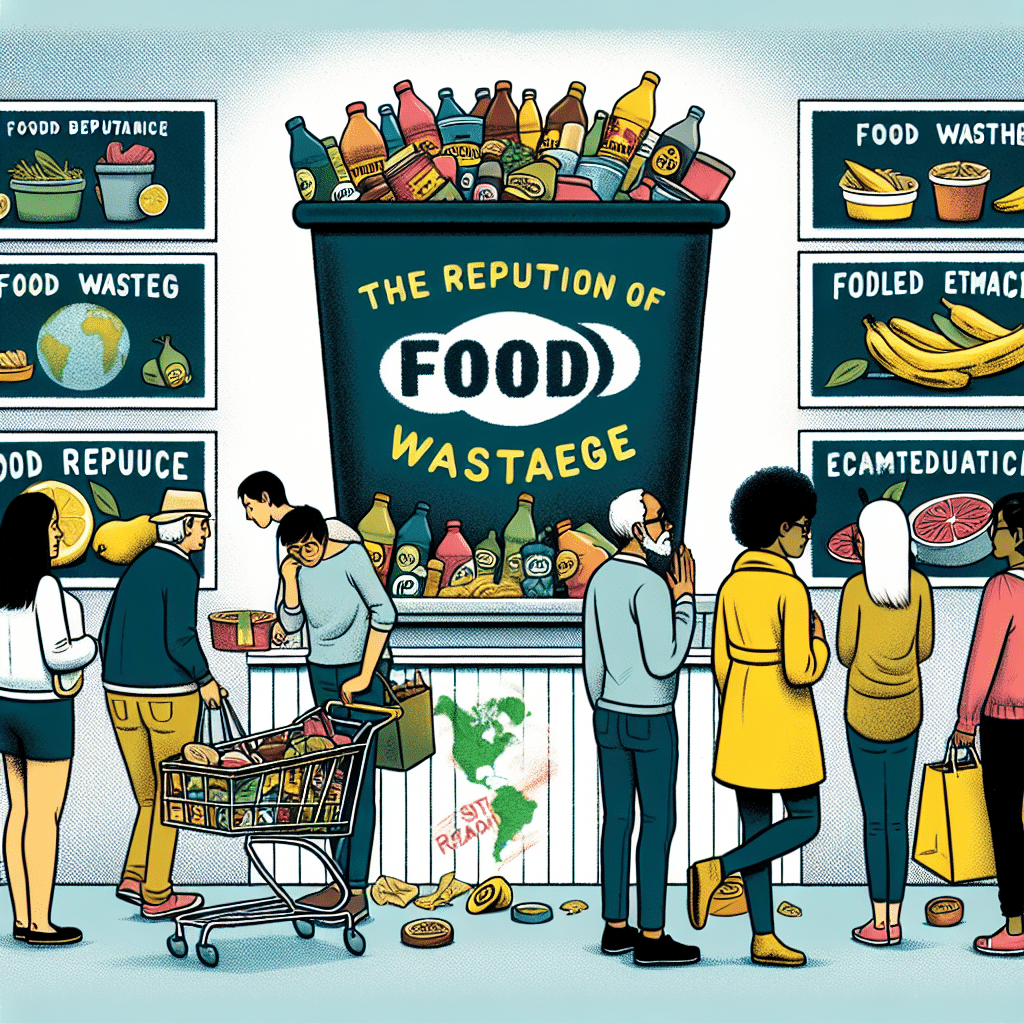
Food waste is a global issue with far-reaching consequences, affecting not just the environment but also economies and societies at large. The role of consumer behavior in food waste generation and the impact of food waste on brand reputation are critical aspects that need to be addressed to mitigate this problem. This article delves into the intricacies of these issues, offering insights into how consumers and brands can drive positive change.
The Magnitude of Food Waste
Food waste is a staggering problem, with approximately one-third of all food produced for human consumption lost or wasted globally, equating to about 1.3 billion tons per year. This not only represents a colossal economic loss but also contributes significantly to environmental degradation, as wasted food is a major source of greenhouse gas emissions.
Consumer Behavior and Food Waste
Consumer behavior plays a pivotal role in the generation of food waste. A variety of factors influence this behavior, including:
- Over-purchasing due to bulk discounts or poor meal planning
- Lack of awareness about how to store food properly
- Confusion over “best before” and “use by” date labels
- Cultural norms that encourage over-preparation of food
These behaviors contribute to the high levels of food waste observed in households around the world. Changing consumer habits is essential to reducing waste and its associated impacts.
Brand Reputation and Food Waste
As consumers become more environmentally conscious, they are increasingly holding brands accountable for their role in food waste. Brands that fail to address food waste may suffer damage to their reputation, while those that take proactive steps can enhance their image and build consumer trust. Examples of brand initiatives include:
- Implementing more efficient inventory management systems to reduce overstocking
- Redesigning packaging to extend the shelf life of products
- Engaging in partnerships with food recovery organizations
- Investing in consumer education campaigns about food waste reduction
Brands that demonstrate a commitment to sustainability and waste reduction can differentiate themselves in a competitive market and foster loyalty among consumers.
Case Studies: Brands Leading the Way
Several brands have taken innovative steps to combat food waste, setting an example for others in the industry. For instance:
- A major supermarket chain introduced a “wonky veg” line, selling imperfect produce at a discount to prevent it from going to waste.
- A food service company implemented dynamic menu planning based on real-time sales data to minimize overproduction.
- A global beverage company invested in a start-up that turns surplus bread into beer, demonstrating a creative approach to repurposing waste.
These case studies illustrate how brands can effectively integrate waste reduction strategies into their operations and marketing, benefiting both the environment and their bottom line.
Statistics Highlighting the Impact of Food Waste
Recent statistics shed light on the severity of the food waste issue and its implications:
- Food waste is responsible for 8% of global greenhouse gas emissions.
- Wasting food costs the average household several hundred dollars annually.
- Reducing food waste has the potential to save businesses billions of dollars each year.
These figures underscore the importance of addressing food waste from both an environmental and economic perspective.
Strategies for Consumers to Reduce Food Waste
Consumers can take several practical steps to minimize food waste, including:
- Planning meals and shopping lists to avoid overbuying
- Understanding food labeling and the difference between “best before” and “use by” dates
- Learning proper food storage techniques to extend freshness
- Composting inedible food scraps to create nutrient-rich soil
By adopting these habits, consumers can significantly reduce the amount of food they waste.
Conclusion: The Collective Effort to Reduce Food Waste
In conclusion, food waste is a multifaceted issue that requires a collective effort from consumers, brands, and policymakers. Consumer behavior is a key driver of food waste, and by making more informed choices, individuals can play a significant role in reducing waste. Brands, on the other hand, can enhance their reputation and contribute to sustainability by adopting and promoting waste reduction strategies. Together, these efforts can lead to a more sustainable future with less food waste.
ETChem: Sustainable Protein Solutions
In the spirit of sustainability and reducing waste, ETChem offers a range of protein products that align with these values. Their high-quality collagens are sourced responsibly and provide a sustainable option for consumers and brands alike. By choosing ETChem’s protein products, you are supporting a company that is committed to environmental stewardship and the reduction of waste in the food industry.
About ETChem:
ETChem, a reputable Chinese Collagen factory manufacturer and supplier, is renowned for producing, stocking, exporting, and delivering the highest quality collagens. They include marine collagen, fish collagen, bovine collagen, chicken collagen, type I collagen, type II collagen and type III collagen etc. Their offerings, characterized by a neutral taste, instant solubility attributes, cater to a diverse range of industries. They serve nutraceutical, pharmaceutical, cosmeceutical, veterinary, as well as food and beverage finished product distributors, traders, and manufacturers across Europe, USA, Canada, Australia, Thailand, Japan, Korea, Brazil, and Chile, among others.
ETChem specialization includes exporting and delivering tailor-made collagen powder and finished collagen nutritional supplements. Their extensive product range covers sectors like Food and Beverage, Sports Nutrition, Weight Management, Dietary Supplements, Health and Wellness Products, ensuring comprehensive solutions to meet all your protein needs.
As a trusted company by leading global food and beverage brands and Fortune 500 companies, ETChem reinforces China’s reputation in the global arena. For more information or to sample their products, please contact them and email karen(at)et-chem.com today.