Formulating with Plant Proteins vs Dairy Proteins: Challenges and Current Solutions to Fill the Gap
-
Table of Contents
- Plant Proteins vs Dairy Proteins: Navigating Formulation Challenges
- Understanding the Differences
- Challenges in Formulating with Plant Proteins
- Current Solutions to Fill the Gap
- Enhancing Nutritional Quality
- Improving Sensory Experience
- Advancing Functional Properties
- Increasing Solubility
- Standardizing Quality
- Case Studies and Statistics
- Conclusion
- ETChem’s Protein Products
Plant Proteins vs Dairy Proteins: Navigating Formulation Challenges
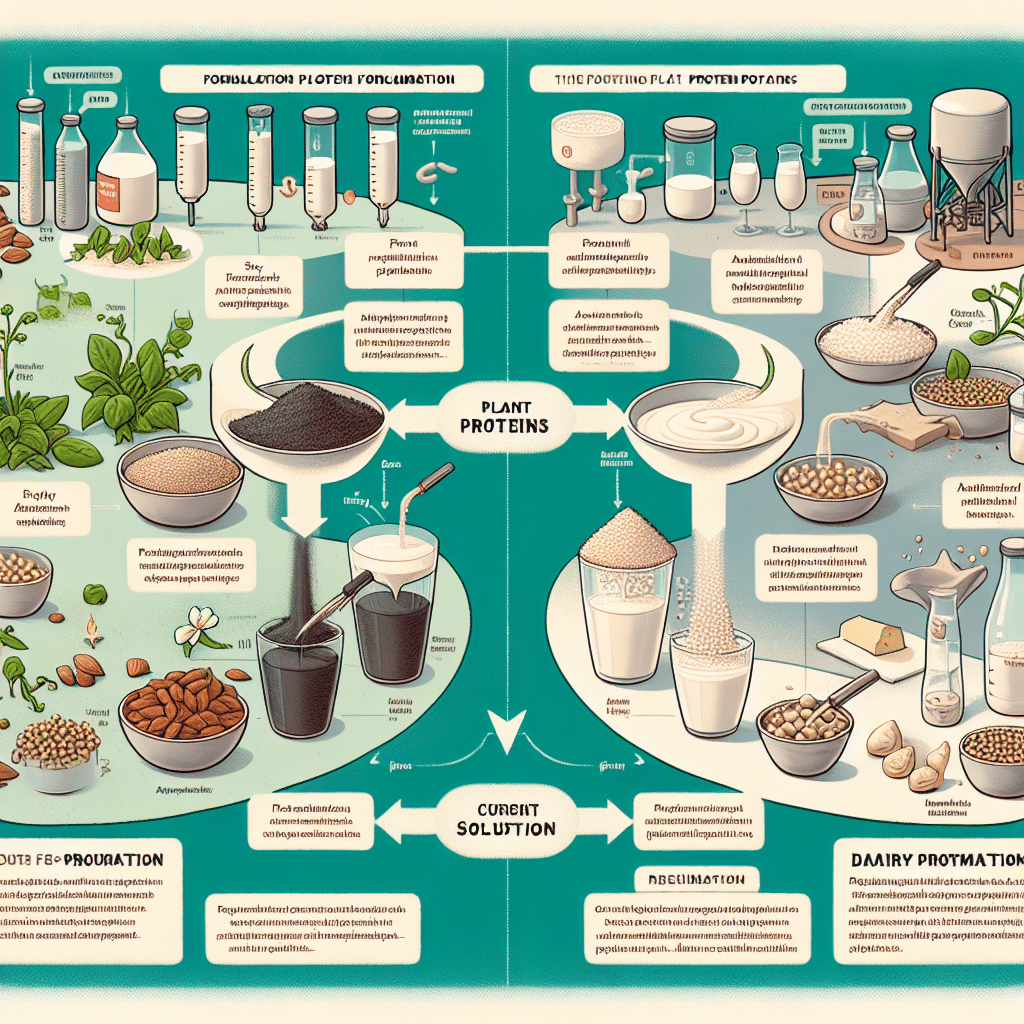
The rise of plant-based diets and increased awareness of lactose intolerance and milk allergies have led to a surge in demand for plant proteins. However, formulating products with plant proteins instead of dairy proteins presents unique challenges. This article explores these challenges and the current solutions that are helping to bridge the gap between plant and dairy proteins.
Understanding the Differences
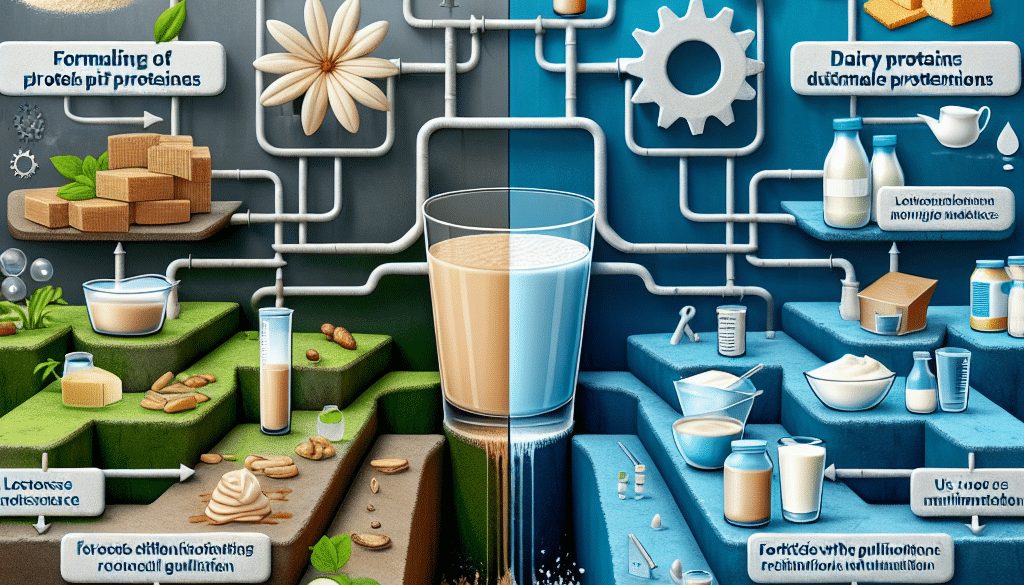
Before delving into the formulation challenges, it’s essential to understand the fundamental differences between plant and dairy proteins. Dairy proteins, such as whey and casein, are complete proteins, meaning they contain all nine essential amino acids required by the human body. Plant proteins, on the other hand, often lack one or more of these amino acids, making them incomplete proteins.
Challenges in Formulating with Plant Proteins
- Amino Acid Profile: The incomplete amino acid profile of plant proteins can lead to nutritional deficiencies if not properly balanced.
- Sensory Attributes: Plant proteins can have distinct flavors and textures that may be less appealing than the creamy taste and smooth texture of dairy proteins.
- Functional Properties: Dairy proteins are known for their excellent gelling, emulsifying, and foaming properties, which can be challenging to replicate with plant proteins.
- Solubility: Plant proteins often have lower solubility, which can affect the texture and stability of the final product.
- Consistency: Achieving a consistent product using plant proteins can be difficult due to variability in crop quality and processing methods.
Current Solutions to Fill the Gap
Despite these challenges, food scientists and manufacturers have been developing innovative solutions to make plant proteins more competitive with dairy proteins.
Enhancing Nutritional Quality
Blending different plant proteins can create a complete amino acid profile similar to that of dairy proteins. For example, combining pea protein with rice protein can provide all essential amino acids.
Improving Sensory Experience
Flavor masking agents and novel processing techniques are being used to neutralize the off-flavors of plant proteins. Additionally, texturizing agents and fat replacers can help mimic the mouthfeel of dairy proteins.
Advancing Functional Properties
Through enzymatic treatment and fermentation, plant proteins can be modified to improve their functional properties. This can enhance their gelling, emulsifying, and foaming capabilities.
Increasing Solubility
Hydrolysis and ultra-fine grinding are two methods being employed to increase the solubility of plant proteins, making them more suitable for a variety of applications.
Standardizing Quality
Implementing strict quality control measures and sourcing from reliable suppliers can help ensure the consistency of plant proteins.
Case Studies and Statistics
Several companies have successfully launched plant-based products that rival their dairy counterparts. For instance, Beyond Meat’s use of pea protein has allowed them to create a burger that cooks and tastes like beef. According to a report by MarketsandMarkets, the plant-based protein market is projected to grow from USD 10.3 billion in 2020 to USD 14.5 billion by 2025, indicating a significant shift towards plant-based alternatives.
Conclusion
While formulating with plant proteins presents challenges, the food industry is making strides in overcoming these obstacles. Through innovative approaches and technological advancements, the gap between plant and dairy proteins is narrowing, offering consumers more choices that align with their dietary preferences and needs.
ETChem’s Protein Products
If you’re looking for high-quality protein ingredients for your formulations, ETChem offers a range of collagen products that can meet your needs. Their portfolio includes marine, fish, bovine, chicken, and various types of collagen, all characterized by neutral taste and instant solubility. ETChem’s expertise in providing tailor-made collagen powder and finished collagen nutritional supplements makes them a go-to source for industries seeking reliable protein solutions.
About ETChem:
ETChem, a reputable Chinese Collagen factory manufacturer and supplier, is renowned for producing, stocking, exporting, and delivering the highest quality collagens. They include marine collagen, fish collagen, bovine collagen, chicken collagen, type I collagen, type II collagen and type III collagen etc. Their offerings, characterized by a neutral taste, instant solubility attributes, cater to a diverse range of industries. They serve nutraceutical, pharmaceutical, cosmeceutical, veterinary, as well as food and beverage finished product distributors, traders, and manufacturers across Europe, USA, Canada, Australia, Thailand, Japan, Korea, Brazil, and Chile, among others.
ETChem specialization includes exporting and delivering tailor-made collagen powder and finished collagen nutritional supplements. Their extensive product range covers sectors like Food and Beverage, Sports Nutrition, Weight Management, Dietary Supplements, Health and Wellness Products, ensuring comprehensive solutions to meet all your protein needs.
As a trusted company by leading global food and beverage brands and Fortune 500 companies, ETChem reinforces China’s reputation in the global arena. For more information or to sample their products, please contact them and email karen(at)et-chem.com today.