Global Eating Patterns: The Changing Face of Consumption
-
Table of Contents
- Global Eating Patterns: The Changing Face of Consumption
- The Drivers of Change in Global Eating Patterns
- Regional Shifts in Dietary Patterns
- Health Implications of Changing Eating Patterns
- Environmental Impact of Dietary Choices
- Case Studies: Adapting to New Consumption Patterns
- Statistics: A Snapshot of Global Eating Trends
- Conclusion: Embracing the New Era of Consumption
- ETChem: Meeting the Demand for Sustainable Protein
Global Eating Patterns: The Changing Face of Consumption
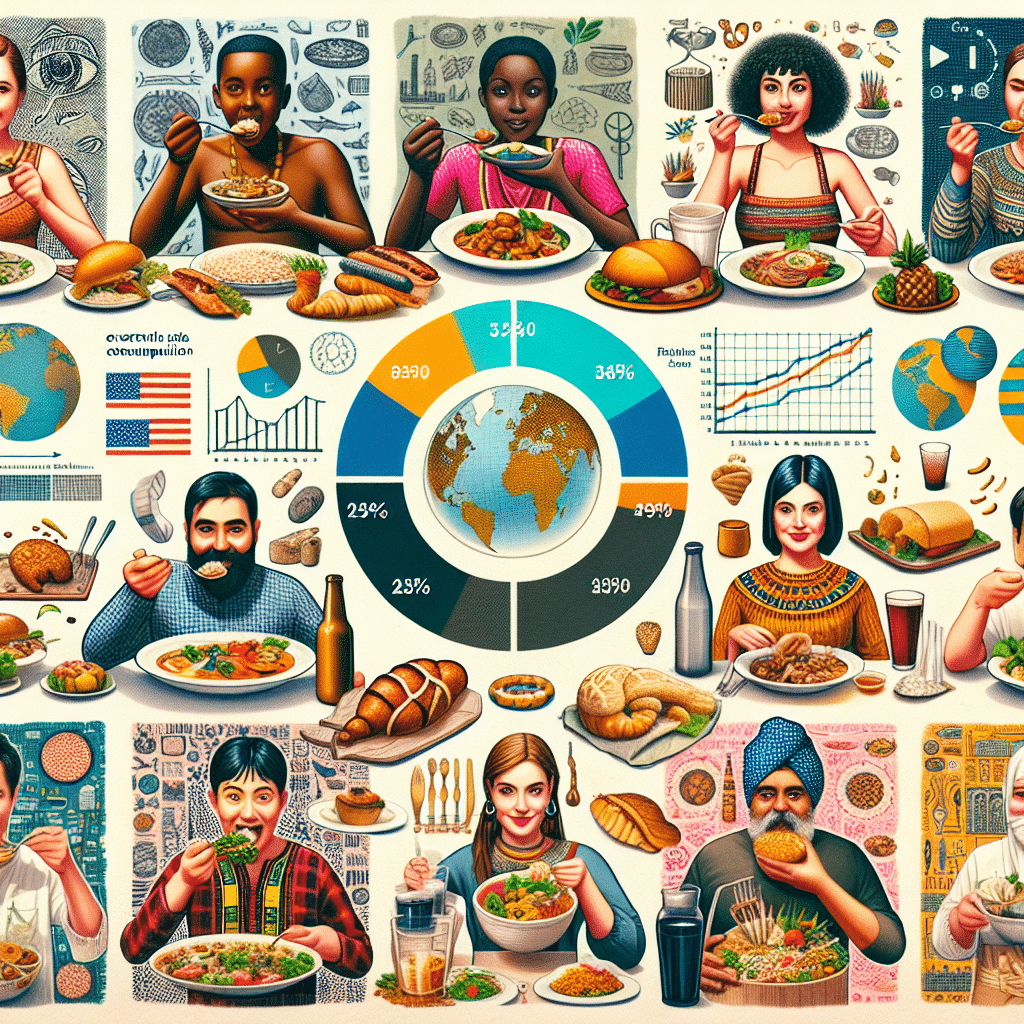
The way we eat has evolved dramatically over the past few decades. Driven by globalization, technological advancements, and shifting cultural norms, global eating patterns are changing at an unprecedented rate. This article delves into the factors influencing these changes, the implications for health and the environment, and how businesses like ETChem are adapting to these trends with innovative protein products.
The Drivers of Change in Global Eating Patterns
Several key factors are influencing the changing face of global consumption:
- Economic Development: As countries develop economically, diets often become more diverse and calorie-dense, with increased consumption of meat, fats, and sugars.
- Urbanization: City living tends to favor convenience, leading to a rise in fast food and processed foods.
- Globalization: The global food trade has made a wider variety of foods available to consumers around the world, influencing local eating habits.
- Health Trends: Growing health consciousness is shifting diets towards more plant-based and whole-food options.
- Environmental Concerns: Awareness of the environmental impact of food production is leading to more sustainable eating practices.
- Technological Innovations: Advances in food technology are introducing new ways of producing and distributing food.
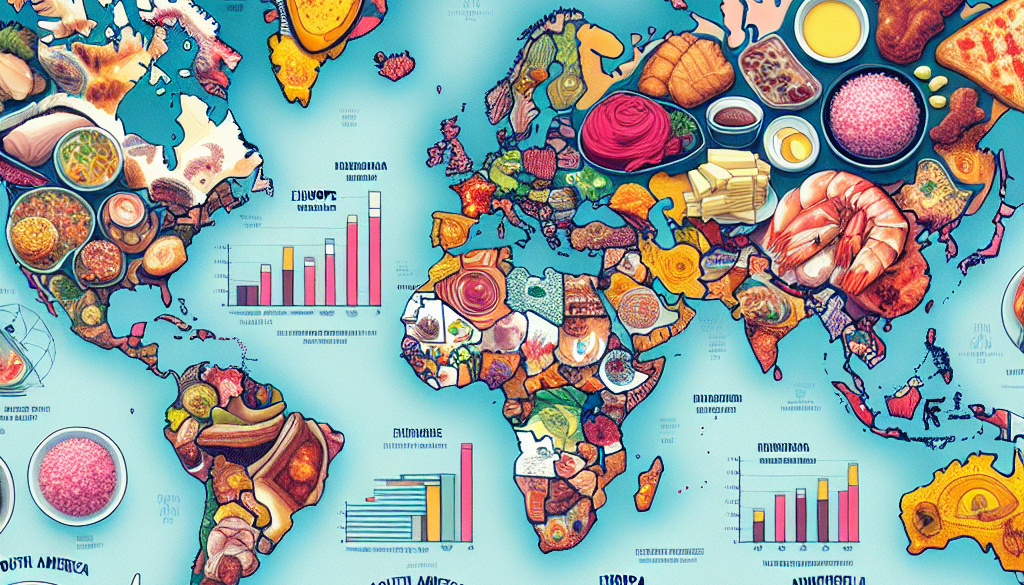
Regional Shifts in Dietary Patterns
Different regions of the world are experiencing unique shifts in their eating patterns:
- Western Diets: There is a growing trend towards plant-based diets and alternative proteins in response to health and environmental concerns.
- Asian Diets: Rapid economic growth has led to increased meat consumption, but traditional diets rich in vegetables and rice still prevail in many areas.
- African Diets: Urbanization is influencing a move away from traditional diets towards more processed foods, although many regions still rely on staple crops.
- Latin American Diets: There is a mix of traditional foods and Western influences, with a notable rise in obesity rates due to increased consumption of processed foods.
Health Implications of Changing Eating Patterns
The shift in global eating patterns has significant health implications:
- Obesity and Non-Communicable Diseases: Increased consumption of high-calorie, nutrient-poor foods is leading to higher rates of obesity and diseases such as diabetes and heart disease.
- Malnutrition: In some developing regions, the move away from traditional diets can result in malnutrition and nutrient deficiencies.
- Mental Health: Emerging research suggests that diet plays a role in mental health, with balanced diets being linked to lower rates of depression and anxiety.
Environmental Impact of Dietary Choices
The environmental impact of our dietary choices is becoming increasingly clear:
- Carbon Footprint: Meat and dairy production are significant contributors to greenhouse gas emissions.
- Land Use: Agriculture for animal feed and grazing requires vast amounts of land, contributing to deforestation and biodiversity loss.
- Water Use: Producing animal-based foods typically requires more water than plant-based foods.
Case Studies: Adapting to New Consumption Patterns
Several case studies highlight how different sectors are adapting to the changing face of consumption:
- Plant-Based Alternatives: The rise of plant-based meat alternatives, such as Beyond Meat and Impossible Foods, caters to the demand for sustainable and health-conscious options.
- Local and Organic Movements: Farmers’ markets and organic food producers are gaining popularity as consumers seek fresher, less processed foods.
- Food Delivery Services: Companies like HelloFresh and Blue Apron are capitalizing on the demand for convenience while providing healthier meal options.
Statistics: A Snapshot of Global Eating Trends
Recent statistics shed light on the changing global eating patterns:
- The global plant-based meat market is expected to reach $35.4 billion by 2027, growing at a CAGR of 15.8% from 2021 to 2027 (Allied Market Research).
- Obesity rates have nearly tripled since 1975, with over 650 million adults obese in 2016 (WHO).
- Approximately 2 billion people suffer from micronutrient deficiencies worldwide (UNICEF).
Conclusion: Embracing the New Era of Consumption
The changing face of global consumption presents both challenges and opportunities. As we navigate these shifts, it is crucial to promote diets that are not only healthy for individuals but also sustainable for the planet. Companies like ETChem are at the forefront of this movement, offering innovative protein products that cater to the evolving demands of consumers.
ETChem: Meeting the Demand for Sustainable Protein
ETChem is responding to the changing global eating patterns by providing a range of high-quality collagen products. Their offerings are ideal for consumers seeking sustainable and health-conscious protein options. ETChem’s collagens are sourced from various origins, including marine, fish, bovine, and chicken, ensuring that there is a product to meet every dietary need and preference.
Their commitment to quality, taste, and solubility makes ETChem’s collagen products a perfect fit for industries ranging from nutraceuticals to food and beverage. By choosing ETChem, consumers and businesses alike can be confident in their contribution to a healthier, more sustainable future.
About ETChem:
ETChem, a reputable Chinese Collagen factory manufacturer and supplier, is renowned for producing, stocking, exporting, and delivering the highest quality collagens. They include marine collagen, fish collagen, bovine collagen, chicken collagen, type I collagen, type II collagen and type III collagen etc. Their offerings, characterized by a neutral taste, instant solubility attributes, cater to a diverse range of industries. They serve nutraceutical, pharmaceutical, cosmeceutical, veterinary, as well as food and beverage finished product distributors, traders, and manufacturers across Europe, USA, Canada, Australia, Thailand, Japan, Korea, Brazil, and Chile, among others.
ETChem specialization includes exporting and delivering tailor-made collagen powder and finished collagen nutritional supplements. Their extensive product range covers sectors like Food and Beverage, Sports Nutrition, Weight Management, Dietary Supplements, Health and Wellness Products, ensuring comprehensive solutions to meet all your protein needs.
As a trusted company by leading global food and beverage brands and Fortune 500 companies, ETChem reinforces China’s reputation in the global arena. For more information or to sample their products, please contact them and email karen(at)et-chem.com today.