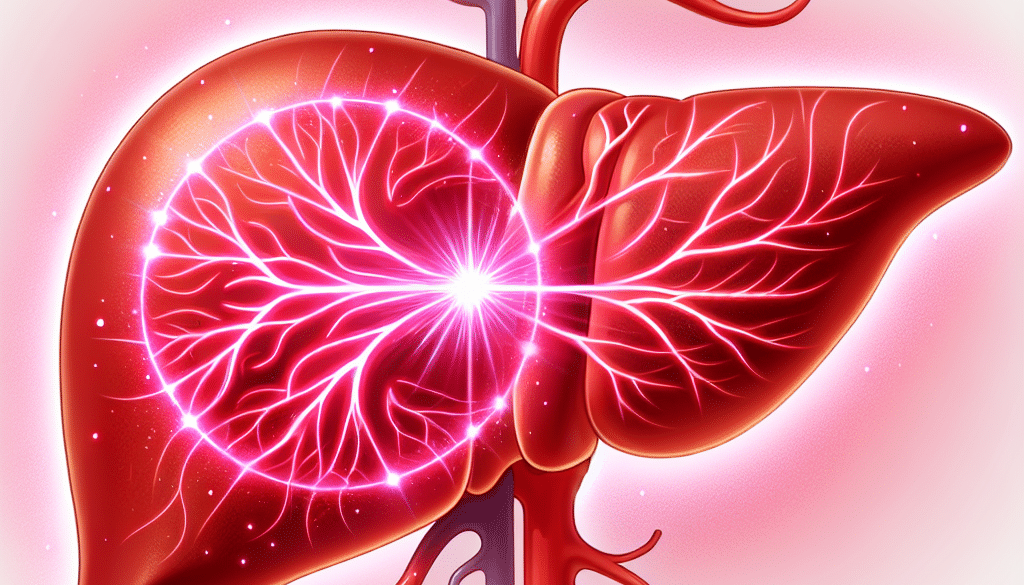
How does astaxanthin affect the liver?
-
Table of Contents
- Astaxanthin and Liver Health: Exploring the Protective Effects
- The Antioxidant Power of Astaxanthin
- Anti-inflammatory Effects of Astaxanthin on the Liver
- Impact of Astaxanthin on Liver Fat Metabolism
- Protective Role Against Liver Fibrosis and Cirrhosis
- Case Studies and Clinical Trials
- Recommended Dosage and Safety
- Conclusion: Astaxanthin as a Liver Health Ally
- Discover ETchem’s Protein Products
Astaxanthin and Liver Health: Exploring the Protective Effects
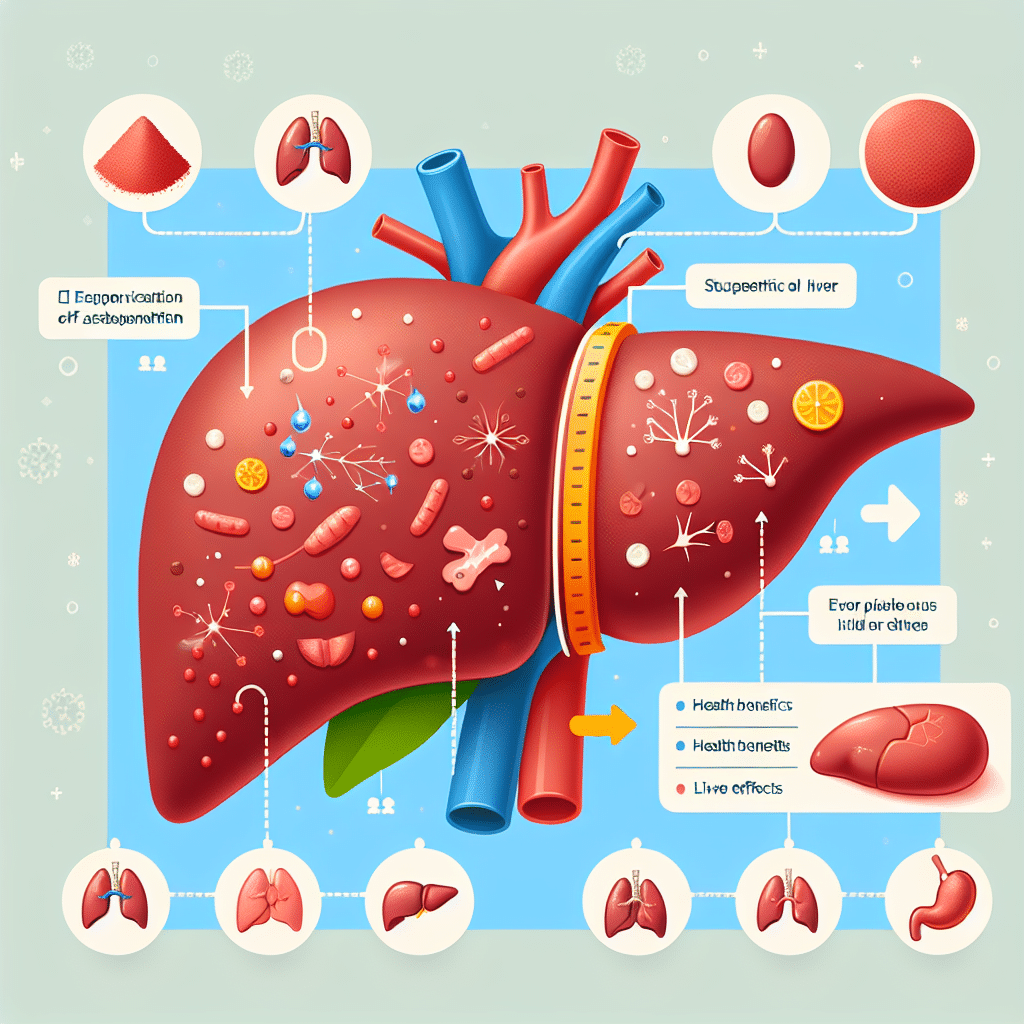
The liver is a vital organ with a broad range of functions, including detoxification, protein synthesis, and the production of biochemicals necessary for digestion. Given its central role in maintaining overall health, protecting the liver from damage is of paramount importance. Astaxanthin, a naturally occurring carotenoid found in certain algae, fish, and crustaceans, has gained attention for its potential liver-protective effects. This article delves into the science behind how astaxanthin affects the liver, supported by research, case studies, and statistics.
The Antioxidant Power of Astaxanthin
Astaxanthin is renowned for its potent antioxidant properties, which are believed to be significantly stronger than those of other well-known antioxidants like vitamin E and beta-carotene. Antioxidants are crucial for neutralizing free radicals, which can cause oxidative stress leading to cellular damage. The liver, being a detoxification center, is particularly susceptible to oxidative stress due to its exposure to toxins and other harmful substances.
- Reduction of Oxidative Stress: Studies have shown that astaxanthin can help reduce oxidative stress in the liver by scavenging free radicals.
- Enhancement of Antioxidant Enzymes: Astaxanthin has been found to increase the activity of antioxidant enzymes such as superoxide dismutase (SOD) and catalase, further protecting liver cells.
Anti-inflammatory Effects of Astaxanthin on the Liver
Inflammation is a natural response to injury or infection, but chronic inflammation can lead to liver damage and diseases such as hepatitis, fibrosis, and cirrhosis. Astaxanthin has demonstrated anti-inflammatory properties that may benefit liver health.
- Inhibition of Inflammatory Cytokines: Research indicates that astaxanthin can suppress the production of pro-inflammatory cytokines in the liver.
- Modulation of Immune Response: Astaxanthin may modulate the immune response, preventing excessive inflammation that can harm liver tissue.
Impact of Astaxanthin on Liver Fat Metabolism
Non-alcoholic fatty liver disease (NAFLD) is a growing concern worldwide, characterized by the accumulation of fat in liver cells. Astaxanthin’s influence on lipid metabolism could be a key factor in managing this condition.
- Reduction of Lipid Accumulation: Studies suggest that astaxanthin can reduce the accumulation of lipids in the liver, which is crucial for preventing NAFLD.
- Improvement of Insulin Sensitivity: By improving insulin sensitivity, astaxanthin may help regulate blood sugar levels and reduce the risk of fatty liver disease associated with diabetes.
Protective Role Against Liver Fibrosis and Cirrhosis
Liver fibrosis, the excessive accumulation of extracellular matrix proteins, can progress to cirrhosis if left unchecked. Astaxanthin’s potential to inhibit the progression of fibrosis is an area of significant interest.
- Inhibition of Hepatic Stellate Cell Activation: Astaxanthin may prevent the activation of hepatic stellate cells, which are responsible for collagen production during fibrosis.
- Prevention of Collagen Deposition: By inhibiting the pathways leading to collagen deposition, astaxanthin could slow the progression of liver fibrosis and cirrhosis.
Case Studies and Clinical Trials
Several clinical trials and case studies have provided insights into the effects of astaxanthin on liver health. For instance, a study published in the “Journal of Nutritional Biochemistry” found that astaxanthin supplementation significantly improved liver enzyme levels and reduced markers of oxidative stress in patients with NAFLD.
Recommended Dosage and Safety
While astaxanthin is generally considered safe, it is essential to adhere to recommended dosages to avoid potential side effects. Most studies suggest a dosage range of 4-12 mg per day for liver health benefits. However, it is always advisable to consult with a healthcare provider before starting any new supplement regimen.
Conclusion: Astaxanthin as a Liver Health Ally
In conclusion, astaxanthin appears to offer multiple protective effects for the liver, including antioxidant, anti-inflammatory, and anti-fibrotic properties. Its role in fat metabolism also makes it a promising supplement for managing conditions like NAFLD. While more research is needed to fully understand its mechanisms and long-term effects, current evidence suggests that astaxanthin could be a valuable addition to liver health strategies.
Discover ETchem’s Protein Products
For those interested in supporting their liver health with high-quality supplements, ETchem’s protein products are worth considering. Their range of collagen products, including marine, fish, bovine, and chicken collagen, offers a variety of options to meet individual dietary preferences and health goals.
About ETChem:
ETChem, a reputable Chinese Collagen factory manufacturer and supplier, is renowned for producing, stocking, exporting, and delivering the highest quality collagens. They include marine collagen, fish collagen, bovine collagen, chicken collagen, type I collagen, type II collagen and type III collagen etc. Their offerings, characterized by a neutral taste, instant solubility attributes, cater to a diverse range of industries. They serve nutraceutical, pharmaceutical, cosmeceutical, veterinary, as well as food and beverage finished product distributors, traders, and manufacturers across Europe, USA, Canada, Australia, Thailand, Japan, Korea, Brazil, and Chile, among others.
ETChem specialization includes exporting and delivering tailor-made collagen powder and finished collagen nutritional supplements. Their extensive product range covers sectors like Food and Beverage, Sports Nutrition, Weight Management, Dietary Supplements, Health and Wellness Products, ensuring comprehensive solutions to meet all your protein needs.
As a trusted company by leading global food and beverage brands and Fortune 500 companies, ETChem reinforces China’s reputation in the global arena. For more information or to sample their products, please contact them and email karen(at)et-chem.com today.