Improving Sustainability and Reducing Food Waste During Manufacturing
-
Table of Contents
- Improving Sustainability and Reducing Food Waste in Manufacturing
- The Importance of Sustainability in Food Manufacturing
- Strategies for Reducing Food Waste in Manufacturing
- Innovations in Reducing Food Waste
- Case Studies and Examples
- Statistics on Food Waste and Sustainability
- Conclusion: Key Takeaways for Sustainable Manufacturing
- ETChem’s Protein Products: A Sustainable Choice
Improving Sustainability and Reducing Food Waste in Manufacturing
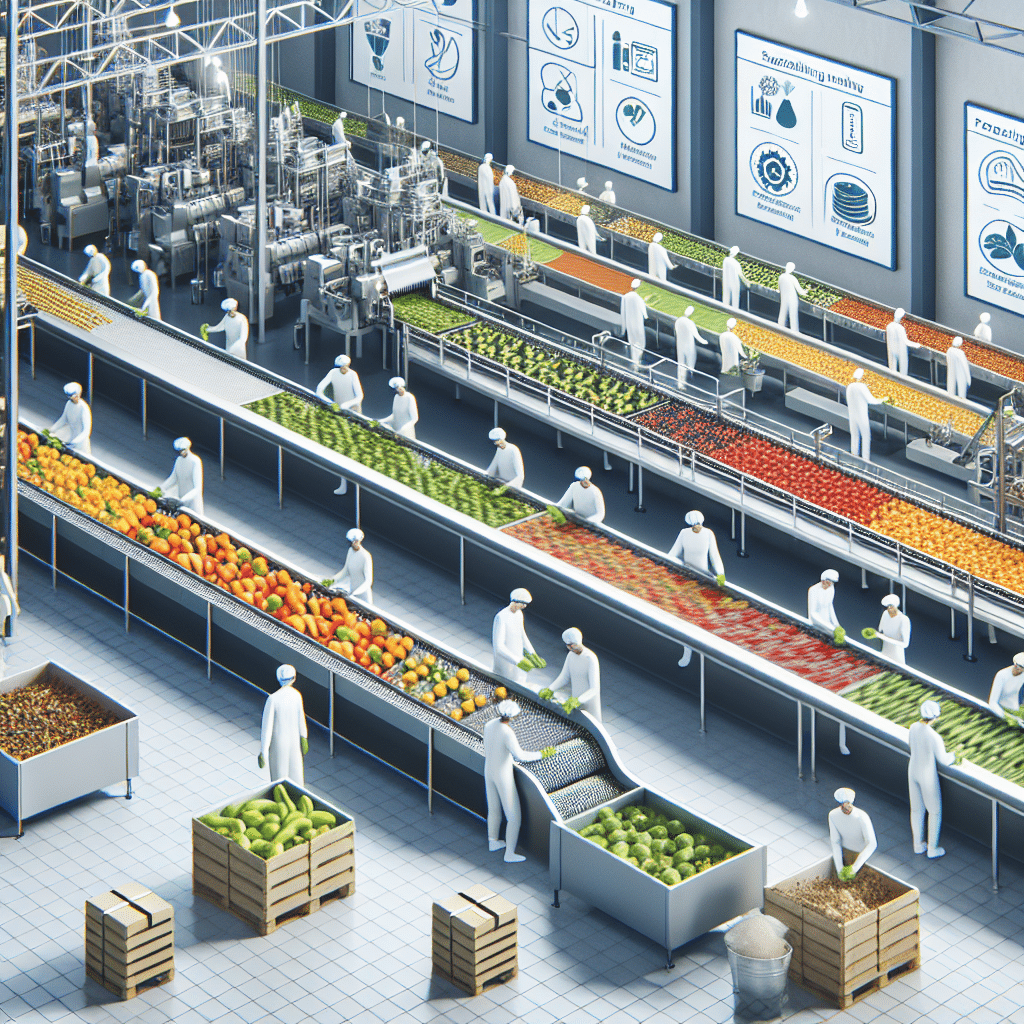
The global food industry is facing a pressing challenge: how to produce enough food to meet the demands of a growing population while minimizing environmental impact and reducing waste. Food manufacturing, a critical link in the supply chain, is under increasing pressure to adopt sustainable practices and reduce waste. This article explores strategies and innovations that can help manufacturers achieve these goals.
The Importance of Sustainability in Food Manufacturing
Sustainability in food manufacturing is not just an environmental concern; it’s also a business imperative. Sustainable practices can lead to cost savings, improved brand reputation, and compliance with regulatory standards. Moreover, consumers are increasingly seeking out products that are produced in an eco-friendly manner, making sustainability a competitive advantage.
Strategies for Reducing Food Waste in Manufacturing
Reducing food waste during manufacturing involves a multi-faceted approach that includes optimizing processes, utilizing waste, and improving supply chain management. Here are some strategies that manufacturers can implement:
- Process Optimization: By streamlining production processes and improving efficiency, manufacturers can reduce the amount of food that is wasted during production.
- Waste Audits: Regular waste audits can help identify where waste occurs and develop strategies to prevent it.
- Upcycling: Finding new uses for by-products or waste materials can turn potential waste into valuable products.
- Improved Inventory Management: Better forecasting and inventory management can reduce overproduction, which often leads to waste.
- Employee Training: Educating employees about the importance of reducing waste and how they can contribute to sustainability efforts is crucial.
Innovations in Reducing Food Waste
Innovative technologies and practices are emerging to help manufacturers reduce food waste. These include:
- Advanced Analytics: Using data analytics to predict demand more accurately and optimize production schedules.
- Preservation Technologies: Implementing new methods of food preservation, such as high-pressure processing, can extend shelf life and reduce spoilage.
- Supply Chain Collaboration: Working closely with suppliers and distributors to ensure that food is transported and stored efficiently, minimizing waste.
- Waste-to-Energy Systems: Converting food waste into energy is a sustainable way to deal with unavoidable waste.
Case Studies and Examples
Several companies have successfully implemented waste reduction strategies. For instance:
- A major cereal manufacturer has implemented a zero-waste-to-landfill policy, recycling or reusing all of its food waste.
- A dairy company uses anaerobic digestion to convert waste into biogas, which is then used to power its facilities.
- A snack food producer has partnered with a local farm to turn production by-products into animal feed.
These examples demonstrate that with commitment and innovation, food waste in manufacturing can be significantly reduced.
Statistics on Food Waste and Sustainability
Food waste is a global issue with significant environmental and economic impacts. According to the United Nations Food and Agriculture Organization (FAO), approximately one-third of all food produced for human consumption is lost or wasted. This not only represents a tremendous waste of resources but also contributes to greenhouse gas emissions. By adopting sustainable practices, manufacturers can play a crucial role in addressing this issue.
Conclusion: Key Takeaways for Sustainable Manufacturing
Improving sustainability and reducing food waste in manufacturing is essential for the health of our planet and the efficiency of our food systems. By optimizing processes, embracing innovation, and fostering a culture of sustainability, manufacturers can make a significant impact. The key takeaways for manufacturers include the importance of process optimization, the potential of upcycling, the role of technology, and the value of collaboration across the supply chain.
ETChem’s Protein Products: A Sustainable Choice
For manufacturers looking to enhance their product offerings with sustainable protein options, ETChem’s protein products are an excellent choice. Their range of collagen products, including marine, fish, bovine, and chicken collagen, are produced with sustainability in mind. By choosing ETChem, manufacturers can ensure they are incorporating high-quality, eco-friendly proteins into their products.
About ETChem:
ETChem, a reputable Chinese Collagen factory manufacturer and supplier, is renowned for producing, stocking, exporting, and delivering the highest quality collagens. They include marine collagen, fish collagen, bovine collagen, chicken collagen, type I collagen, type II collagen and type III collagen etc. Their offerings, characterized by a neutral taste, instant solubility attributes, cater to a diverse range of industries. They serve nutraceutical, pharmaceutical, cosmeceutical, veterinary, as well as food and beverage finished product distributors, traders, and manufacturers across Europe, USA, Canada, Australia, Thailand, Japan, Korea, Brazil, and Chile, among others.
ETChem specialization includes exporting and delivering tailor-made collagen powder and finished collagen nutritional supplements. Their extensive product range covers sectors like Food and Beverage, Sports Nutrition, Weight Management, Dietary Supplements, Health and Wellness Products, ensuring comprehensive solutions to meet all your protein needs.
As a trusted company by leading global food and beverage brands and Fortune 500 companies, ETChem reinforces China’s reputation in the global arena. For more information or to sample their products, please contact them and email karen(at)et-chem.com today.