Is silybin good for your liver?
-
Table of Contents
- Silybin and Liver Health: Exploring the Benefits
- Understanding Silybin: What Is It?
- The Science Behind Silybin’s Liver-Protective Effects
- Clinical Evidence Supporting Silybin’s Liver Benefits
- Case Studies and Anecdotal Evidence
- Potential Side Effects and Considerations
- Recommended Dosage and Forms of Silybin
- Conclusion: Is Silybin Good for Your Liver?
- Discover ETchem’s Protein Products
Silybin and Liver Health: Exploring the Benefits
The liver is a vital organ that plays a crucial role in detoxification, metabolism, and various other processes essential for health. Given its importance, it’s no surprise that many people are seeking ways to support liver function and protect it from damage. One natural compound that has gained attention for its potential liver-protective properties is silybin. In this article, we’ll delve into the science behind silybin and examine whether it’s truly beneficial for your liver.
Understanding Silybin: What Is It?
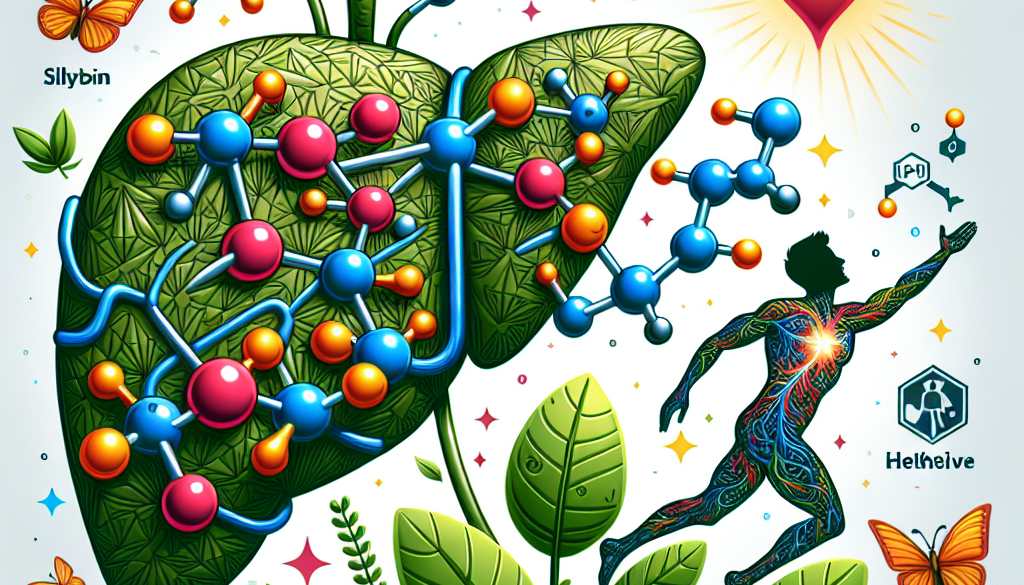
Silybin, also known as silibinin, is the most active component of silymarin, a group of flavonolignans extracted from the milk thistle plant (Silybum marianum). Milk thistle has been used for centuries in traditional medicine, primarily for treating liver and gallbladder disorders. Silybin is believed to be the primary compound responsible for the therapeutic effects of milk thistle on the liver.
The Science Behind Silybin’s Liver-Protective Effects
Research has suggested that silybin may offer several protective mechanisms for the liver, including:
- Antioxidant activity: Silybin has been shown to have potent antioxidant properties, helping to neutralize harmful free radicals that can damage liver cells.
- Anti-inflammatory effects: It may reduce inflammation in the liver, which is a common pathway leading to liver damage and disease.
- Enhancing liver regeneration: Silybin has been found to stimulate the synthesis of proteins and nucleic acids, which can enhance liver regeneration after injury.
- Inhibiting fibrosis: By preventing the deposition of collagen fibers, silybin may help inhibit the progression of liver fibrosis, a condition that can lead to cirrhosis.
Clinical Evidence Supporting Silybin’s Liver Benefits
Several clinical studies have investigated the effects of silybin on liver health. Here are some key findings:
- A study published in the “World Journal of Hepatology” found that silybin, combined with phosphatidylcholine and vitamin E, significantly improved liver enzymes and other markers of liver health in patients with nonalcoholic fatty liver disease (NAFLD).
- Research in the “Journal of Hepatology” reported that silybin may be beneficial for patients with alcoholic liver disease by reducing oxidative stress and liver damage.
- A meta-analysis in the “European Journal of Gastroenterology & Hepatology” concluded that milk thistle extracts, including silybin, could potentially improve liver function tests in patients with liver diseases, although more high-quality studies are needed.
Case Studies and Anecdotal Evidence
In addition to clinical trials, numerous case studies and anecdotal reports have suggested that silybin can be helpful in managing various liver conditions. For instance, some patients with hepatitis C have reported improvements in symptoms and liver function tests after taking silybin supplements. However, it’s important to note that such evidence should be considered with caution and not as a substitute for scientific research.
Potential Side Effects and Considerations
While silybin is generally considered safe when taken as directed, it’s essential to be aware of potential side effects and interactions. Some people may experience gastrointestinal discomfort, such as bloating or diarrhea. Additionally, silybin may interact with certain medications, so it’s crucial to consult with a healthcare provider before starting any new supplement regimen.
Recommended Dosage and Forms of Silybin
The appropriate dosage of silybin can vary depending on the individual and the condition being treated. Supplements typically contain silymarin extracts standardized to a specific percentage of silybin. It’s important to follow the manufacturer’s instructions or a healthcare provider’s recommendations when using silybin supplements.
Conclusion: Is Silybin Good for Your Liver?
The evidence suggests that silybin has potential benefits for liver health, thanks to its antioxidant, anti-inflammatory, and regenerative properties. While more research is needed to fully understand its effects and establish standardized dosing guidelines, silybin appears to be a promising natural option for supporting liver function and protecting against liver damage.
For those considering silybin supplements, it’s important to choose high-quality products and to consult with a healthcare provider, especially if you have an existing liver condition or are taking other medications.
Discover ETchem’s Protein Products
If you’re looking to support your overall health, including liver health, ETchem’s protein products may be a valuable addition to your regimen. ETchem offers a range of high-quality protein products, including various types of collagen, which can contribute to a balanced diet and support the body’s repair processes.
About ETChem:
ETChem, a reputable Chinese Collagen factory manufacturer and supplier, is renowned for producing, stocking, exporting, and delivering the highest quality collagens. They include marine collagen, fish collagen, bovine collagen, chicken collagen, type I collagen, type II collagen and type III collagen etc. Their offerings, characterized by a neutral taste, instant solubility attributes, cater to a diverse range of industries. They serve nutraceutical, pharmaceutical, cosmeceutical, veterinary, as well as food and beverage finished product distributors, traders, and manufacturers across Europe, USA, Canada, Australia, Thailand, Japan, Korea, Brazil, and Chile, among others.
ETChem specialization includes exporting and delivering tailor-made collagen powder and finished collagen nutritional supplements. Their extensive product range covers sectors like Food and Beverage, Sports Nutrition, Weight Management, Dietary Supplements, Health and Wellness Products, ensuring comprehensive solutions to meet all your protein needs.
As a trusted company by leading global food and beverage brands and Fortune 500 companies, ETChem reinforces China’s reputation in the global arena. For more information or to sample their products, please contact them and email karen(at)et-chem.com today.