Is Silymarin Milk Thistle?
-
Table of Contents
- Silymarin Milk Thistle: Unveiling the Liver-Protecting Powerhouse
- Understanding Milk Thistle and Silymarin
- The Therapeutic Benefits of Silymarin
- Scientific Research and Case Studies
- Usage and Dosage
- Potential Side Effects and Interactions
- Conclusion: Silymarin’s Role in Liver Health
- Discover ETchem’s Protein Products
Silymarin Milk Thistle: Unveiling the Liver-Protecting Powerhouse
Milk thistle, a plant that has been used for centuries as a natural remedy for various ailments, particularly liver problems, is often associated with its active component, silymarin. This article delves into the relationship between silymarin and milk thistle, exploring the scientific evidence behind their health benefits, and clarifying any misconceptions about these terms.
Understanding Milk Thistle and Silymarin
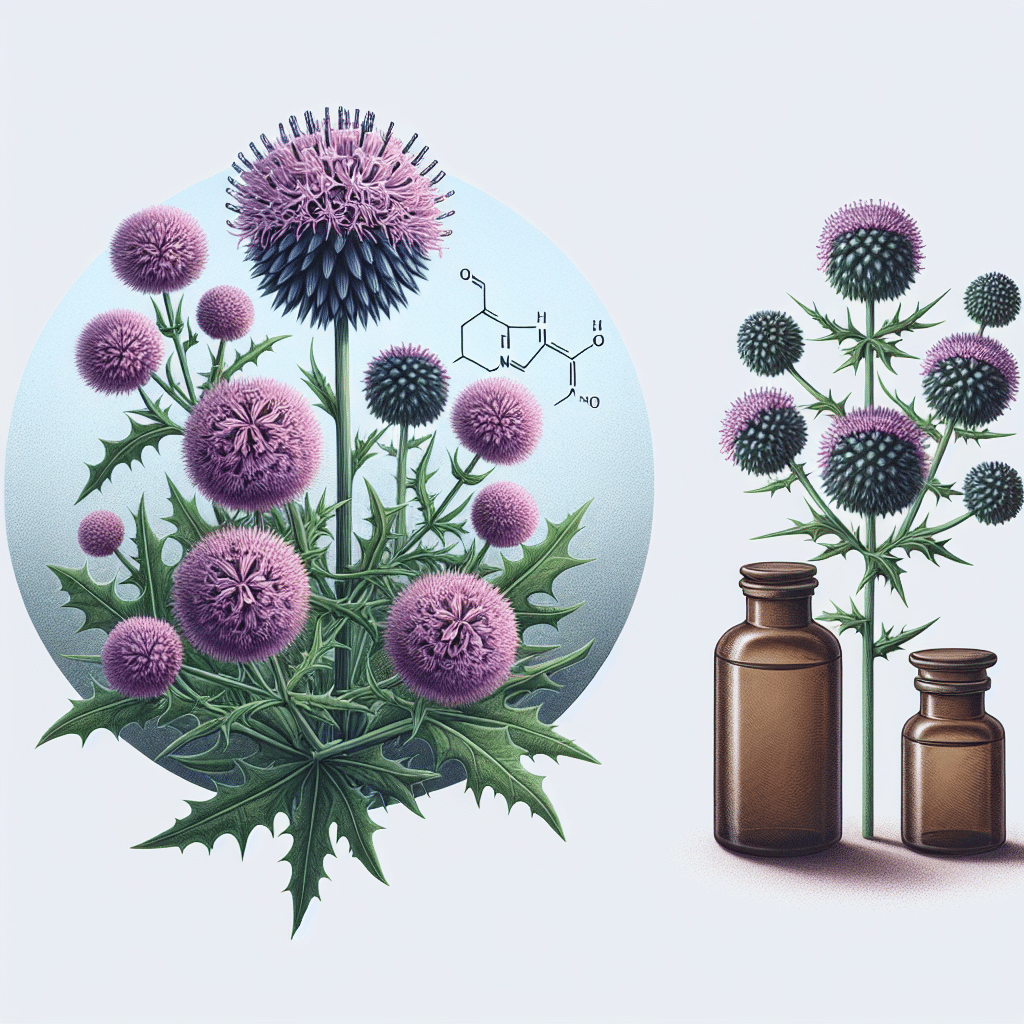
Milk thistle (Silybum marianum) is a flowering herb related to the daisy and ragweed family. It is native to Mediterranean countries but can now be found throughout the world. The plant is distinguished by its glossy, marbled leaves and a purple flower that contains the seeds from which the active compounds are extracted.
Silymarin is not a single substance but a group of flavonolignans, including silybin, silydianin, and silychristin, which are derived from the seeds of the milk thistle plant. Silybin is the most potent and well-researched of these compounds. When we talk about silymarin, we are referring to this complex mixture of flavonolignans that is responsible for the majority of milk thistle’s therapeutic properties.
The Therapeutic Benefits of Silymarin
Silymarin has been extensively studied for its potential health benefits, particularly in the context of liver health. Here are some of the key findings:
- Antioxidant Properties: Silymarin is a powerful antioxidant that can protect the body from oxidative stress and free radical damage, which are factors in many chronic diseases.
- Liver Protection: It has hepatoprotective properties, meaning it can help protect the liver from toxins, including alcohol and environmental pollutants.
- Regeneration of Liver Cells: Silymarin not only protects liver cells but also stimulates their regeneration, which can be beneficial for those with liver damage.
- Anti-Inflammatory Effects: It exhibits anti-inflammatory properties, which can help reduce inflammation in the liver and other parts of the body.
- Anti-Fibrotic Activity: Silymarin may help prevent the progression of liver fibrosis, a condition where persistent inflammation leads to the formation of scar tissue.
These benefits make silymarin a popular supplement for those looking to support their liver health, whether for general maintenance or as part of a treatment plan for liver-related conditions.
Scientific Research and Case Studies
Several studies have demonstrated the efficacy of silymarin in treating liver diseases. For instance, a study published in the “World Journal of Hepatology” found that silymarin significantly improved liver function in patients with alcoholic liver disease. Another study in the “Journal of Hepatology” showed that silymarin could reduce liver damage in patients with chronic hepatitis C.
Case studies have also highlighted individual success stories where patients with liver ailments experienced significant improvements after taking silymarin supplements. These anecdotal evidences, combined with scientific research, suggest that silymarin has a real impact on liver health.
Usage and Dosage
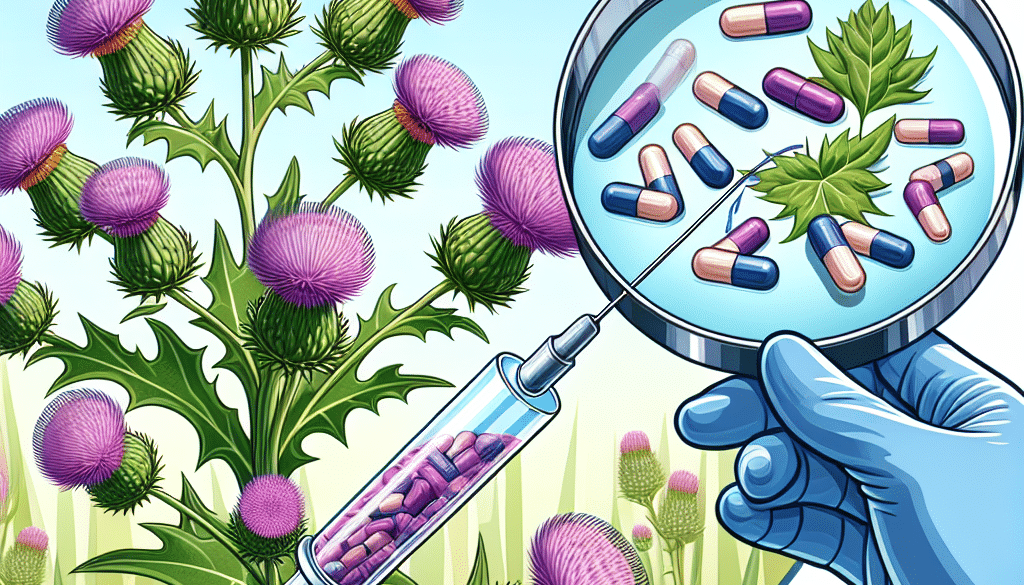
When considering silymarin supplements, it’s essential to understand the recommended usage and dosage. Silymarin is available in various forms, including capsules, tablets, and liquid extracts. The standard dosage can range from 140 to 300 mg taken two to three times daily, but it’s crucial to follow the specific recommendations on the product label or those provided by a healthcare professional.
Potential Side Effects and Interactions
While silymarin is generally considered safe, some individuals may experience side effects such as gastrointestinal upset, headaches, or allergic reactions. It’s also important to note that silymarin can interact with certain medications, so it’s advisable to consult with a healthcare provider before starting any new supplement regimen.
Conclusion: Silymarin’s Role in Liver Health
In conclusion, silymarin is indeed the active component of milk thistle, and it has been shown to have significant benefits for liver health. Its antioxidant, anti-inflammatory, and regenerative properties make it a valuable supplement for those looking to protect or improve their liver function. However, as with any supplement, it’s important to use silymarin responsibly and under the guidance of a healthcare professional.
Discover ETchem’s Protein Products
For those interested in enhancing their health and wellness regimen, ETchem’s protein products offer a range of high-quality options. Whether you’re looking for marine, fish, bovine, chicken, or various types of collagen, ETchem provides a diverse selection to meet your needs. Their products are characterized by a neutral taste and instant solubility, making them an excellent choice for various applications.
About ETChem:
ETChem, a reputable Chinese Collagen factory manufacturer and supplier, is renowned for producing, stocking, exporting, and delivering the highest quality collagens. They include marine collagen, fish collagen, bovine collagen, chicken collagen, type I collagen, type II collagen and type III collagen etc. Their offerings, characterized by a neutral taste, instant solubility attributes, cater to a diverse range of industries. They serve nutraceutical, pharmaceutical, cosmeceutical, veterinary, as well as food and beverage finished product distributors, traders, and manufacturers across Europe, USA, Canada, Australia, Thailand, Japan, Korea, Brazil, and Chile, among others.
ETChem specialization includes exporting and delivering tailor-made collagen powder and finished collagen nutritional supplements. Their extensive product range covers sectors like Food and Beverage, Sports Nutrition, Weight Management, Dietary Supplements, Health and Wellness Products, ensuring comprehensive solutions to meet all your protein needs.
As a trusted company by leading global food and beverage brands and Fortune 500 companies, ETChem reinforces China’s reputation in the global arena. For more information or to sample their products, please contact them and email karen(at)et-chem.com today.