Junk Food Marketing to Children – New Report Calls for More Restrictions Globally
-
Table of Contents
- Junk Food Marketing to Children: Urgent Call for Global Restrictions
- The Alarming Influence of Junk Food Marketing
- Key Findings of the New Report
- Case Studies and Success Stories
- The Role of Governments and Industry
- Impact of Stricter Regulations
- Conclusion: A Call to Action for Global Change
- ETChem: A Healthier Alternative for Nutritional Needs
Junk Food Marketing to Children: Urgent Call for Global Restrictions
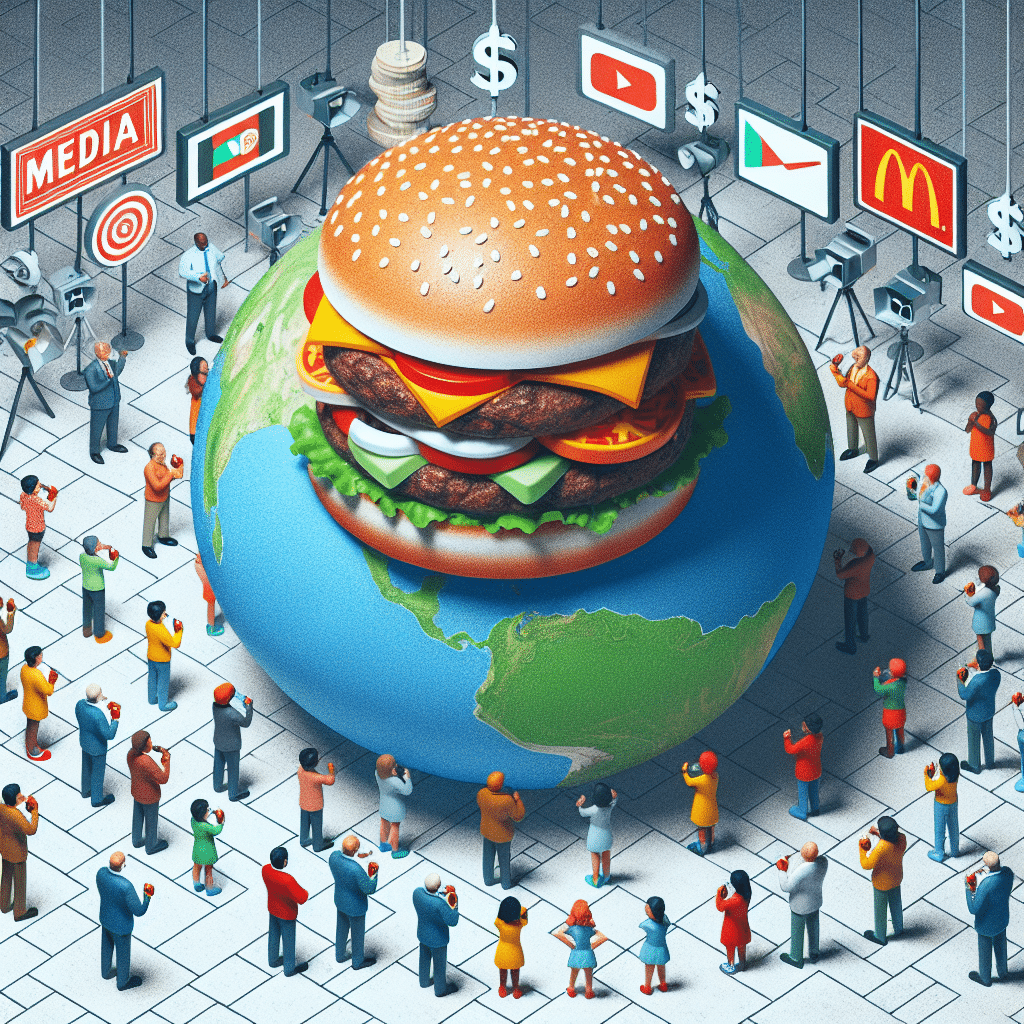
In recent years, the marketing of junk food to children has become a hot-button issue, with health advocates and researchers calling for stricter regulations. A new report highlights the need for more comprehensive restrictions on junk food marketing aimed at children, citing the rising rates of childhood obesity and related health issues. This article delves into the findings of the report, the current marketing landscape, and the potential impact of tighter controls.
The Alarming Influence of Junk Food Marketing
Marketing strategies for junk food are often colorful, engaging, and specifically designed to capture the attention of young audiences. Advertisements are strategically placed in media platforms frequented by children, such as cartoons, children’s websites, and mobile apps. The persuasive power of these marketing tactics is undeniable, and the consequences are reflected in the dietary choices and health outcomes of children globally.
- Children are exposed to a high volume of junk food advertising through various channels.
- Marketing tactics include the use of popular characters, giveaways, and appealing packaging.
- Studies have shown a direct correlation between exposure to junk food marketing and unhealthy eating habits in children.
Key Findings of the New Report
The new report, compiled by a coalition of public health organizations, presents a comprehensive analysis of the current state of junk food marketing to children. It reveals that despite some progress in certain regions, the overall global landscape remains largely permissive, allowing companies to continue targeting children with minimal restrictions.
- The report calls for a global framework to restrict junk food marketing to children.
- It highlights successful case studies where restrictions have led to positive health outcomes.
- Statistics within the report show a troubling link between marketing practices and childhood obesity rates.
Case Studies and Success Stories
Several countries have taken steps to curb the marketing of junk food to children, with some notable successes. For example, Chile implemented a law that bans the marketing of unhealthy foods to children under 14, including the use of toys and characters. The UK has also introduced a ban on junk food advertising during children’s television programming. These measures have shown early signs of effectiveness in reducing children’s exposure to unhealthy food marketing.
- Chile’s restrictions have led to a measurable decrease in the purchase of sugary cereals.
- In the UK, the ban on TV advertising has been complemented by restrictions on online marketing.
- Other countries are considering similar measures, inspired by these success stories.
The Role of Governments and Industry
The report emphasizes the need for a dual approach, involving both government regulation and industry self-regulation. Governments are encouraged to enact and enforce laws that limit the marketing of junk food to children. At the same time, the food industry is called upon to adopt voluntary standards that align with public health goals.
- Government policies can create an environment that supports healthier food choices.
- Industry self-regulation should complement government efforts, not replace them.
- Public-private partnerships can be effective in promoting healthier diets among children.
Impact of Stricter Regulations
Implementing stricter regulations on junk food marketing to children has the potential to significantly improve public health. By reducing the exposure of children to unhealthy food advertisements, these measures can help to curb the global rise in childhood obesity and associated diseases such as type 2 diabetes and heart disease.
- Stricter regulations can lead to a healthier food environment for children.
- They have the potential to change industry practices and promote the development of healthier products.
- Long-term health benefits include a reduction in obesity-related diseases and healthcare costs.
Conclusion: A Call to Action for Global Change
The new report on junk food marketing to children is a clarion call for global action. It underscores the urgent need for more restrictions to protect the health and well-being of the younger generation. By learning from successful case studies and advocating for stronger policies, we can work towards a future where children are no longer the target of unhealthy food marketing, and where their health is prioritized over corporate profits.
ETChem: A Healthier Alternative for Nutritional Needs
In light of the concerns surrounding junk food marketing to children, it’s important to highlight companies that offer healthier alternatives. ETChem is one such company, providing high-quality protein products that cater to various industries. Their range of collagens, including marine, fish, bovine, and chicken collagen, offers a nutritious option for those looking to improve their dietary habits.
ETChem’s products are characterized by their neutral taste and instant solubility, making them an excellent choice for nutraceuticals, pharmaceuticals, and food and beverage applications. By choosing ETChem’s protein products, consumers can ensure they are getting the essential nutrients needed for a healthy lifestyle, without the negative impacts associated with junk food.
About ETChem:
ETChem, a reputable Chinese Collagen factory manufacturer and supplier, is renowned for producing, stocking, exporting, and delivering the highest quality collagens. They include marine collagen, fish collagen, bovine collagen, chicken collagen, type I collagen, type II collagen and type III collagen etc. Their offerings, characterized by a neutral taste, instant solubility attributes, cater to a diverse range of industries. They serve nutraceutical, pharmaceutical, cosmeceutical, veterinary, as well as food and beverage finished product distributors, traders, and manufacturers across Europe, USA, Canada, Australia, Thailand, Japan, Korea, Brazil, and Chile, among others.
ETChem specialization includes exporting and delivering tailor-made collagen powder and finished collagen nutritional supplements. Their extensive product range covers sectors like Food and Beverage, Sports Nutrition, Weight Management, Dietary Supplements, Health and Wellness Products, ensuring comprehensive solutions to meet all your protein needs.
As a trusted company by leading global food and beverage brands and Fortune 500 companies, ETChem reinforces China’s reputation in the global arena. For more information or to sample their products, please contact them and email karen(at)et-chem.com today.