
Marine Versus Bovine Collagen: The Deep Dive Comparison
-
Table of Contents
- Marine vs. Bovine Collagen: An In-Depth Comparison
- Understanding Collagen and Its Importance
- Marine Collagen: Sourced from the Sea
- Bovine Collagen: Land-Based Protein Powerhouse
- Comparing Marine and Bovine Collagen
- Scientific Research and Case Studies
- Applications in Health and Beauty
- Conclusion: Choosing the Right Collagen for You
- Discover ETchem’s Premium Protein Products
Marine vs. Bovine Collagen: An In-Depth Comparison
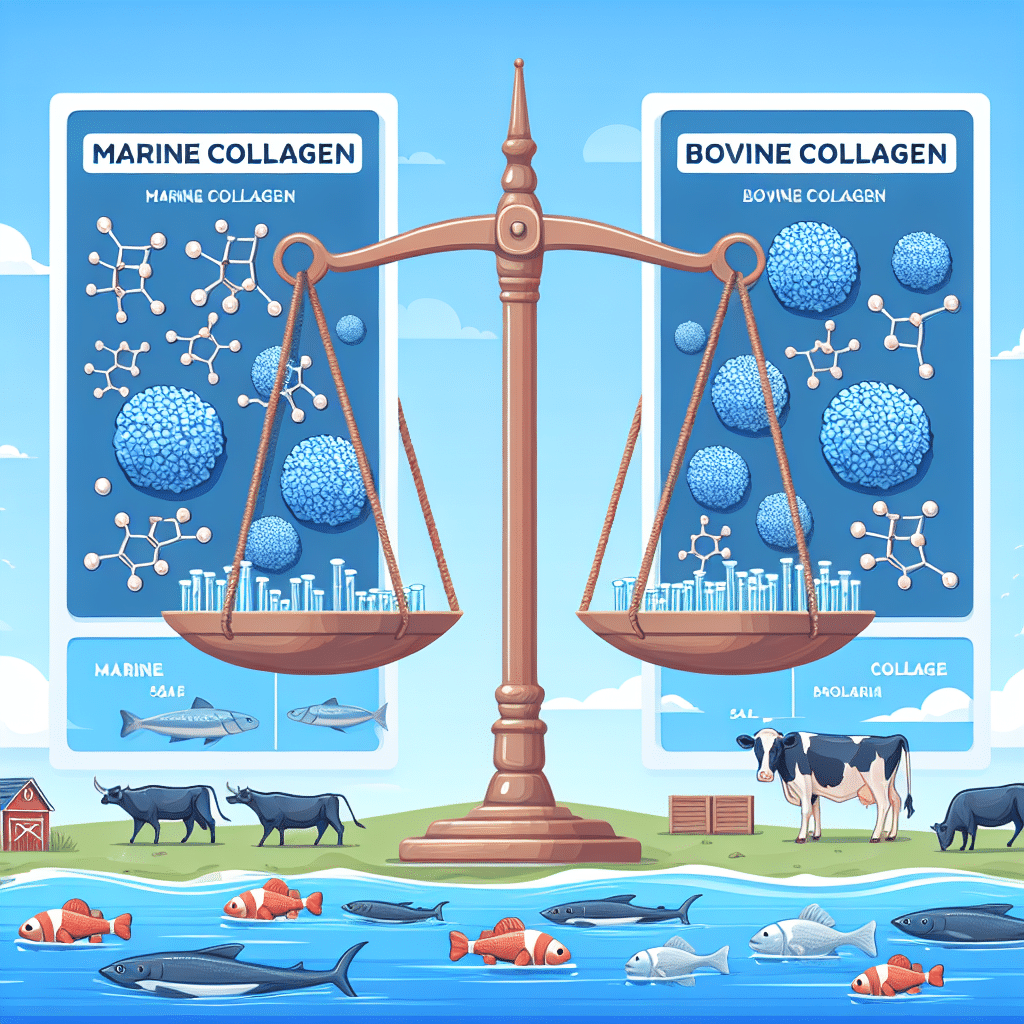
Collagen supplements have become a staple in the health and wellness industry, with their promises of improved skin elasticity, joint health, and overall vitality. Among the various sources of collagen, marine and bovine collagens are the most popular. This article delves into the differences between marine and bovine collagen, exploring their benefits, sourcing, and applications to help you make an informed decision.
Understanding Collagen and Its Importance
Collagen is the most abundant protein in the human body, playing a crucial role in maintaining the structure and integrity of skin, bones, tendons, and ligaments. As we age, our body’s natural collagen production declines, leading to signs of aging such as wrinkles and joint pain. Supplementing with collagen can help counteract these effects.
Marine Collagen: Sourced from the Sea
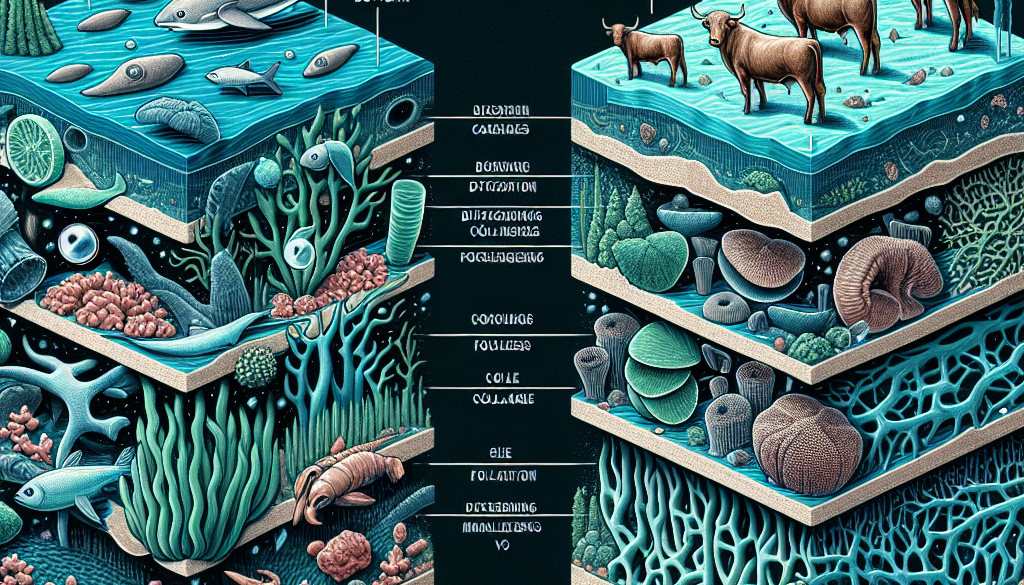
Marine collagen is derived from fish skin, scales, or bones. It is primarily type I collagen, which is similar to the collagen found in human skin and bones. Here are some key aspects of marine collagen:
- Sustainability: Often sourced from byproducts of the fishing industry, marine collagen can be a more sustainable option compared to other animal collagens.
- Bioavailability: Marine collagen has a smaller particle size, which may lead to better absorption and bioavailability in the body.
- Benefits: It is known for its positive effects on skin health, including hydration and elasticity, and may also support bone health.
Bovine Collagen: Land-Based Protein Powerhouse
Bovine collagen is extracted from cowhide, bones, or muscles and is rich in types I and III collagen. These types are essential for skin, muscle, and bone health. Bovine collagen’s characteristics include:
- Source: Typically sourced from cattle, bovine collagen production can be influenced by the animal’s diet and living conditions.
- Cost-Effectiveness: Bovine collagen is often more affordable than marine collagen, making it accessible to a broader audience.
- Benefits: It supports skin health, promotes wound healing, and may aid in building muscle mass and strength.
Comparing Marine and Bovine Collagen
When comparing marine and bovine collagen, several factors come into play, including their amino acid profiles, potential allergens, and dietary preferences:
- Amino Acid Profile: Both types of collagen have a high concentration of glycine, proline, and hydroxyproline, but marine collagen typically has a higher content of glycine.
- Allergens: Marine collagen may not be suitable for those with fish allergies, while bovine collagen may be a concern for individuals with beef allergies.
- Dietary Restrictions: Marine collagen is often preferred by pescatarians, while bovine collagen is not suitable for those following a vegetarian or vegan diet.
Scientific Research and Case Studies
Several studies have highlighted the benefits of both marine and bovine collagen. For instance, a study published in the Journal of Agricultural and Food Chemistry found that marine collagen peptides could help improve skin hydration and elasticity. Another study in the journal Nutrients showed that bovine collagen supplementation could promote joint health and reduce pain in athletes.
Applications in Health and Beauty
Both marine and bovine collagens are used in various health and beauty products. Marine collagen is often found in skincare products due to its skin-friendly type I collagen, while bovine collagen is commonly used in protein powders and supplements aimed at muscle and joint health.
Conclusion: Choosing the Right Collagen for You
In conclusion, both marine and bovine collagen offer unique benefits and can be valuable additions to your health regimen. The choice between them depends on factors such as dietary preferences, allergen considerations, and specific health goals. By understanding the differences, you can select the collagen source that aligns best with your needs.
Discover ETchem’s Premium Protein Products
If you’re looking to incorporate high-quality collagen into your diet, ETchem’s protein products are an excellent choice. With a range of collagen types, including marine and bovine, ETchem caters to various dietary needs and preferences. Their products are characterized by neutral taste and instant solubility, making them a convenient addition to your daily routine.
About ETChem:
ETChem, a reputable Chinese Collagen factory manufacturer and supplier, is renowned for producing, stocking, exporting, and delivering the highest quality collagens. They include marine collagen, fish collagen, bovine collagen, chicken collagen, type I collagen, type II collagen and type III collagen etc. Their offerings, characterized by a neutral taste, instant solubility attributes, cater to a diverse range of industries. They serve nutraceutical, pharmaceutical, cosmeceutical, veterinary, as well as food and beverage finished product distributors, traders, and manufacturers across Europe, USA, Canada, Australia, Thailand, Japan, Korea, Brazil, and Chile, among others.
ETChem specialization includes exporting and delivering tailor-made collagen powder and finished collagen nutritional supplements. Their extensive product range covers sectors like Food and Beverage, Sports Nutrition, Weight Management, Dietary Supplements, Health and Wellness Products, ensuring comprehensive solutions to meet all your protein needs.
As a trusted company by leading global food and beverage brands and Fortune 500 companies, ETChem reinforces China’s reputation in the global arena. For more information or to sample their products, please contact them and email karen(at)et-chem.com today.