Nutrition for Plant-based Diets: Managing Nutrient Intake and Bioavailability
-
Table of Contents
- Nutrition for Plant-Based Diets: Ensuring Adequate Nutrient Intake
- Understanding Nutrient Bioavailability in Plant-Based Diets
- Key Nutrients to Monitor
- Strategies for Enhancing Nutrient Absorption
- Food Preparation and Cooking Techniques
- Combining Foods for Complementary Nutrients
- Supplementation and Fortified Foods
- Supplements for Plant-Based Diets
- Fortified Foods as Nutrient Sources
- Case Studies and Statistics
- Conclusion: Balancing a Plant-Based Diet for Optimal Nutrition
- ETChem’s Protein Products for Plant-Based Diets
Nutrition for Plant-Based Diets: Ensuring Adequate Nutrient Intake
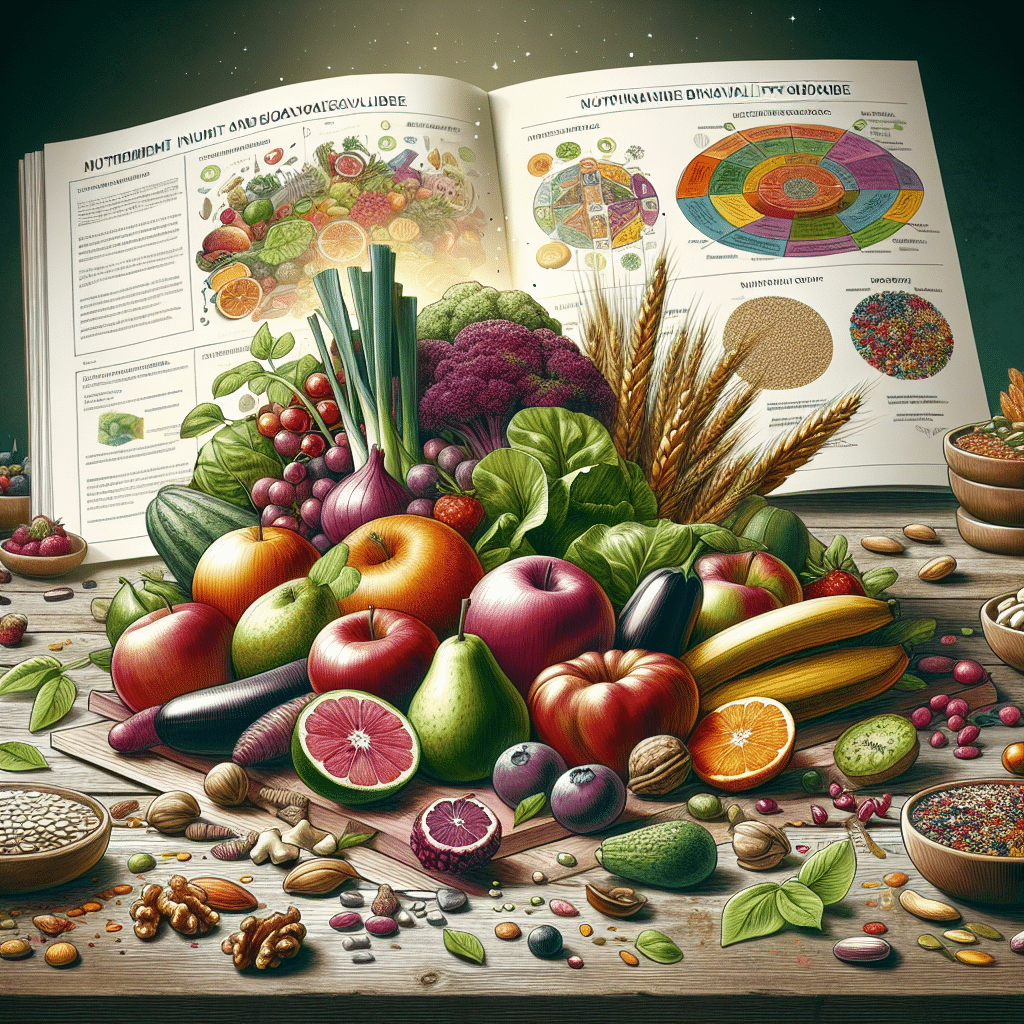
Adopting a plant-based diet can offer numerous health benefits, including a lower risk of heart disease, hypertension, diabetes, and certain types of cancer. However, individuals following a plant-based diet must be mindful of their nutrient intake and bioavailability to ensure they are meeting their nutritional needs. This article explores the key considerations for managing nutrient intake and bioavailability in plant-based diets.
Understanding Nutrient Bioavailability in Plant-Based Diets
Nutrient bioavailability refers to the proportion of a nutrient that is absorbed from the diet and used for normal body functions. In plant-based diets, certain factors can affect the bioavailability of nutrients, such as the presence of antinutrients, which can inhibit absorption, and the form in which nutrients are found in plant foods.
Key Nutrients to Monitor
- Protein: While many plant foods contain protein, they may not provide all essential amino acids. Combining different plant proteins can ensure a complete amino acid profile.
- Iron: Plant-based iron (non-heme iron) is less readily absorbed than the heme iron found in animal products. Consuming vitamin C-rich foods alongside iron-rich plant foods can enhance absorption.
- Calcium: Some plant-based sources of calcium have lower bioavailability. Leafy greens, fortified plant milks, and tofu are good sources of calcium for those on a plant-based diet.
- Vitamin B12: This vitamin is not naturally found in plant foods. Supplementation or consumption of fortified foods is necessary for those following a strict plant-based diet.
- Omega-3 Fatty Acids: ALA (alpha-linolenic acid), a plant-based omega-3, needs to be converted to EPA and DHA in the body. Flaxseeds, chia seeds, and walnuts are good sources of ALA.
- Zinc: Plant-based sources of zinc include legumes, nuts, and seeds. Soaking or fermenting these foods can improve zinc bioavailability.
Strategies for Enhancing Nutrient Absorption
There are several strategies that individuals on plant-based diets can employ to enhance the absorption of nutrients and ensure they are meeting their dietary requirements.
Food Preparation and Cooking Techniques
- Soaking and sprouting legumes, nuts, and seeds can reduce antinutrients and improve nutrient bioavailability.
- Fermenting foods can also enhance the absorption of minerals such as iron and zinc.
- Cooking methods that use minimal water, such as steaming, can help preserve water-soluble vitamins like vitamin C and B vitamins.
Combining Foods for Complementary Nutrients
- Eating vitamin C-rich foods with iron-rich plant foods can increase the absorption of non-heme iron.
- Including sources of healthy fats with meals can aid in the absorption of fat-soluble vitamins A, D, E, and K.
- Combining different plant proteins throughout the day can provide a complete set of essential amino acids.
Supplementation and Fortified Foods
While a well-planned plant-based diet can meet most nutritional needs, there are certain nutrients that may require supplementation or the consumption of fortified foods.
Supplements for Plant-Based Diets
- Vitamin B12 supplements are often recommended for those on a strict plant-based diet.
- Algae-based omega-3 supplements can provide EPA and DHA for those not consuming fish.
- Calcium and vitamin D supplements may be necessary for individuals with limited exposure to fortified foods or sunlight.
Fortified Foods as Nutrient Sources
- Plant milks and breakfast cereals are commonly fortified with vitamins B12, D, and calcium.
- Nutritional yeast is a popular condiment that is often fortified with B vitamins, including B12.
- Some plant-based meat alternatives are fortified with iron and zinc to mimic the nutrient profile of animal meats.
Case Studies and Statistics
Research has shown that plant-based diets can provide all the necessary nutrients for optimal health. For example, a study published in the Journal of the Academy of Nutrition and Dietetics found that a well-planned vegetarian diet is appropriate for individuals during all stages of the lifecycle, including pregnancy, lactation, infancy, childhood, and adolescence, as well as for athletes.
Another study in the American Journal of Clinical Nutrition reported that vegetarians and vegans typically have higher intakes of fiber, vitamins C and E, folate, magnesium, and phytochemicals, and lower intakes of saturated fat and cholesterol. However, they may have lower intakes of vitamin B12, vitamin D, calcium, zinc, and omega-3 fatty acids, highlighting the importance of careful dietary planning or supplementation.
Conclusion: Balancing a Plant-Based Diet for Optimal Nutrition
Ensuring adequate nutrient intake and bioavailability is crucial for individuals following a plant-based diet. By understanding the factors that affect nutrient absorption, employing strategies to enhance bioavailability, and considering supplementation or fortified foods when necessary, plant-based dieters can achieve a balanced and nutritionally complete diet.
ETChem’s Protein Products for Plant-Based Diets
For those on plant-based diets seeking high-quality protein sources, ETChem offers a range of protein products that can complement your nutritional needs. Their protein offerings are designed to support various dietary preferences and are ideal for enhancing the protein content of meals and snacks.
About ETChem:
ETChem, a reputable Chinese Collagen factory manufacturer and supplier, is renowned for producing, stocking, exporting, and delivering the highest quality collagens. They include marine collagen, fish collagen, bovine collagen, chicken collagen, type I collagen, type II collagen and type III collagen etc. Their offerings, characterized by a neutral taste, instant solubility attributes, cater to a diverse range of industries. They serve nutraceutical, pharmaceutical, cosmeceutical, veterinary, as well as food and beverage finished product distributors, traders, and manufacturers across Europe, USA, Canada, Australia, Thailand, Japan, Korea, Brazil, and Chile, among others.
ETChem specialization includes exporting and delivering tailor-made collagen powder and finished collagen nutritional supplements. Their extensive product range covers sectors like Food and Beverage, Sports Nutrition, Weight Management, Dietary Supplements, Health and Wellness Products, ensuring comprehensive solutions to meet all your protein needs.
As a trusted company by leading global food and beverage brands and Fortune 500 companies, ETChem reinforces China’s reputation in the global arena. For more information or to sample their products, please contact them and email karen(at)et-chem.com today.