Plant vs. Dairy Proteins: Formulating Challenges and Solutions
-
Table of Contents
- Plant vs. Dairy Proteins: Navigating Formulation Challenges
- Understanding the Protein Landscape
- Formulation Challenges with Plant Proteins
- Formulation Challenges with Dairy Proteins
- Solutions for Plant Protein Formulation
- Solutions for Dairy Protein Formulation
- Case Studies and Statistics
- Conclusion: Key Takeaways
- ETChem’s Protein Products: Your Ideal Solution
Plant vs. Dairy Proteins: Navigating Formulation Challenges
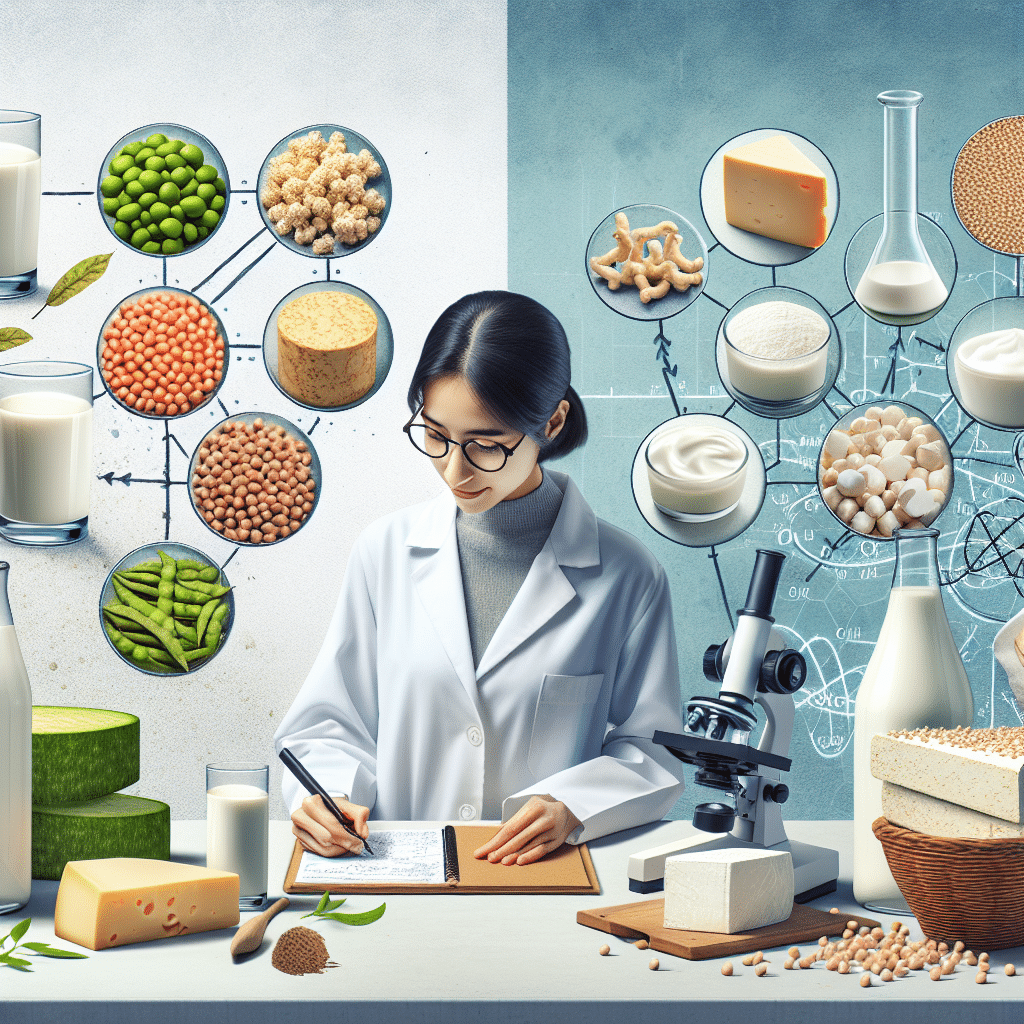
As the global population becomes more health-conscious and environmentally aware, the demand for plant-based alternatives to traditional dairy proteins has surged. This shift has presented unique challenges to food scientists and product developers in the formulation of plant-based products that can match the nutritional profile, taste, and functionality of their dairy counterparts. In this article, we will explore the formulation challenges associated with plant and dairy proteins and the innovative solutions that are being developed to overcome them.
Understanding the Protein Landscape
Proteins are essential macronutrients that play a critical role in building and repairing tissues, producing enzymes and hormones, and supporting immune function. Dairy proteins, such as whey and casein, are considered complete proteins because they contain all nine essential amino acids. Plant proteins, on the other hand, often lack one or more of these amino acids, making them incomplete proteins.
Formulation Challenges with Plant Proteins
When formulating with plant proteins, manufacturers face several challenges:
- Sensory Attributes: Plant proteins can have strong, distinctive flavors and may contribute to an undesirable texture in finished products.
- Nutritional Profile: As mentioned, plant proteins may be deficient in certain essential amino acids, making it necessary to blend different sources to achieve a complete amino acid profile.
- Functional Properties: Dairy proteins are known for their excellent solubility, emulsification, and foaming properties, which can be difficult to replicate with plant proteins.
- Stability: Plant-based formulations can be less stable over time, leading to issues with shelf life and product consistency.
Formulation Challenges with Dairy Proteins
Dairy proteins also present their own set of challenges:
- Allergenicity: Dairy proteins can cause allergic reactions in some individuals, limiting their use in hypoallergenic products.
- Lactose Intolerance: A significant portion of the global population is lactose intolerant, which can restrict the consumption of dairy-based products.
- Sustainability Concerns: Dairy farming has a larger environmental footprint compared to plant-based agriculture, which can influence consumer purchasing decisions.
Solutions for Plant Protein Formulation
To address the challenges associated with plant proteins, the industry has developed several innovative solutions:
- Flavor Masking: The use of flavor masking agents can help neutralize the off-notes associated with plant proteins.
- Protein Blending: Combining different plant protein sources can create a complete amino acid profile and improve the overall nutritional value.
- Technological Advances: New processing techniques, such as extrusion and fermentation, can enhance the functional properties of plant proteins.
- Stabilization Techniques: Formulators are using hydrocolloids, emulsifiers, and pH adjustments to improve the stability and shelf life of plant-based products.
Solutions for Dairy Protein Formulation
Despite the challenges, there are also solutions for formulating with dairy proteins:
- Lactose-Free Options: Enzymatic treatment of dairy products can remove lactose, making them suitable for lactose-intolerant consumers.
- Hypoallergenic Formulations: Advanced filtration and processing can reduce allergenic proteins in dairy, creating hypoallergenic options.
- Sustainable Practices: The dairy industry is adopting more sustainable farming practices to reduce its environmental impact.
Case Studies and Statistics
Several case studies highlight the successful formulation of plant-based products. For example, pea protein has gained popularity as a dairy alternative due to its improved solubility and neutral taste profile. Statistics show that the plant-based protein market is expected to grow significantly, with a projected CAGR of 7.2% from 2020 to 2027.
Conclusion: Key Takeaways
In conclusion, while there are distinct challenges in formulating with plant and dairy proteins, innovative solutions are being developed to address these issues. The key takeaways include the importance of flavor masking, protein blending, technological advancements, and stabilization techniques in creating successful plant-based products. For dairy proteins, lactose-free options, hypoallergenic formulations, and sustainable practices are essential for meeting consumer demands. As the industry continues to evolve, we can expect to see more advancements that bridge the gap between plant and dairy proteins.
ETChem’s Protein Products: Your Ideal Solution
If you’re looking for high-quality protein ingredients for your formulations, ETChem’s protein products are an excellent choice. Their extensive range of collagens, including marine, fish, bovine, and chicken collagens, provide diverse options for both plant-based and dairy alternatives. With a focus on neutral taste and instant solubility, ETChem’s proteins are ideal for a variety of applications in the food and beverage industry. Contact ETChem for tailor-made protein solutions that meet your specific needs.
About ETChem:
ETChem, a reputable Chinese Collagen factory manufacturer and supplier, is renowned for producing, stocking, exporting, and delivering the highest quality collagens. They include marine collagen, fish collagen, bovine collagen, chicken collagen, type I collagen, type II collagen and type III collagen etc. Their offerings, characterized by a neutral taste, instant solubility attributes, cater to a diverse range of industries. They serve nutraceutical, pharmaceutical, cosmeceutical, veterinary, as well as food and beverage finished product distributors, traders, and manufacturers across Europe, USA, Canada, Australia, Thailand, Japan, Korea, Brazil, and Chile, among others.
ETChem specialization includes exporting and delivering tailor-made collagen powder and finished collagen nutritional supplements. Their extensive product range covers sectors like Food and Beverage, Sports Nutrition, Weight Management, Dietary Supplements, Health and Wellness Products, ensuring comprehensive solutions to meet all your protein needs.
As a trusted company by leading global food and beverage brands and Fortune 500 companies, ETChem reinforces China’s reputation in the global arena. For more information or to sample their products, please contact them and email karen(at)et-chem.com today.