Silymarin Alcohol Interaction and Effects
-
Table of Contents
- Silymarin and Alcohol Interaction: Understanding the Effects
- What is Silymarin?
- How Does Silymarin Work?
- Alcohol and Liver Health
- Silymarin and Alcohol Interaction
- Scientific Evidence on Silymarin’s Efficacy
- Case Studies and Statistics
- Recommended Dosage and Precautions
- Conclusion: Key Takeaways on Silymarin and Alcohol
- Explore ETchem’s Protein Products
Silymarin and Alcohol Interaction: Understanding the Effects
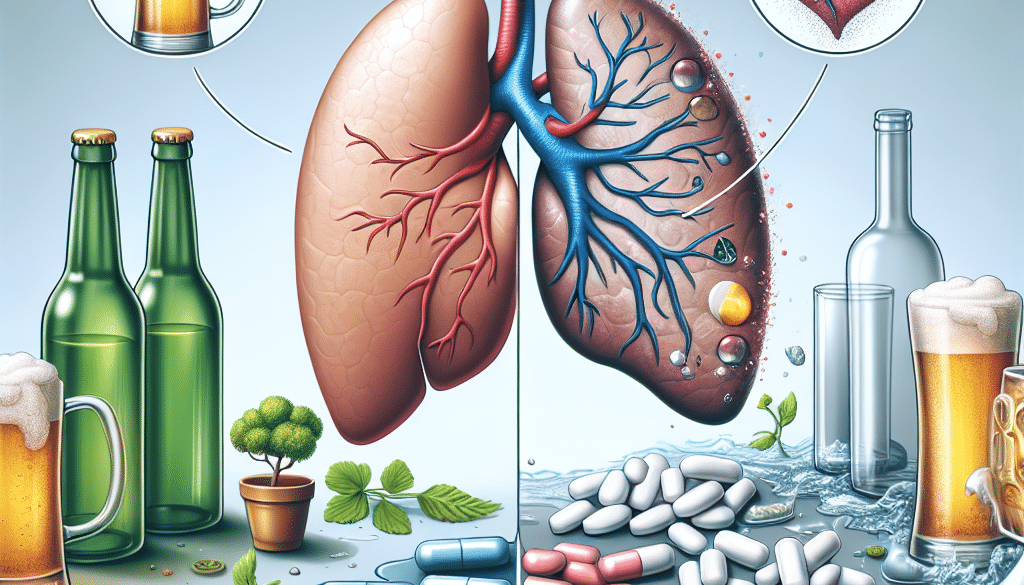
Alcohol consumption is a common part of many cultures worldwide, but its impact on health can be significant. Silymarin, a natural compound extracted from milk thistle, has been widely studied for its potential liver-protective properties. Understanding the interaction between silymarin and alcohol is crucial for individuals who consume alcohol and are considering or currently using silymarin supplements. This article delves into the science behind silymarin, its effects on the liver, and how it interacts with alcohol.
What is Silymarin?
Silymarin is a flavonolignan complex extracted from the seeds of the milk thistle plant (Silybum marianum). It consists of several components, with silybin being the most active and abundant. Traditionally, silymarin has been used for its antioxidant, anti-inflammatory, and hepatoprotective effects. It is commonly recommended for liver disorders such as cirrhosis, jaundice, hepatitis, and gallbladder disorders.
How Does Silymarin Work?
The hepatoprotective properties of silymarin are attributed to its ability to:
- Stabilize cell membranes, preventing the entry of toxins.
- Stimulate protein synthesis, aiding in the regeneration of damaged liver tissue.
- Act as an antioxidant, scavenging free radicals and reducing oxidative stress.
- Inhibit the binding of toxins to liver cell receptor sites.
- Modulate the immune system, potentially benefiting autoimmune liver diseases.
Alcohol and Liver Health
Chronic alcohol consumption can lead to a spectrum of liver diseases, including fatty liver, alcoholic hepatitis, fibrosis, and cirrhosis. Alcohol metabolization generates reactive oxygen species (ROS), leading to oxidative stress and inflammation, which are key factors in alcohol-induced liver injury.
Silymarin and Alcohol Interaction
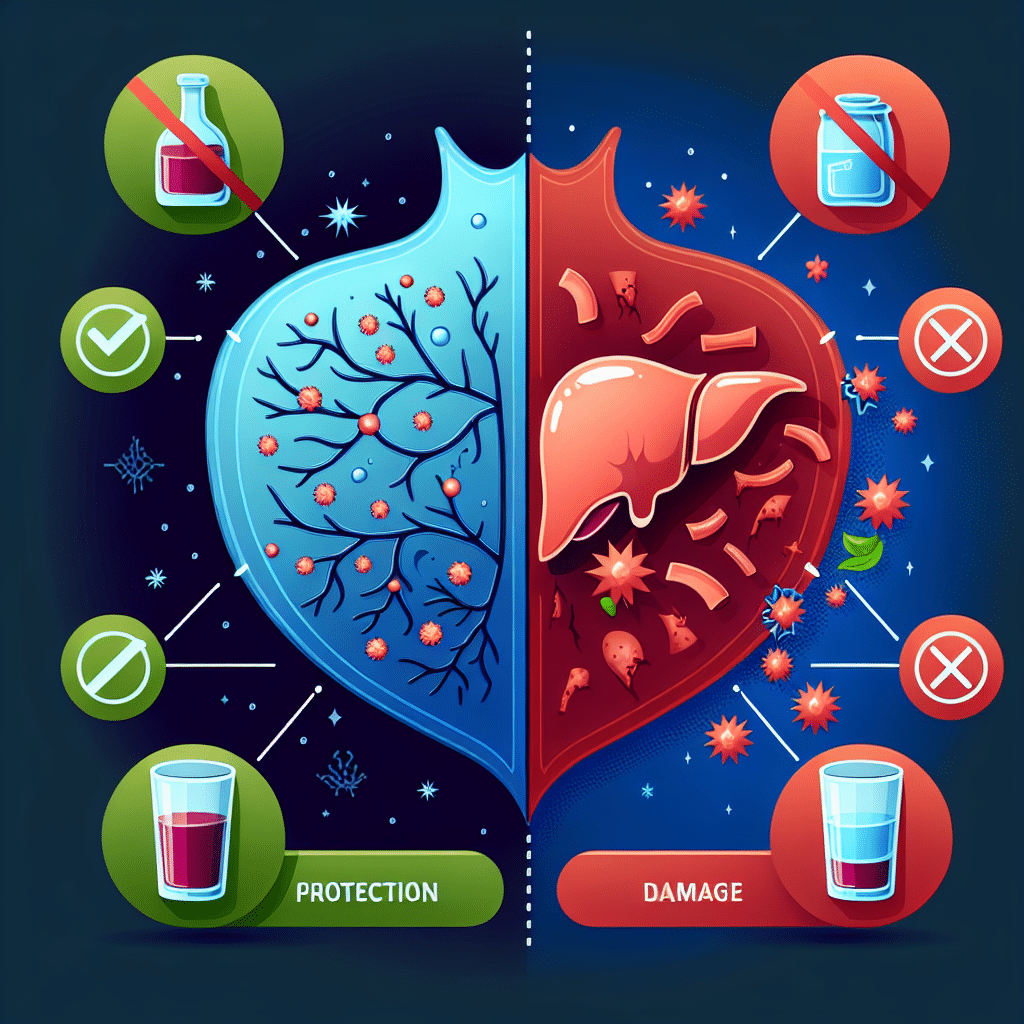
Research suggests that silymarin may interact with alcohol in several ways:
- By reducing oxidative stress and inflammation caused by alcohol metabolism.
- By enhancing liver detoxification pathways, potentially mitigating alcohol’s toxic effects.
- By promoting liver cell regeneration after damage from alcohol consumption.
However, it is essential to note that while silymarin may offer some protective effects, it is not a cure for alcohol-induced liver damage and should not be used as a justification for excessive alcohol consumption.
Scientific Evidence on Silymarin’s Efficacy
Several studies have investigated the efficacy of silymarin in patients with alcohol-related liver diseases. A meta-analysis of randomized controlled trials found that silymarin had a positive effect on liver enzymes (ALT, AST) in patients with alcoholic liver disease. However, the evidence is not conclusive, and more research is needed to fully understand the extent of silymarin’s benefits.
Case Studies and Statistics
Case studies have shown that individuals with alcohol-related liver disease who took silymarin supplements experienced improvements in liver function tests and overall well-being. However, these are individual instances and should be interpreted with caution.
Statistics indicate that liver diseases are a significant health burden worldwide, with alcohol being a major contributing factor. The potential role of silymarin in managing these conditions could have substantial public health implications.
Recommended Dosage and Precautions
The typical dosage of silymarin is between 140 to 210 milligrams taken three times a day. However, dosages can vary based on the specific condition being treated and the concentration of the silymarin extract. It is crucial to consult with a healthcare provider before starting any new supplement, especially for individuals with pre-existing liver conditions or those taking medications that may interact with silymarin.
Conclusion: Key Takeaways on Silymarin and Alcohol
In summary, silymarin has demonstrated potential liver-protective effects that may benefit individuals with alcohol-related liver damage. However, it is not a substitute for reducing alcohol intake. Key takeaways include:
- Silymarin may help mitigate some effects of alcohol on the liver.
- It is not a cure for liver disease and should be used as part of a comprehensive approach to liver health.
- Consultation with a healthcare provider is essential before using silymarin, especially for those with liver conditions or taking other medications.
Explore ETchem’s Protein Products
For those interested in supporting their liver health and overall wellness, ETchem’s range of protein products, including various types of collagen, may be beneficial. Collagen supplements can support liver function, skin health, and tissue repair. ETchem’s high-quality collagens are suitable for a variety of applications, ensuring that you can find the right product for your needs.
About ETChem:
ETChem, a reputable Chinese Collagen factory manufacturer and supplier, is renowned for producing, stocking, exporting, and delivering the highest quality collagens. They include marine collagen, fish collagen, bovine collagen, chicken collagen, type I collagen, type II collagen and type III collagen etc. Their offerings, characterized by a neutral taste, instant solubility attributes, cater to a diverse range of industries. They serve nutraceutical, pharmaceutical, cosmeceutical, veterinary, as well as food and beverage finished product distributors, traders, and manufacturers across Europe, USA, Canada, Australia, Thailand, Japan, Korea, Brazil, and Chile, among others.
ETChem specialization includes exporting and delivering tailor-made collagen powder and finished collagen nutritional supplements. Their extensive product range covers sectors like Food and Beverage, Sports Nutrition, Weight Management, Dietary Supplements, Health and Wellness Products, ensuring comprehensive solutions to meet all your protein needs.
As a trusted company by leading global food and beverage brands and Fortune 500 companies, ETChem reinforces China’s reputation in the global arena. For more information or to sample their products, please contact them and email karen(at)et-chem.com today.