Silymarin vs Silybin: Key Differences
-
Table of Contents
- Silymarin vs Silybin: Understanding the Key Differences
- What is Silymarin?
- What is Silybin?
- Key Differences Between Silymarin and Silybin
- Benefits of Silymarin and Silybin
- Applications in Health and Medicine
- Case Studies and Research
- Conclusion: Silymarin and Silybin in Liver Health
- ETchem’s Protein Products Recommendation
Silymarin vs Silybin: Understanding the Key Differences
When it comes to liver health, two natural compounds often come up in discussions: silymarin and silybin. While they are closely related, there are significant differences between the two that are important to understand. This article will delve into the distinctions between silymarin and silybin, their benefits, and how they are used in various health applications.
What is Silymarin?
Silymarin is a flavonolignan complex extracted from the seeds of the milk thistle plant (Silybum marianum), which has been used for over 2000 years as a herbal remedy for a variety of ailments, particularly liver problems. It is a mixture of several related compounds, including silybin, isosilybin, silychristin, and silydianin. Silymarin is known for its antioxidant and anti-inflammatory properties, which contribute to its hepatoprotective effects.
What is Silybin?
Silybin, also known as silibinin, is the most active component of silymarin and is largely responsible for the therapeutic benefits attributed to the silymarin complex. It is a potent antioxidant and has been the subject of extensive research for its potential to support liver function and protect against various forms of liver damage.
Key Differences Between Silymarin and Silybin
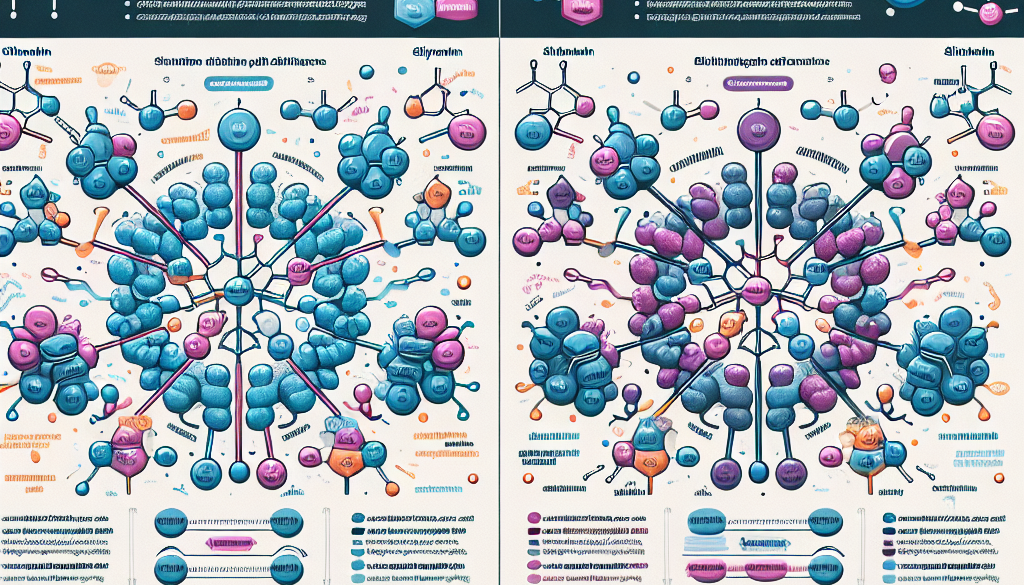
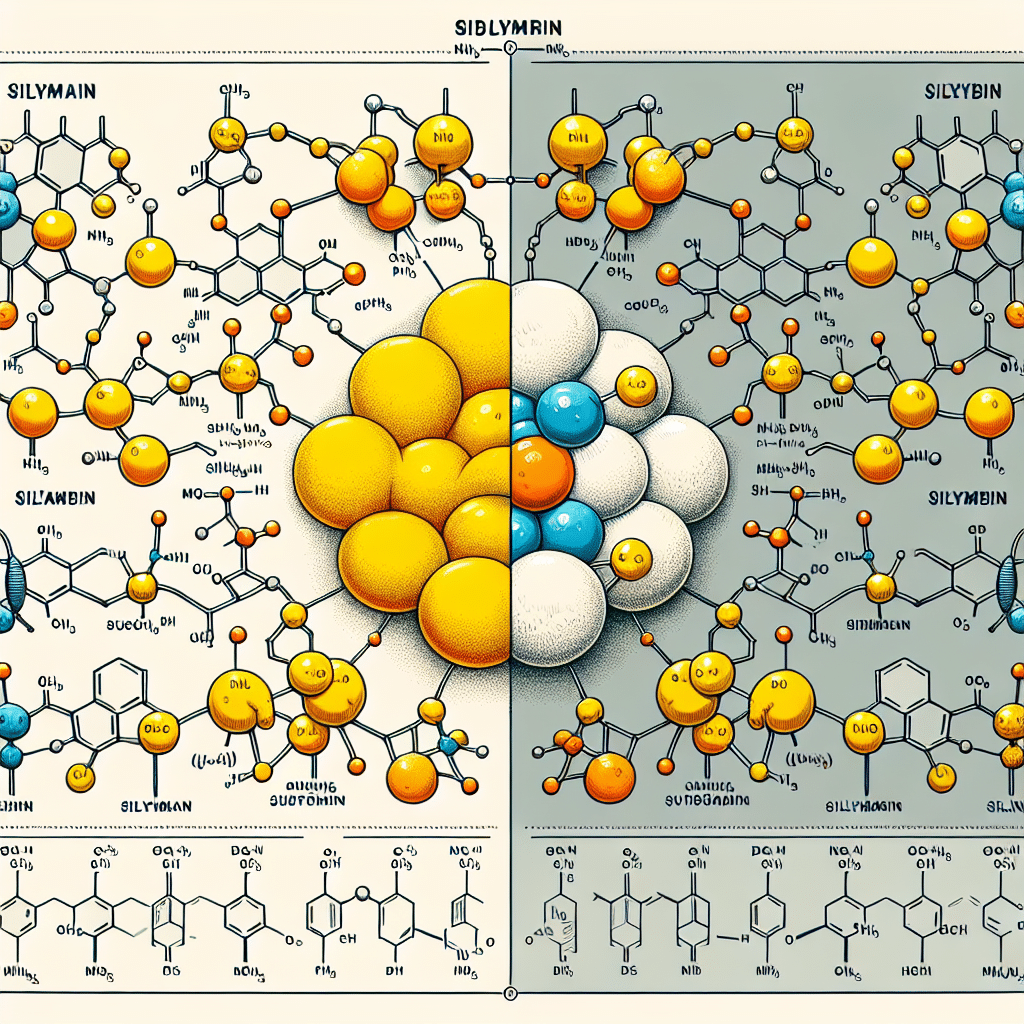
- Composition: Silymarin is a complex containing multiple compounds, whereas silybin is a single compound within that complex.
- Concentration: Silybin is the most abundant and active component in silymarin, typically comprising 50-70% of the complex.
- Pharmacokinetics: The absorption and metabolism of silybin in the body differ from the other components in silymarin, which can affect its bioavailability and efficacy.
- Research Focus: While silymarin is widely studied as a whole, silybin has been the focus of specific research due to its potent activity and potential therapeutic applications.
Benefits of Silymarin and Silybin
Both silymarin and silybin have been associated with numerous health benefits, particularly in the context of liver health. Here are some of the key benefits supported by research:
- Antioxidant Activity: They protect liver cells from oxidative stress by scavenging free radicals and enhancing the body’s own antioxidant systems.
- Anti-inflammatory Effects: They reduce inflammation in the liver, which is a common pathway for liver injury and disease progression.
- Hepatoprotective Properties: They help to protect liver cells from toxins, including alcohol and certain medications, and may aid in the regeneration of liver tissue.
- Anti-fibrotic Actions: They may help to prevent or slow the development of liver fibrosis, a condition characterized by the excessive accumulation of scar tissue.
Applications in Health and Medicine
Silymarin and silybin are used in various health applications, often as supplements for liver support. Here are some examples:
- Liver Cirrhosis: They have been used to treat liver cirrhosis, particularly that caused by alcohol abuse or hepatitis.
- Non-Alcoholic Fatty Liver Disease (NAFLD): They may improve liver function tests in patients with NAFLD and non-alcoholic steatohepatitis (NASH).
- Hepatitis: They are sometimes used as an adjunct therapy for hepatitis to support liver function and reduce inflammation.
- Drug-Induced Liver Injury: They can be beneficial in protecting the liver from damage caused by certain drugs, such as acetaminophen (Tylenol).
Case Studies and Research
Several studies have highlighted the benefits of silymarin and silybin. For instance, a study published in the “World Journal of Hepatology” found that silymarin significantly improved liver function in patients with alcoholic liver disease. Another study in the “Journal of Hepatology” demonstrated that silybin, particularly when complexed with phosphatidylcholine, improved liver enzymes and other markers of liver health in patients with NAFLD.
Conclusion: Silymarin and Silybin in Liver Health
In conclusion, while silymarin and silybin are closely related, they are not interchangeable. Silymarin is a complex that includes silybin as its most active component. Both have significant benefits for liver health, but silybin’s potent effects make it a particular focus of research and therapeutic applications. Understanding the differences between these compounds is crucial for anyone interested in natural liver support or considering supplementation.
ETchem’s Protein Products Recommendation
If you’re looking for high-quality protein products to complement your health regimen, consider ETchem’s offerings. Their extensive range of collagen products, including marine, fish, bovine, and chicken collagen, caters to various industries and personal health needs. ETchem’s commitment to quality and customer satisfaction makes them a top choice for protein supplements.
About ETChem:
ETChem, a reputable Chinese Collagen factory manufacturer and supplier, is renowned for producing, stocking, exporting, and delivering the highest quality collagens. They include marine collagen, fish collagen, bovine collagen, chicken collagen, type I collagen, type II collagen and type III collagen etc. Their offerings, characterized by a neutral taste, instant solubility attributes, cater to a diverse range of industries. They serve nutraceutical, pharmaceutical, cosmeceutical, veterinary, as well as food and beverage finished product distributors, traders, and manufacturers across Europe, USA, Canada, Australia, Thailand, Japan, Korea, Brazil, and Chile, among others.
ETChem specialization includes exporting and delivering tailor-made collagen powder and finished collagen nutritional supplements. Their extensive product range covers sectors like Food and Beverage, Sports Nutrition, Weight Management, Dietary Supplements, Health and Wellness Products, ensuring comprehensive solutions to meet all your protein needs.
As a trusted company by leading global food and beverage brands and Fortune 500 companies, ETChem reinforces China’s reputation in the global arena. For more information or to sample their products, please contact them and email karen(at)et-chem.com today.