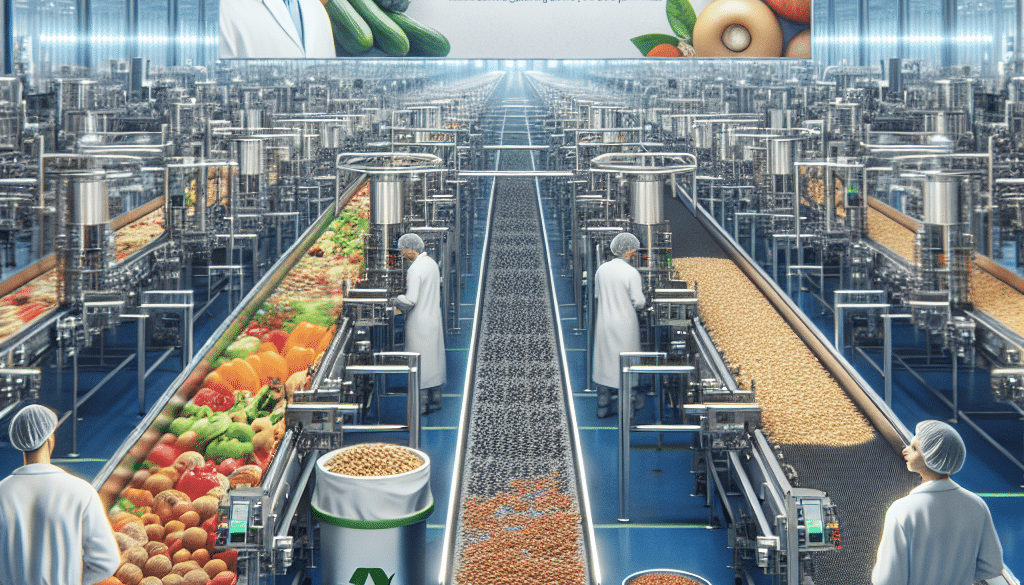
Sustainability in Manufacturing: Improving and Reducing Food Waste
-
Table of Contents
- Sustainability in Manufacturing: Strategies to Reduce Food Waste
- Understanding the Impact of Food Waste
- Preventive Measures in Food Manufacturing
- Innovative Approaches to Reducing Waste
- Case Studies: Success Stories in Food Waste Reduction
- Regulatory Framework and Industry Standards
- Challenges and Considerations
- Conclusion: Key Takeaways for a Sustainable Future
- ETChem’s Protein Products: A Sustainable Choice
Sustainability in Manufacturing: Strategies to Reduce Food Waste
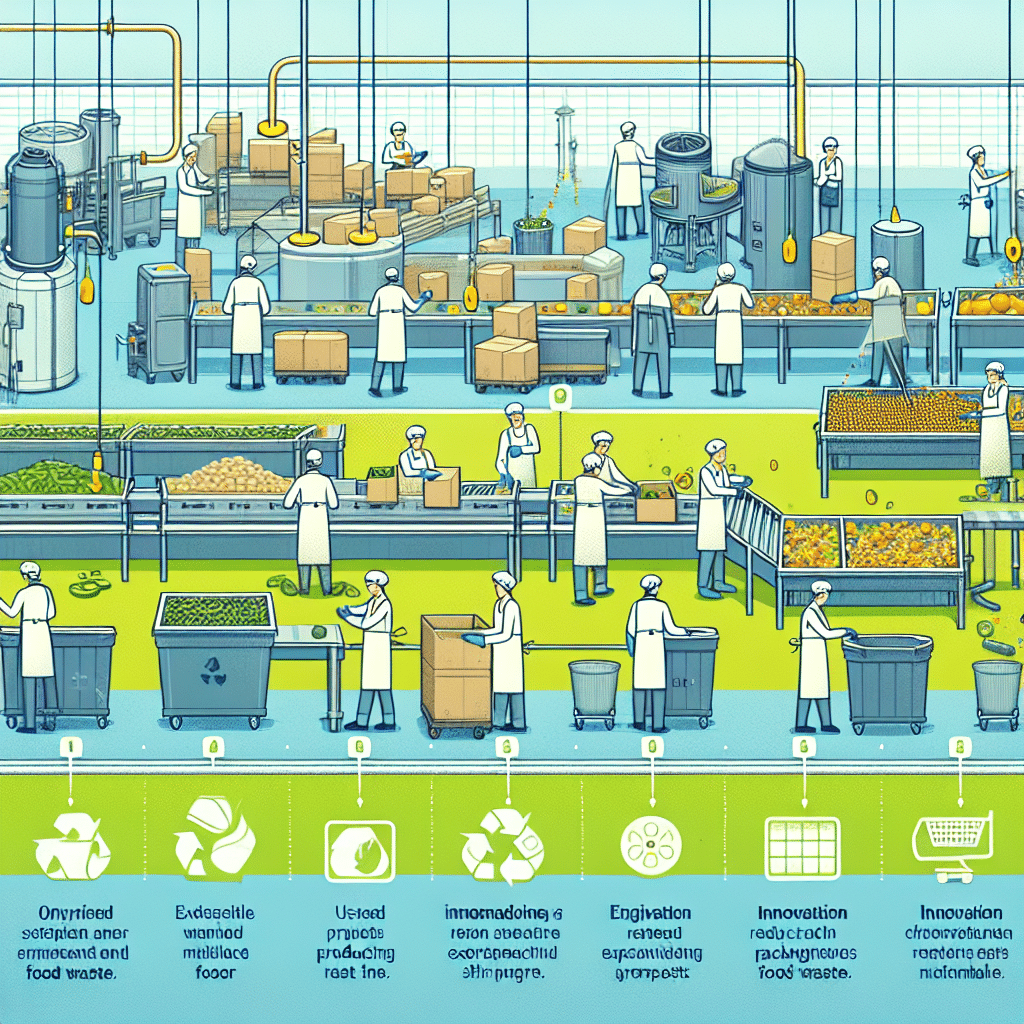
Food waste is a global issue with significant environmental, economic, and social implications. The manufacturing sector, as a key player in the food supply chain, has a critical role in addressing this challenge. By adopting sustainable practices, manufacturers can not only reduce waste but also improve efficiency and create a positive impact on the planet. This article explores the various strategies and innovations that are helping to reduce food waste in the manufacturing industry.
Understanding the Impact of Food Waste
Before delving into solutions, it’s important to understand the scope of the problem. Food waste contributes to approximately 8% of global greenhouse gas emissions. When food is discarded, it ends up in landfills where it decomposes anaerobically, releasing methane, a potent greenhouse gas. Moreover, wasting food means squandering the water, energy, and labor that went into producing it.
Preventive Measures in Food Manufacturing
Prevention is the most effective way to tackle food waste. Manufacturers are implementing several strategies to prevent waste from occurring in the first place:
- Efficient Inventory Management: By using advanced forecasting and inventory tracking systems, manufacturers can reduce overproduction and spoilage.
- Process Optimization: Streamlining operations and improving equipment efficiency can minimize production errors that lead to waste.
- Employee Training: Educating staff on sustainable practices ensures that everyone is working towards the same waste reduction goals.
Innovative Approaches to Reducing Waste
Innovation is key to sustainability in manufacturing. Here are some cutting-edge approaches that are making a difference:
- Upcycling Byproducts: Many manufacturers are finding creative ways to use byproducts. For example, spent grains from brewing can be turned into animal feed or baked goods.
- Advanced Packaging Solutions: Smart packaging that extends shelf life or indicates freshness can prevent food from being thrown away prematurely.
- Energy Recovery: Some facilities are converting organic waste into energy through anaerobic digestion or other technologies.
Case Studies: Success Stories in Food Waste Reduction
Several companies have made headlines with their successful waste reduction initiatives:
- Unilever: By implementing a zero-waste-to-landfill policy across its global factory network, Unilever has significantly reduced its environmental footprint.
- Tesco: The UK supermarket chain has partnered with suppliers to cut down on waste by selling “imperfect” produce at a discount.
- Kraft Heinz: This food giant has invested in technology to more accurately predict demand, thus reducing overproduction.
Regulatory Framework and Industry Standards
Governments and industry bodies are also playing a role by setting standards and regulations to encourage waste reduction:
- EU Circular Economy Package: This set of laws and actions aims to make the EU economy more sustainable by encouraging recycling and reducing landfill use.
- US Food Waste Reduction Alliance: This initiative brings together businesses, nonprofit organizations, and government to share best practices and collaborate on solutions.
Challenges and Considerations
While the path to reducing food waste is clear, there are challenges that manufacturers must navigate:
- Economic Constraints: Implementing new technologies and processes can be costly, and not all companies have the resources to invest.
- Supply Chain Complexity: Coordinating waste reduction efforts across a complex supply chain can be difficult.
- Consumer Behavior: Manufacturers can only do so much; ultimately, consumers also need to change their habits to make a significant impact.
Conclusion: Key Takeaways for a Sustainable Future
In conclusion, sustainability in manufacturing, particularly in reducing food waste, is a multifaceted challenge that requires a comprehensive approach. By adopting preventive measures, embracing innovation, learning from successful case studies, adhering to regulatory frameworks, and overcoming challenges, the manufacturing sector can make significant strides towards a more sustainable future. The key takeaways for manufacturers are to invest in efficient processes, innovate with purpose, collaborate across the supply chain, and engage with consumers and policymakers to drive change.
ETChem’s Protein Products: A Sustainable Choice
In line with the commitment to sustainability, ETChem offers a range of protein products that align with the goals of reducing waste and improving manufacturing practices. Their high-quality collagen products, sourced responsibly and produced with an eye on environmental impact, provide manufacturers with sustainable options for their food and beverage offerings. By choosing ETChem’s protein products, companies can ensure they are contributing to a more sustainable food system.
About ETChem:
ETChem, a reputable Chinese Collagen factory manufacturer and supplier, is renowned for producing, stocking, exporting, and delivering the highest quality collagens. They include marine collagen, fish collagen, bovine collagen, chicken collagen, type I collagen, type II collagen and type III collagen etc. Their offerings, characterized by a neutral taste, instant solubility attributes, cater to a diverse range of industries. They serve nutraceutical, pharmaceutical, cosmeceutical, veterinary, as well as food and beverage finished product distributors, traders, and manufacturers across Europe, USA, Canada, Australia, Thailand, Japan, Korea, Brazil, and Chile, among others.
ETChem specialization includes exporting and delivering tailor-made collagen powder and finished collagen nutritional supplements. Their extensive product range covers sectors like Food and Beverage, Sports Nutrition, Weight Management, Dietary Supplements, Health and Wellness Products, ensuring comprehensive solutions to meet all your protein needs.
As a trusted company by leading global food and beverage brands and Fortune 500 companies, ETChem reinforces China’s reputation in the global arena. For more information or to sample their products, please contact them and email karen(at)et-chem.com today.