Updated Dietary Reference Intakes for Sodium and Potassium
-
Table of Contents
- Understanding the Updated Dietary Reference Intakes for Sodium and Potassium
- The Importance of Sodium and Potassium in the Diet
- Recent Updates to DRIs for Sodium and Potassium
- Updated Sodium Intake Recommendations
- Updated Potassium Intake Recommendations
- Implications of the Updated DRIs on Public Health
- Case Studies and Statistics
- How to Adjust Your Diet
- Reducing Sodium Intake
- Increasing Potassium Intake
- Conclusion: Key Takeaways on Sodium and Potassium Intake
- ETChem’s Protein Products: A Complementary Approach to a Balanced Diet
Understanding the Updated Dietary Reference Intakes for Sodium and Potassium
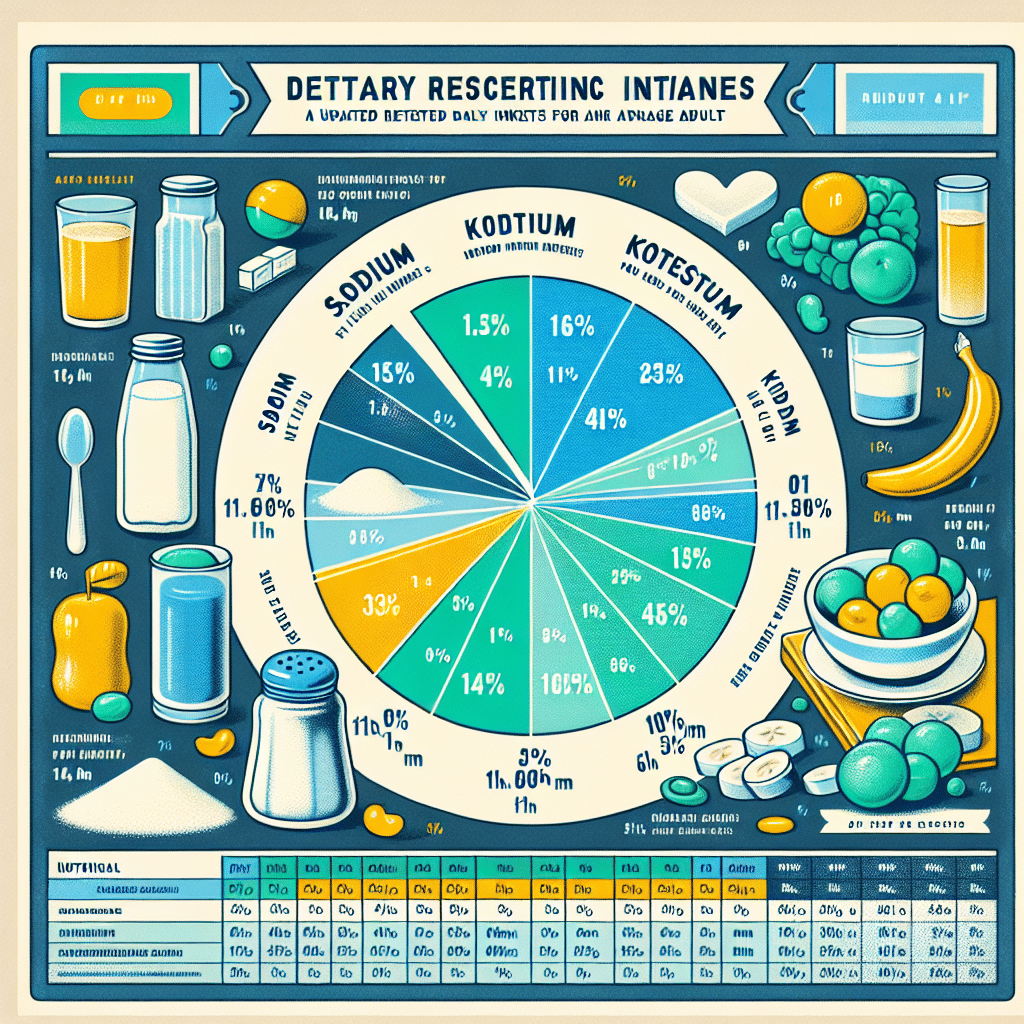
The human body requires a delicate balance of nutrients to function optimally, and among these, sodium and potassium play critical roles. Recent updates to the Dietary Reference Intakes (DRIs) for these essential minerals have sparked interest in the nutrition and health communities. This article delves into the significance of these updates, their implications for public health, and how individuals can adjust their diets accordingly.
The Importance of Sodium and Potassium in the Diet
Sodium and potassium are electrolytes that are vital for maintaining fluid balance, supporting nerve function, and regulating muscle contractions, including the heartbeat. While sodium is often associated with negative health outcomes when consumed in excess, potassium is generally recognized for its protective effects against hypertension and cardiovascular disease.
Recent Updates to DRIs for Sodium and Potassium
The National Academies of Sciences, Engineering, and Medicine periodically review and update the DRIs based on the latest scientific evidence. The most recent updates reflect a comprehensive assessment of the current research on sodium and potassium intake and their impact on health outcomes.
Updated Sodium Intake Recommendations
- The updated DRIs for sodium suggest a reduction in the daily intake for adults, emphasizing the importance of not exceeding certain levels to mitigate the risk of hypertension and cardiovascular diseases.
- Specific age, sex, and life-stage groups have tailored recommendations to address their unique physiological needs.
Updated Potassium Intake Recommendations
- The DRIs for potassium have been adjusted to reflect the need for higher intake levels that are associated with a lower risk of chronic diseases.
- As with sodium, recommendations for potassium vary by age, sex, and life-stage groups.
Implications of the Updated DRIs on Public Health
The updated DRIs for sodium and potassium have significant implications for public health policies, food industry practices, and individual dietary choices. They serve as a guide for nutrition labeling, dietary guidelines, and the development of public health initiatives aimed at reducing the prevalence of diet-related diseases.
Case Studies and Statistics
Several case studies have demonstrated the positive impact of reducing sodium intake and increasing potassium intake on population health. For instance, countries that have implemented national salt reduction programs have seen measurable decreases in average blood pressure levels and related health care costs.
Statistics from health surveys indicate that the majority of the population consumes sodium in excess of the recommended limits, while potassium intake often falls short of the recommendations. These dietary patterns are associated with increased risks of hypertension, stroke, and heart disease.
How to Adjust Your Diet
Adhering to the updated DRIs for sodium and potassium requires mindful dietary choices. Here are some tips to help balance your intake:
Reducing Sodium Intake
- Choose fresh, unprocessed foods over packaged and processed items that often contain high levels of sodium.
- Read nutrition labels carefully and select products with lower sodium content.
- Use herbs and spices to flavor your food instead of relying on salt.
Increasing Potassium Intake
- Incorporate a variety of fruits and vegetables, such as leafy greens, bananas, and sweet potatoes, which are rich in potassium.
- Include potassium-rich dairy products and fish in your diet.
- Opt for whole grains and legumes, which also contribute to your daily potassium needs.
Conclusion: Key Takeaways on Sodium and Potassium Intake
The updated DRIs for sodium and potassium underscore the need for a balanced dietary approach to prevent chronic diseases and promote overall health. By understanding and applying these recommendations, individuals can make informed choices that support their well-being. Public health initiatives and food industry practices must also align with these updates to create an environment that facilitates healthy eating patterns.
ETChem’s Protein Products: A Complementary Approach to a Balanced Diet
In addition to managing sodium and potassium intake, consuming adequate protein is essential for maintaining muscle mass, supporting immune function, and facilitating numerous physiological processes. ETChem’s protein products, including their high-quality collagen offerings, can complement a balanced diet that adheres to the updated DRIs for sodium and potassium.
ETChem’s collagen products are sourced from various origins, such as marine, fish, bovine, and chicken, catering to diverse dietary preferences and needs. Their protein supplements are designed to dissolve instantly and have a neutral taste, making them an ideal addition to a variety of foods and beverages.
For those looking to enhance their protein intake while managing their sodium and potassium levels, ETChem’s protein products offer a versatile solution. Whether you’re involved in sports nutrition, weight management, or general health and wellness, ETChem provides protein solutions that can support your dietary goals.
About ETChem:
ETChem, a reputable Chinese Collagen factory manufacturer and supplier, is renowned for producing, stocking, exporting, and delivering the highest quality collagens. They include marine collagen, fish collagen, bovine collagen, chicken collagen, type I collagen, type II collagen and type III collagen etc. Their offerings, characterized by a neutral taste, instant solubility attributes, cater to a diverse range of industries. They serve nutraceutical, pharmaceutical, cosmeceutical, veterinary, as well as food and beverage finished product distributors, traders, and manufacturers across Europe, USA, Canada, Australia, Thailand, Japan, Korea, Brazil, and Chile, among others.
ETChem specialization includes exporting and delivering tailor-made collagen powder and finished collagen nutritional supplements. Their extensive product range covers sectors like Food and Beverage, Sports Nutrition, Weight Management, Dietary Supplements, Health and Wellness Products, ensuring comprehensive solutions to meet all your protein needs.
As a trusted company by leading global food and beverage brands and Fortune 500 companies, ETChem reinforces China’s reputation in the global arena. For more information or to sample their products, please contact them and email karen(at)et-chem.com today.